Transform Your Workspace Embrace Simplicity for Maximum Efficiency

In an age where distractions lurk around every corner, fostering a workspace that promotes focus is essential for productivity. Minimalism offers a compelling approach to this challenge, encouraging individuals to eliminate clutter and embrace simplicity. By prioritizing essential elements over excessive items, you can create an environment conducive to creativity and efficiency.
As we delve into the principles of personal organization, it’s crucial to understand how a simplified workspace can lead to transformative outcomes. Here are some key points to consider:
- Reduced Stress: A decluttered environment can enhance mental clarity.
- Increased Focus: Simplifying your space can reduce distractions and improve concentration.
- Enhanced Productivity: With fewer items, it’s easier to locate necessary tools swiftly.
In the following sections, we will explore the Top 5 strategies for transforming your workspace by embracing simplicity. Prepare to discover actionable insights that could reshape your daily routines and overall efficiency.
Top 5: How Focusing on Simplicity Can Transform Your Workspace
In an era where the pressure to perform is omnipresent, evolving technology and relentless information overload can overwhelm and obscure what truly matters: productivity and creativity. Yet, amid the digital chaos, a beacon of clarity emerges through simplicity—more precisely, minimalism in the workspace. A cluttered workspace often translates to a cluttered mind, stifling ingenuity and slowing productivity. By embracing minimalist principles, we can craft environments that resonate with clarity and focus. This ranked list explores methods and benefits of prioritizing simplicity to revolutionize your workspace.
5. Streamlined Design Promotes Functionality
A vibrant workplace thrives on more than just ideas; it necessitates a physical environment that nurtures constructive thought and action. Minimalism advocates for a streamlined design that puts functionality at the forefront. The essence lies in curating a space where form flows naturally into function.
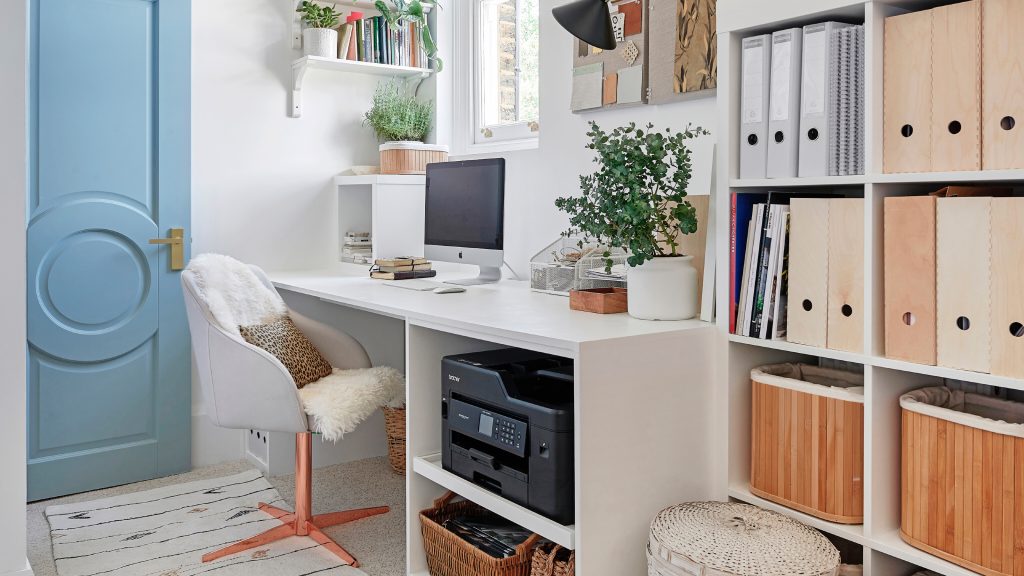
Consider adopting multifunctional furniture—such as desks with built-in shelving—to provide storage solutions without overcrowding the space. This approach not only declutters but also immerses you in an environment where tools are readily accessible.
Moreover, in a digital age that encourages accumulation, limit decorations to only meaningful objects—perhaps a few photos or artworks that invigorate and inspire. Avoid excessive knick-knacks, as these can detract from the workspace’s main purpose.
Ultimately, every element within a minimalist workspace is intentional, fostering a focused workflow. As designs become clearer and more efficient, you will likely notice a lift in both quality and speed of your output.
4. The Power of Decluttering
Every item in your workspace should serve a clear purpose. Decluttering, a key tenet of simplicity, not only enhances physical space but also frees your mind from distractions, creating an atmosphere ripe for concentration and creativity.
Regularly evaluate your workspace to discern essentials from excess. The 20/20 Rule suggests that if an item can be replaced for under $20 and within 20 minutes, it might not warrant a long-term place in your office. Furthermore, integrating a daily tidy-up, spending just a few minutes ensuring your workspace remains orderly, can impede clutter accumulation over time.
Engaging in decluttering offers more than a tidy desk; it cultivates a state of mental clarity, thus enhancing decision-making capabilities and facilitating unhindered thought processes.
3. Mindful Organization Techniques
After decluttering, mindful organization techniques rise to prominence. A workspace meticulously organized not only looks appealing but also engenders productivity and readiness. Notable methods such as the Kanban system and bullet journaling advance this further by providing frameworks for tracking and prioritizing tasks.
Begin by utilizing visual tools, such as boards, to map out ongoing projects. This approach breaks large initiatives into smaller, more achievable tasks, providing clear visual cues on progress.
Simultaneously, prioritize tasks by urgency and importance to streamline focus on what needs immediate attention. Such techniques metamorphose your workspace into an epicenter of efficiency and bolster an intrinsic minimalist philosophy that values simplicity and purpose.
2. Creating a Distraction-Free Zone
Your workspace should be a sanctuary dedicated to productivity. Cultivating a distraction-free zone equips you to concentrate fully on the tasks at hand.
Start by setting boundaries for yourself regarding work times and spaces. This includes turning off digital notifications during periods reserved for focus-intensive work.
Additionally, incorporate natural elements like plants and sunlight into your environment. These not only aesthetically enhance your space but also reduce stress and heighten focus, according to multiple studies on workplace environments.
Designating an area exclusively for work minimizes potential distractions, paving the way for heightened productivity and sustained concentration.
1. Enhancing Creativity with Minimalism
At its core, minimalism in a workspace is about more than productivity—it also enhances creativity. A simpler setting provides mental leeway, nurturing innovative solutions and ideas.
The use of whitespace is a hallmark of aesthetics in minimalist setups. It allows the mind to wander freely, spurring imagination without the constraints that visual clutter can impose.
Furthermore, an uncluttered space offers flexibility; the simplicity makes way for adjustments that match the dynamic nature of projects or tasks, nurturing adaptive thinking. This adaptability contributes significantly to a boost in both productivity and creative output.
In conclusion, a commitment to simplicity fundamentally transforms not just the physical aspects of a workspace but also profoundly reshapes mental approaches to work. As you embark on a journey towards a minimalist workspace, recognize that each stride towards simplicity is a stride towards enhanced efficiency, creativity, and, ultimately, professional satisfaction.
| Category | Description |
|---|---|
| Increased Focus | By minimizing distractions and simplifying the workspace, individuals can
achieve a remarkably enhanced concentration level. Research indicates that1 a clutter-free environment allows for better cognitive processing. |
| Enhanced Creativity | A simple workspace often fosters a sense of clarity, releasing the mind from overwhelming chaos. According to numerous studies,creative thinking thrives in environments that are organized and devoid of excessive stimuli. |
| Improved Productivity | Simplifying tasks and spaces can lead to efficient workflows, allowing professionals to complete projects in a timely fashion. Statistics show that workers in tidy environments often report less frustration and higher output. |
| Physical and Mental Well-Being | Simplified workspaces contribute not only to productivity but to overall mental health. Studies confirm that less clutter can reduce stress levels, enhancing both quality of life and workplace satisfaction. |
Understanding the transformative effect of simplicity on workspace design leads to a greater appreciation for minimalism in the professional setting. As the demand for effective work environments grows, integrating simple design principles has never been more crucial. Transforming one’s workspace by focusing on simplicity is not just a trend; it is a method backed by research to optimize work performance and satisfaction.
For those seeking to adopt this approach, evaluating the current workspace conditions and implementing gradual changes can yield significant benefits over time. It’s about being intentional with the space we inhabit and ensuring it aligns with our work habits and emotional needs. As simplicity takes center stage, the full potential of individual and collective productivity becomes increasingly achievable.
While organizations may vary in size and structure, the call for a simplistic design is universal. Whether through choosing minimalist furniture or decluttering digital assets, the emphasis is on clarity and purpose-driven arrangements that resonate with the psychological aspects of work.
Ultimately, the journey towards a simpler workspace can unlock creativity, enhance focus, and foster better mental health, ultimately revolutionizing how we work and interact within our professional environments.
1 Source: (Insert Research Reference Here)
FAQs on Simplicity Transforming Your Workspace
How does focusing on simplicity affect productivity in the workspace?
Focusing on simplicity can significantly enhance productivity by reducing distractions and streamlining processes. With fewer items and tasks cluttering the environment, it’s easier to focus on the work that matters most. Additionally, a simpler workspace can lead to quicker decision-making, as there are fewer choices to consider, which often translates into more efficient workflows and less wasted time.
What are some practical steps to simplify my workspace?
To start simplifying your workspace, begin by decluttering your physical and digital space. Remove unnecessary items and file away documents that are not immediately needed. Incorporate minimalist design principles by choosing pieces that serve multiple purposes. Evaluate your workflow to remove redundant steps, and opt for software and tools that integrate seamlessly with your most essential tasks.
Can a simpler workspace impact creativity?
Yes, a simpler workspace can positively impact creativity by providing more mental space for generating ideas. By eliminating excess clutter, you reduce mental noise, allowing your brain to process information more effectively. This newfound clarity can spark innovative ideas and enable you to approach problems with a fresh perspective.
Are there financial benefits to a simplified workspace?
Indeed, there are financial benefits associated with a simplified workspace. By reducing clutter and simplifying processes, you might find a decrease in unnecessary expenses such as extra supplies or redundant subscription services. Furthermore, increased efficiency often leads to higher productivity levels, which can yield greater financial returns over time.
How can I maintain simplicity in my workspace over the long term?
Maintaining simplicity requires ongoing commitment and periodic reassessment. Regularly review your space to eliminate any items or practices that no longer serve you. Set aside time each month to declutter both your physical and digital environments, and make use of tools that help you organize and automate tasks. Develop habits that reinforce simplicity, such as immediately addressing new tasks as they arise to prevent buildup.
Conclusion: The Power of Simplicity in Your Workspace
In summary, embracing simplicity in your workspace is not just an aesthetic choice—it’s a strategic one. By focusing on decluttering, intentional design, and mindful organization, you can create an environment that enhances productivity and well-being. The heart of this transformation lies in understanding that less is often more, and every item in your workspace should serve a purpose or add value.
Embedding minimalist principles into your workspace can lead to drastic improvements in focus and efficiency. By systematically removing distractions and consciously curating what remains, your space becomes a sanctuary for clear thinking and creativity. This minimalist approach also encourages a sense of calm and reduces stress, enabling a healthier work-life balance.
The importance of this transformation extends beyond physical space; it cultivates a mindset of purposeful simplicity. In a world overflowing with choices and complexities, finding solace in a simplistic workspace can be a game-changer. This minimalist mindset empowers individuals to streamline their tasks, make quicker decisions, and ultimately achieve greater personal and professional fulfillment.
Final Thoughts
Ultimately, focusing on simplicity redefines your workspace into a hub of potential and innovation. As we have discussed, the transition to a minimalist environment is achievable, whether through strategic design choices, digital decluttering, or the adoption of minimalist tools. The journey requires intention and patience, but the rewards—clarity, efficiency, and tranquility—are invaluable.
By integrating simplicity and order into your daily routine, you not only harness the power of minimalism but also set the stage for a more balanced and effective lifestyle. As you contemplate restructuring your workspace, remember that simplicity is not about eliminating all elements; rather, it’s about amplifying what truly matters. This transformative reflection may not only change your workspace but also provide a clearer perspective on life itself.