Maximize Minimalist Design The Power of Negative Space for Functional Spaces
The Transformative Power of Negative Space
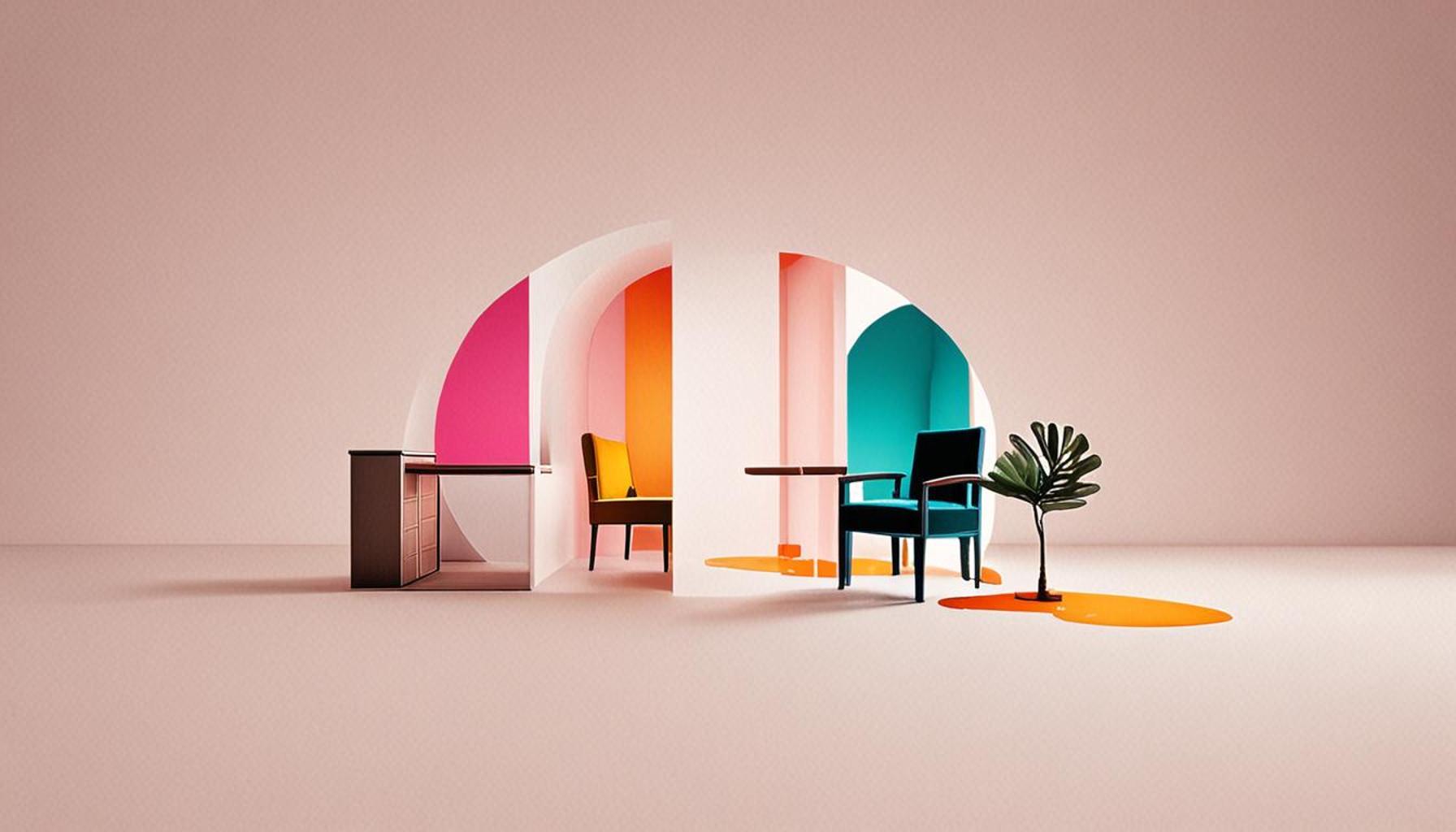
Embracing the concept of negative space in design can dramatically transform the way we perceive and interact with our environments. Often seen in the art world, negative space— the area surrounding the main subject of a piece— is an integral component in the design philosophy known as minimalism. Here, negative space is much more than an aesthetic choice; it becomes a powerful tool to create organized and functional environments by focusing attention on what truly matters.
Enhancing Clarity and Focus
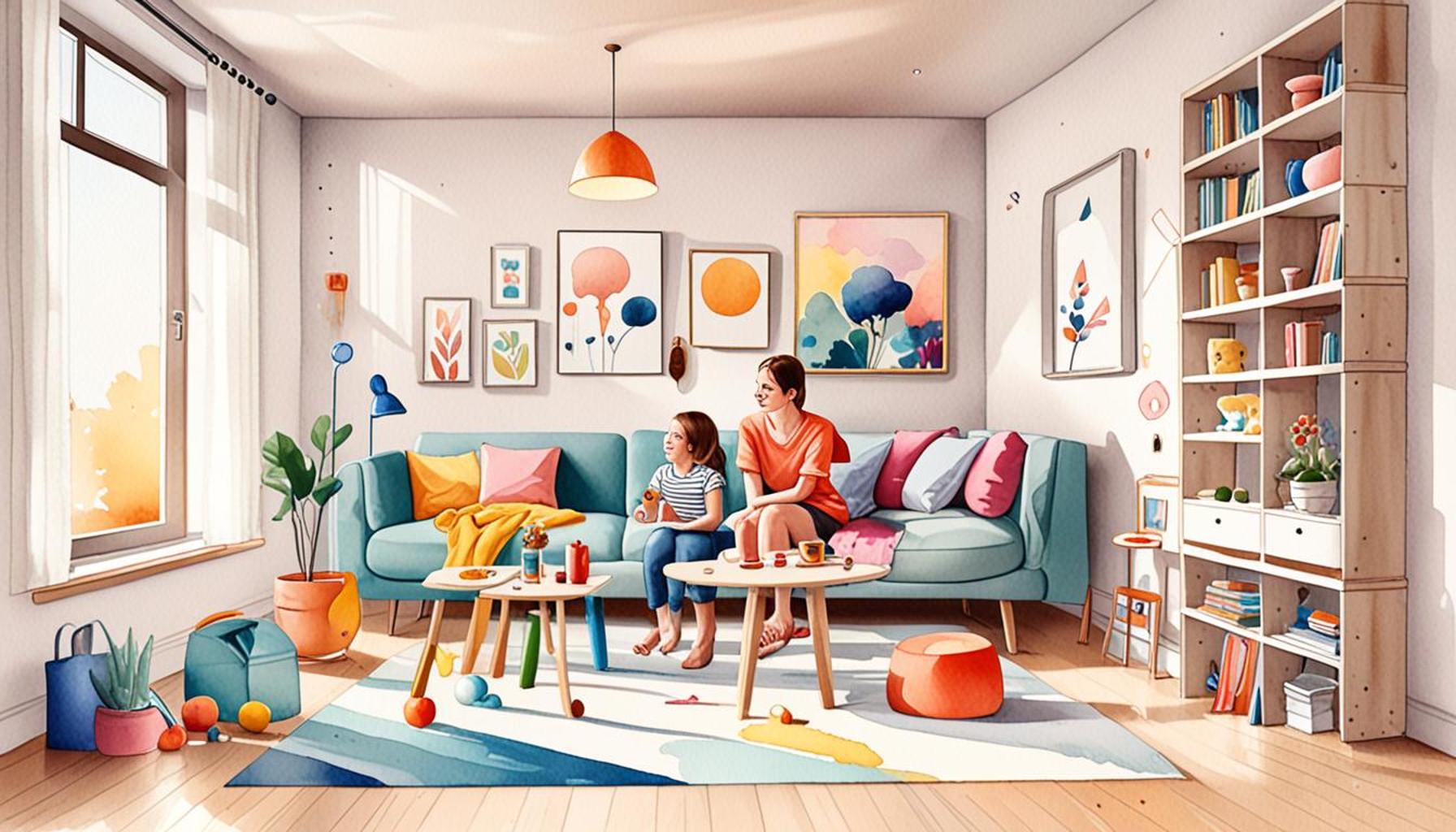
Negative space fosters clarity and focus by providing necessary breathing room. This becomes crucial in eliminating visual chaos and directing the eye to key elements. Consider a room devoid of clutter: clean lines and ample space around furniture pieces allow your attention to rest on the functionality and beauty of each element, rather than getting lost in a sea of unnecessary items.
The Rise of Minimalism
As the minimalist movement gains momentum, the importance of negative space cannot be overstated. Its adoption in personal organization and home design lays the foundation for a more efficient layout that significantly reduces clutter. This contributes not only to visual appeal but also to mental well-being, as a tidy space often translates to a tidy mind.
Top 5 Advantages of Negative Space in Minimalist Design
This article will explore the top 5 advantages of utilizing negative space, revealing how this subtle yet powerful element can remodel your spaces and elevate your lifestyle. Among its benefits are improved navigation through spaces, a serene ambiance, enhanced productivity, and a deeper appreciation for essential items.
Join us as we delve into how redefining your environment with negative space can open the door to a more purposeful and fulfilling life, encouraging each of us to ponder what truly adds value to our world—both in design and beyond.
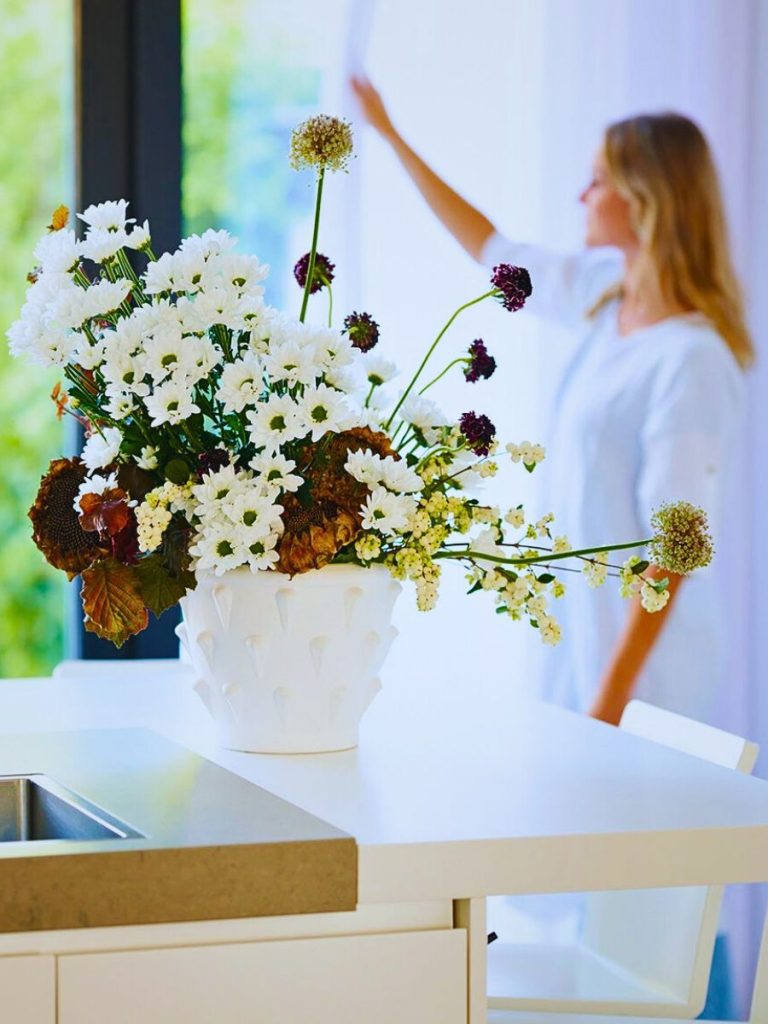
The Importance of Negative Space in Minimalist Design: Creating Organized and Functional Environments
In today’s world, brimming with distractions and an overwhelming influx of information, the concept of negative space in minimalist design stands out as a beacon of clarity and tranquility. As we navigate our increasingly cluttered lives, understanding how to harness negative space can transform any environment into a serene oasis. Here’s an in-depth exploration of the vital roles and implications of negative space in creating organized and functional spaces.
5. Enhancing Focus and Attention
One of the primary advantages of utilizing negative space is its ability to enhance focus and attention. When a room or design element employs ample negative space, it naturally guides the viewer’s eye to the essential components, minimizing distractions and fostering clarity. Cognitive load theory suggests that environments with less clutter enable a greater concentration span, as they reduce unnecessary stimuli that compete for our mental resources.
For instance, consider the design of a workspace. By avoiding overly ornate designs and choosing furniture that complements rather than overwhelms the layout, a space can be transformed into an area that supports productivity. Incorporating large open areas allows for breathing room, providing mental clarity and ease. This use of negative space leads to a more enjoyable and productive atmosphere, particularly beneficial in workspaces where focus is paramount, or in areas designated for study.
4. Creating a Sense of Balance
Negative space plays a critical role in establishing balance within a design. A well-structured space, where the arrangement of positive and negative spaces complement each other, evokes a sense of symmetry and harmony. This balanced aesthetic is not only pleasing to the eye but also contributes to a feeling of calm and ease in an environment.
Achieving balance can involve strategically positioning furniture away from walls to allow breathing space behind and around each piece, enhancing the room’s depth and dimension. Ensuring enough space around key elements, such as art or seating areas, helps in maintaining a balanced composition. Additionally, using color contrasts is an effective way to highlight the positive and negative areas of a space, drawing the eye and creating visual interest. Such harmony is a cornerstone of minimalism, fostering an environment that is both aesthetically pleasing and soothing.
3. Emphasizing Functional Design
At the heart of minimalism lies functionality—design that serves a purpose without unnecessary embellishments. Negative space is pivotal in accentuating this functionality by creating visual hierarchies that guide individuals to interact with the environment intuitively. This approach enables the design to communicate its purpose clearly.
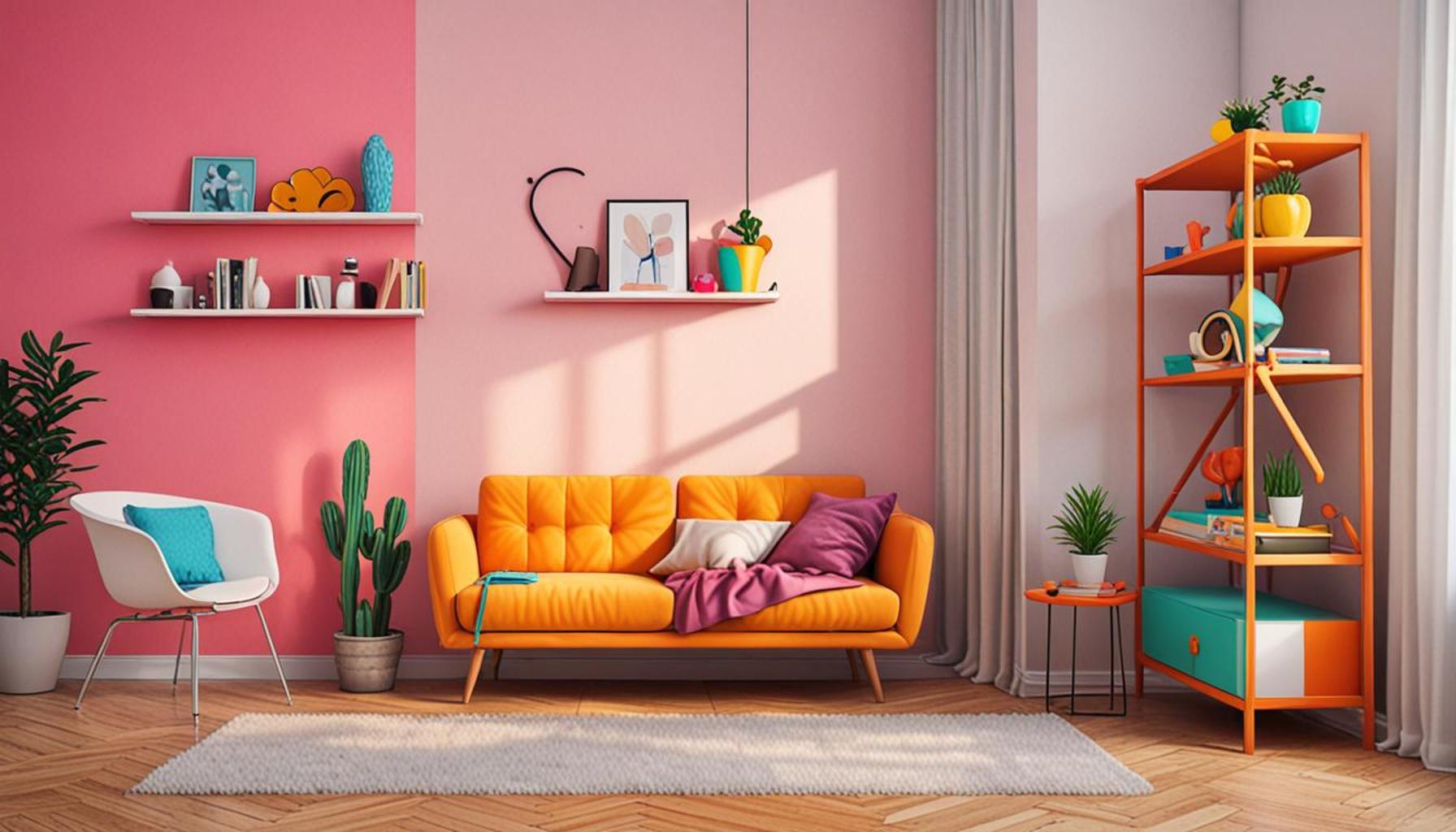
For example, open shelving solutions can highlight delicately curated objects, allowing them to stand out against a backdrop of simplicity. This method aligns with the minimalist philosophy where every decorative item selected serves an aesthetic or functional role. Minimalist furniture designs often enhance movement and functionality, encouraging a fluid interaction with the space. Likewise, strategic placement of lighting can amplify the perception of space, guiding attention to focal points and showcasing the design’s elegance.
Thus, emphasizing functional design through negative space not only makes a space practical but also enhances its visual richness, reinforcing the minimalist ideals of simplicity and purpose.
2. Instilling Tranquility and Calm
One of the most significant impacts of negative space in minimalism is its ability to foster emotional well-being by instilling tranquility and calm. Environments saturated with chaotic elements can lead to increased stress and anxiety. In contrast, spaces that thoughtfully utilize negative space evoke feelings of serenity and peace.
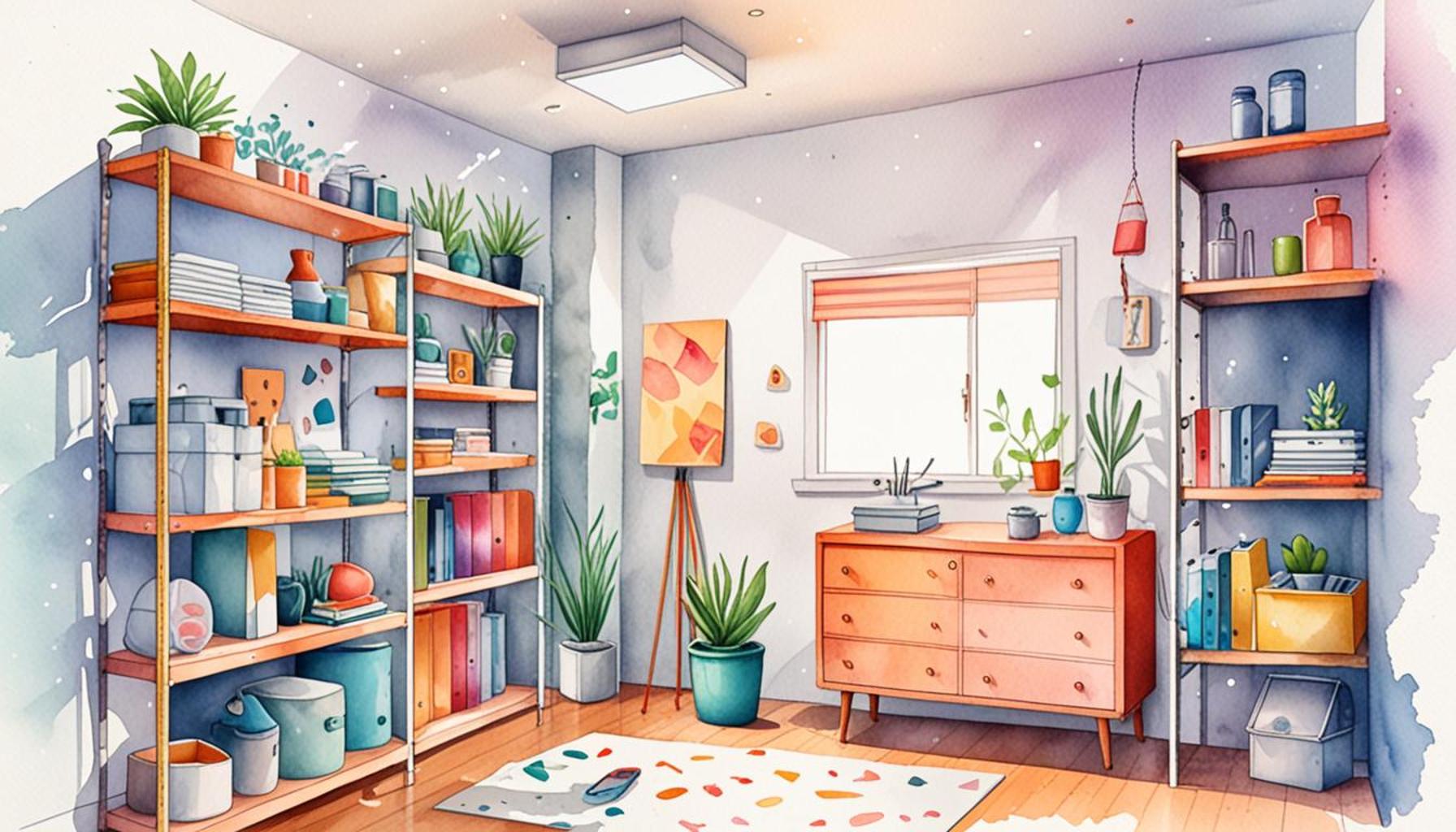
Psychological studies reveal a strong correlation between spacious designs and reduced anxiety, highlighting the importance of negative space in mental well-being. Soft, neutral color palettes can further enhance serenity, while large windows allowing natural light can create an open, airy feel that promotes relaxation. Maintaining a clutter-free environment through organized storage solutions ensures that the space remains inviting and restorative. Such spaces provide a calming backdrop for both personal and professional life, enabling individuals to recharge and focus on what truly matters.
1. Cultivating Creativity and Innovation
Perhaps the most compelling reason to embrace negative space in design is its ability to cultivate creativity and innovation. Open and airy environments can spark inspiration and encourage free thinking, as the absence of clutter allows the mind to explore and engage in a deeper reflective process.
Engaging with negative space invites fresh ideas and novel solutions by clearing the mental fog often associated with chaotic environments. For instance, designing dedicated brainstorming zones with ample negative space can facilitate creativity, allowing ideas to flow freely without the interference of visual noise. Promoting fluid transitions between spaces and encouraging artistic expression through open layouts can further enhance innovation.
By valuing negative space, creators can unleash latent potential and foster environments where bold ideas thrive. This approach aligns with the broader minimalist ethos of stripping away the non-essential to highlight what is truly important, both in design and in thought.
Conclusion
In conclusion, the responsive incorporation of negative space into minimalist design not only results in stunning aesthetics but also significantly enhances the functionality, well-being, and creativity within environments. As we continue to seek clarity and purpose in our living spaces, understanding the importance of negative space will guide us towards more meaningful and purposeful designs, transforming our environments into sanctuaries of peace and inspiration.
| Category | Details |
|---|---|
| Visual Balance | Negative space in minimalism allows for visual balance, making designs more appealing and easier to navigate. |
| Enhanced Clarity | By using negative space, focus shifts towards essential elements, reducing clutter and enhancing clarity in communication. |
| Functional Organization | Spaces that leverage negative space create organized environments that promote functionality and reduce distractions. |
| Emotional Impact | Negative space can evoke emotions through simplicity, allowing users to experience peace and mindfulness in their surroundings. |
Exploring the role of negative space in minimalist design enhances our understanding of how environments can be organized and functional. This approach goes beyond mere aesthetics; it shapes our interactions with spaces and objects. For designers, employing negative space is crucial. Consider the impact of a well-placed gap between furniture or decorative elements. Such spatial relationships encourage movement and interaction, offering a fluid experience that contrasts sharply with overcrowded settings. In a minimalist home, wide hallways and open rooms allow for an airier feel. This physical and visual openness contributes to a sense of tranquility, enabling inhabitants to feel less stressed.Moreover, the **significance of clarity** cannot be overstated. In a world bombarded with information, spaces that embrace negative space help in directing attention to key features, such as artwork or furniture. This not only enhances usability but also elevates the overall aesthetic quality. For instance, an art piece framed against a simple wall will stand out profoundly, drawing the viewer’s eye and contemplation. In the workplace, the strategic implementation of negative space can also enhance productivity. By creating organized spaces, employees are less likely to feel overwhelmed, allowing them to concentrate on tasks without unnecessary distractions. The impact extends to mental wellness, as environments designed with negative space encourage creativity and innovation.Finally, never underestimate the **emotional weight** that negative space carries. It can encapsulate feelings of freedom and serenity, akin to the expansive qualities of a clear blue sky. Each breath becomes more profound in a space that prioritizes intentionality over extravagance, striking a balance between simplicity and beauty. As you delve deeper into designing with negative space, prepare to uncover its myriad benefits that channel functionality while also nurturing the human spirit.
Frequently Asked Questions about Negative Space in Minimalist Design
What is negative space and why is it crucial in minimalist design?
Negative space, often referred to as white space, is the area around and between the elements of a design. It plays a pivotal role in minimalist aesthetics as it helps to create a sense of organization and clarity. By utilizing negative space, designers can highlight key elements, improve readability, and ensure that the overall composition is not overwhelming to the viewer. It allows the core message of the design to stand out more prominently and effectively.
How can negative space contribute to functionality in design?
In design, functionality is essential. Negative space contributes by guiding the viewer’s eye naturally to important information. It aids in creating visual hierarchy, which is crucial in emphasizing the most significant parts of the content. Essentially, negative space not only enhances the aesthetic appeal but also increases the design’s usability by focusing the viewer’s attention where it matters most. It streamlines the user experience and makes interaction with the design intuitive and effortless.
Can negative space have an impact on the psychological perception of a design?
Absolutely. The strategic use of negative space can affect how a design is perceived emotionally and psychologically. Designs with ample negative space often convey messages of sophistication, clarity, and serenity. This absence of clutter allows the audience to experience a sense of calmness and focus, making the design not only aesthetically pleasing but also psychologically comforting. Negative space can profoundly influence a viewer’s impression and engagement level with the design.
Is it possible to have too much negative space in a minimalist design?
While negative space is a powerful tool in minimalist design, it is essential to strike the right balance. Excessive negative space may lead to perceptions of underutilization or a lack of content, which can detract from the message and functionality of the design. The key is to use negative space deliberately, ensuring it complements the content rather than overwhelming it. An effective minimalist design uses just enough negative space to enhance clarity and support the overall design objective.
Conclusion
The importance of negative space in minimalist design cannot be overstated. By strategically utilizing voids and gaps within a composition, designers can create environments that are both aesthetically pleasing and functionally efficient. Throughout the article, we explored the multifaceted benefits of negative space in the context of minimalist aesthetics and personal organization.
Firstly, we discussed how negative space contributes to visual clarity. It allows the human eye to focus on essential elements, reducing clutter and making designs more digestible. This clarity is vital in environments where simplicity and coherence are desired.
Secondly, negative space plays a crucial role in enhancing functionality. By providing breathing room, it allows for easier navigation and usage of both physical spaces and digital interfaces. This harmony between form and function is a hallmark of effective minimalist design.
Additionally, the aesthetic appeal of negative space makes it a powerful tool for designers to convey sophistication and elegance while maintaining minimal distraction. The balance achieved with well-positioned negative space invites a sense of calm and balance, which is indispensable in modern living and working areas.
Personal organization benefits immensely from the principles of negative space. It encourages decluttering and prioritization of essential items, leading to enhanced productivity and mental clarity. As our world becomes increasingly complex, the value of streamlined, organized spaces grows in significance.
In closing, the integration of negative space into minimalist design and personal organization not only fosters beauty and simplicity but also promotes a healthier, more focused lifestyle. It invites us to rethink how we interact with our environments, encouraging a deeper appreciation for the spaces we occupy and the items we cherish. For anyone seeking to curate a more organized and functional lifestyle, embracing the principles of negative space is a compelling consideration, leading us to new horizons of aesthetic and practical possibilities.