Exploring the Relationship between Minimalism and Spatial Design in Optimizing Storage Spaces
The Rise of Minimalism in Design
As lifestyles become increasingly hectic and the average living space shrinks, the appeal of minimalism has surged in recent years. The philosophy advocates for simplicity and purpose in both personal belongings and architectural design, allowing individuals to carve out peaceful sanctuaries amidst the chaos. Minimalism’s ability to merge aesthetic simplicity with effective spatial design fosters an environment where less truly becomes more.
One of the central tenets of minimalism is decluttering. This goes beyond merely cleaning out closets; it’s a paradigm shift that encourages individuals to examine their relationships with material possessions. For example, studies show that the average American home has more than 300,000 items. By reducing this excess, individuals can free up both physical space and mental bandwidth, leading to enhanced focus and creativity. The act of decluttering can create an atmosphere not just of organization but also of tranquility.
Another essential aspect of minimalist design is the implementation of functional furniture. With the rise of urban living and smaller apartments, multi-purpose pieces are vital. Consider a sofa that transforms into a bed or an ottoman that doubles as storage. These innovations maximize utility while maintaining a clean aesthetic. For instance, the popular “Murphy bed” has redefined how urban dwellers utilize their square footage, allowing for versatile living spaces that adapt to different needs throughout the day.
Transformative Design Principles
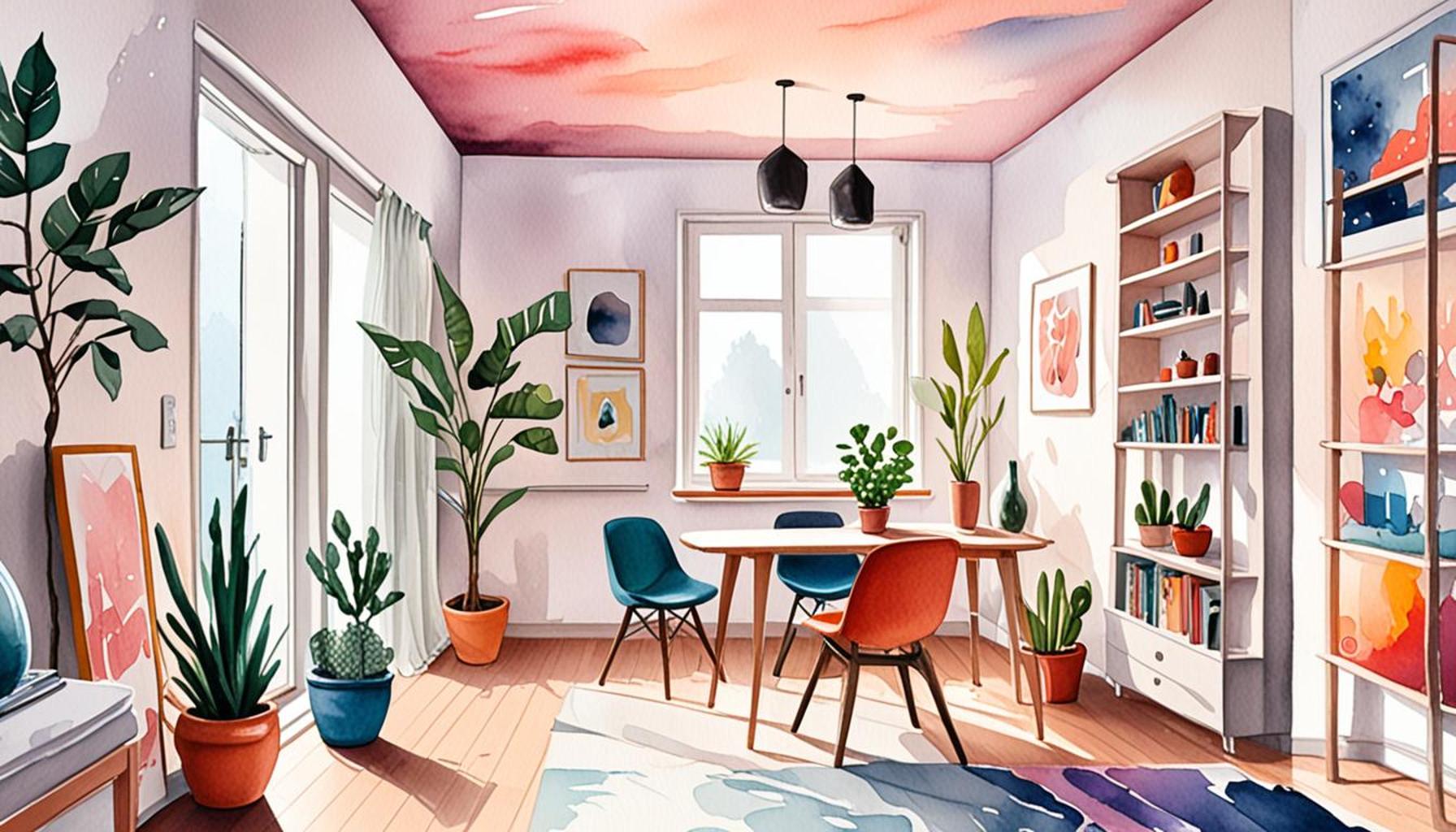
Design principles play a significant role in shaping minimalist environments. Clean lines, open spaces, and an abundance of natural light are hallmarks of effective spatial design. These elements work in concert to not only make spaces appear larger but also enhance the overall mood of the environment. Large windows, for example, allow sunlight to pour in, creating a bright and airy feel that counteracts the confinement often experienced in small homes.
In the United States, the trends towards minimalism are especially prominent in urban centers where space is at a premium. Homeowners and renters alike are prioritizing designs that merge practicality with style. Influential architects like Frank Lloyd Wright famously integrated the surrounding environment into his designs, aligning with minimalist ideals. Similarly, contemporary designers like Tadao Ando have demonstrated how simplicity can yield profound beauty through careful attention to materials and natural surroundings.
This exploration of how minimalism and spatial design coexist is just the beginning. By adopting these innovative techniques, individuals can not only maximize their storage solutions but also reassess their interaction with personal belongings. The pursuit of minimalism invites us to reflect on what we truly value—ultimately fostering a sense of freedom through simplicity.
DISCOVER MORE: Click here to learn how minimalism affects small space design
Functionality Meets Aesthetics
At the intersection of minimalism and spatial design lies a profound understanding of functionality and aesthetics. By stripping away the superfluous, minimalist design invites a clearer focus on the essential elements that serve a purpose within a defined space. This design philosophy not only emphasizes the visual appeal but also enhances the usability of a space, especially when it comes to optimizing storage solutions.
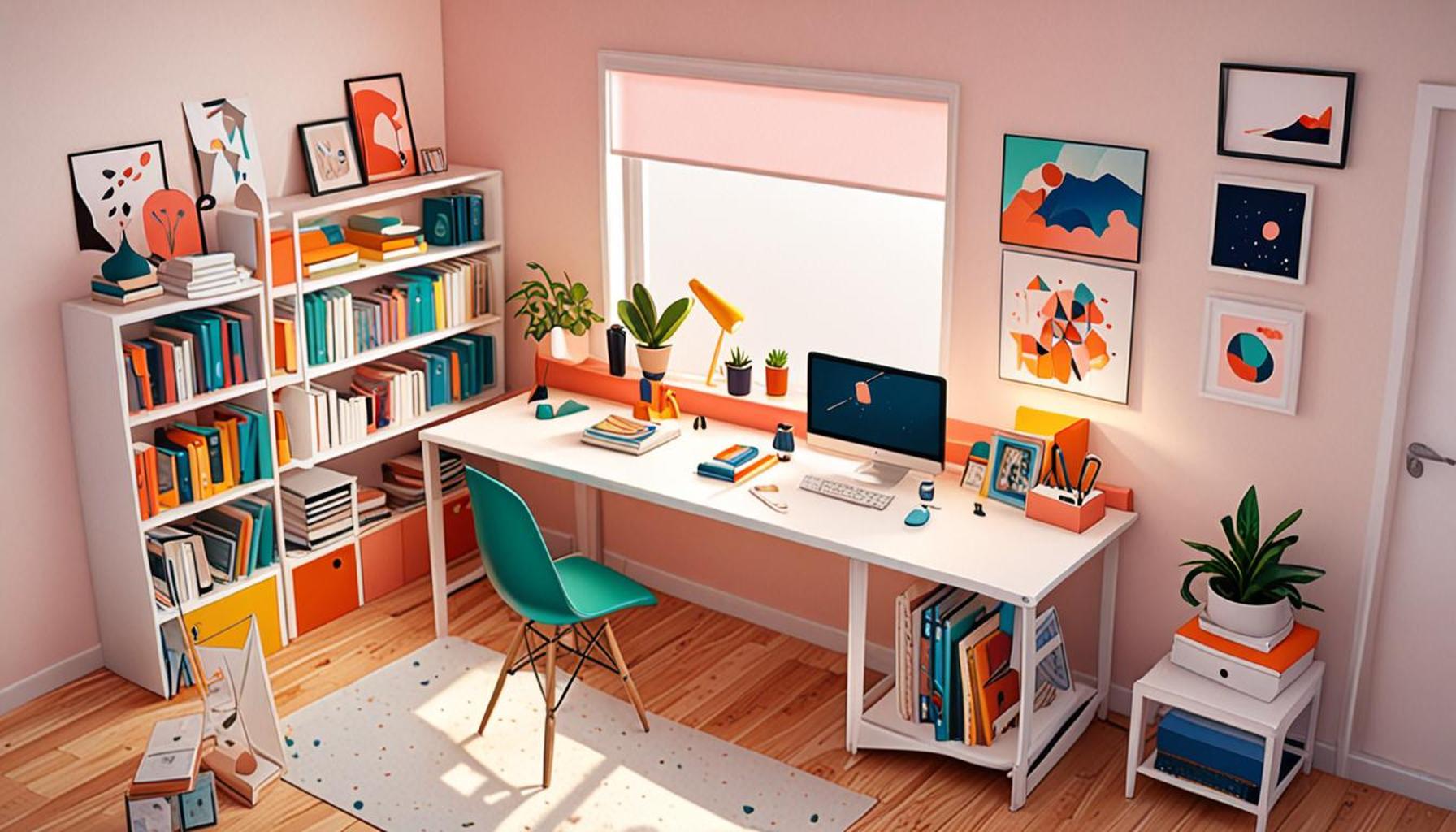
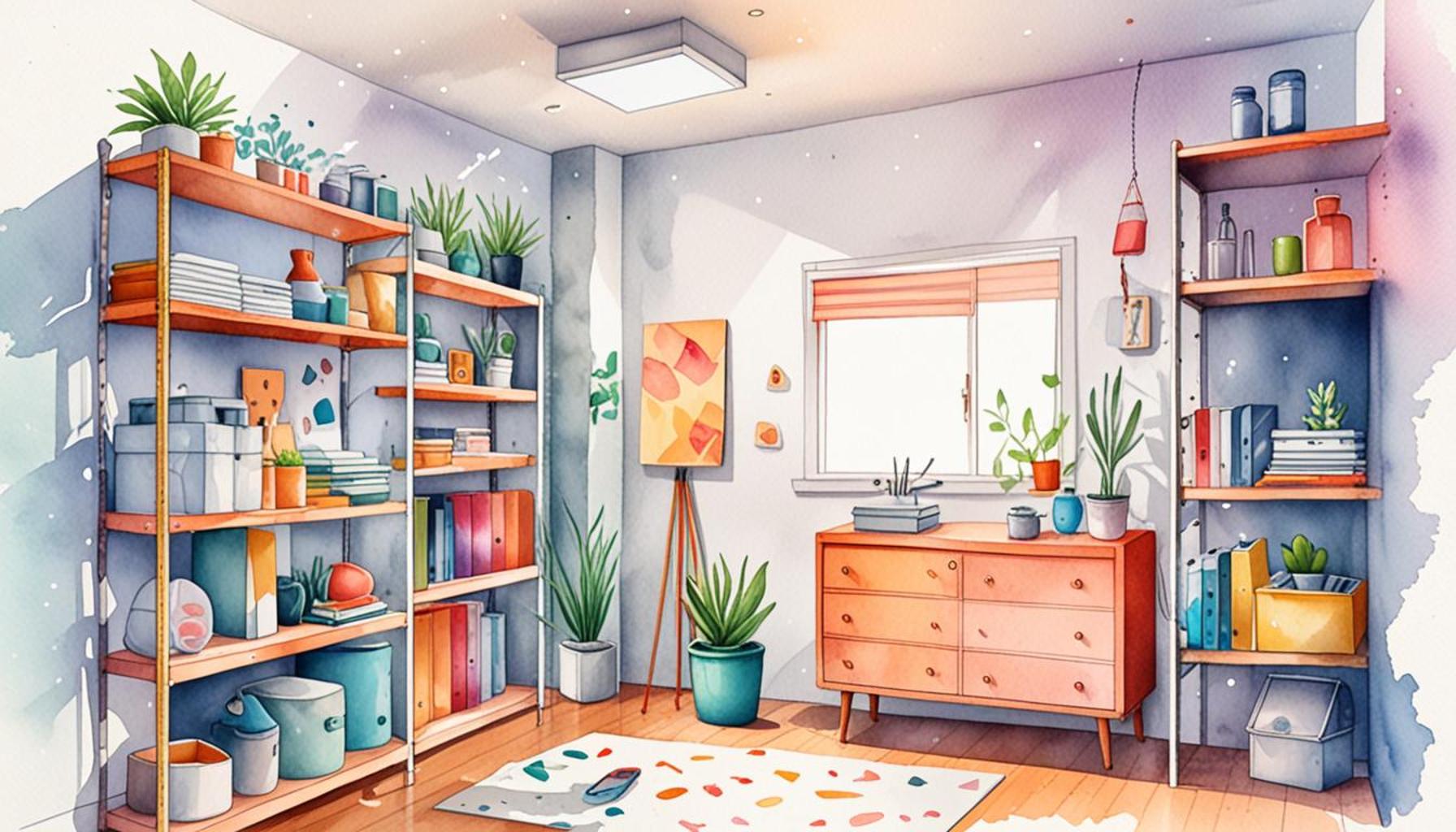
One of the fundamental principles of minimalist design is the clever use of vertical and horizontal space. In urban settings where square footage is at a premium, utilizing wall space can alleviate the clutter that often overwhelms small living areas. Wall-mounted shelving, for instance, offers an elegant alternative to bulky bookcases, allowing for storage that is both visually appealing and functional. When strategically placed, these shelves can create stunning focal points while keeping items organized and easily accessible.
Additionally, built-in storage solutions emerge as a hallmark of minimalistic spatial design. Customized cabinetry, under-stair storage, and even recessed nooks are just a few examples of how homeowners can integrate storage directly into their living environments without compromising aesthetics. This method of integration provides seamlessness, where storage becomes an invisible part of the space rather than an obstruction. Such design techniques not only enhance the efficiency of a room but also lend a sense of harmony throughout the home.
Innovative Storage Techniques
The innovation doesn’t stop with built-in solutions and wall spaces. In the realm of minimalism and spatial design, several cutting-edge techniques can maximize storage without sacrificing style:
- Multi-functional Furniture: As highlighted earlier, pieces like coffee tables with hidden compartments or benches that double as storage can significantly declutter spaces.
- Sliding Panels: Rather than using traditional cabinet doors that take up space when opened, sliding panels can conceal clutter while maintaining a streamlined look.
- Magnetic and Hanging Organizers: These allow for the suspension of kitchen utensils or tools, freeing up counter and drawer space.
- Clear Containers: Utilizing transparent storage helps maintain visibility of items while creating an illusion of order — a critical aspect of minimalist design.
Such innovations echo a broader societal shift towards embracing a sustainable lifestyle. As more individuals become conscious of their consumption habits and seek to reduce waste, the implementation of thoughtful storage design aligns with this ethos. By adapting spaces that promote a minimalist mindset, individuals are not only optimizing their living conditions but also fostering a deeper connection to their belongings, leading to more intentional living.
In essence, the relationship between minimalism and spatial design is a profound one. It invites exploration into how our environments reflect our values and priorities, enabling a more enriching and effective use of space. By embracing design techniques that prioritize both functionality and a serene aesthetic, individuals can navigate the complexities of modern living while cultivating a sense of calm and order.
In the context of modern living, where space is at a premium, the integration of minimalism with spatial design emerges as a strategic approach to optimizing storage spaces. Minimalism transcends mere aesthetics; it embodies a philosophy that encourages individuals to embrace simplicity and functional design. This connection fosters a profound understanding of how every item and element within a space can contribute to its overall harmony and efficiency.One of the core principles of minimalism is the concept of *decluttering*. By removing excess items and focusing only on essentials, individuals can create an environment that not only looks visually appealing but also enhances functionality. In essence, decluttering allows for better utilization of available storage solutions, making it easier to access and organize items. Spatial design plays a pivotal role in how these minimalistic principles are applied. Through intelligent planning and strategic placement of furniture and storage units, designers can create seamless spaces that facilitate ease of movement and accessibility. For example, multi-functional furniture pieces, such as ottomans that double as storage bins, exemplify how minimalist design can cleverly address storage needs without compromising style.Moreover, the role of color and lighting in spatial design cannot be overlooked. Lighter color palettes can make smaller spaces feel more expansive, while natural light enhances the overall ambiance and perceived openness. By incorporating these elements into a minimalist design framework, individuals can transform cramped quarters into inviting havens of tranquility and order.Additionally, the psychological benefits of minimalism further support its relevance in spatial design. A clutter-free environment can significantly reduce stress and increase productivity, allowing for a more enjoyable and efficient living experience. It encourages mindfulness—promoting the idea that each item in one’s surroundings should serve a purpose or bring joy.As the intersection of minimalism and spatial design continues to evolve, innovative storage solutions are emerging, tailored to meet the needs of modern lifestyles. This ongoing exploration not only champions aesthetics but also emphasizes the importance of creating nurturing spaces that prioritize both functionality and well-being. It beckons individuals to reevaluate their environments, encouraging a shift towards more thoughtful consumption and design practices that stand the test of time.
DISCOVER MORE: Click here to learn how minimalism can enhance your time management
Cultivating Order Through Intentional Design
As the quest for optimizing storage spaces continues, the relationship between minimalism and spatial design becomes increasingly vital. In the context of contemporary living, where clutter can often lead to stress and distraction, intentional design emerges as a catalyst for cultivating order and tranquility. By thoughtfully arranging spaces to reflect minimalist principles, individuals can create environments that not only optimize storage but also foster a sense of serenity and focus.
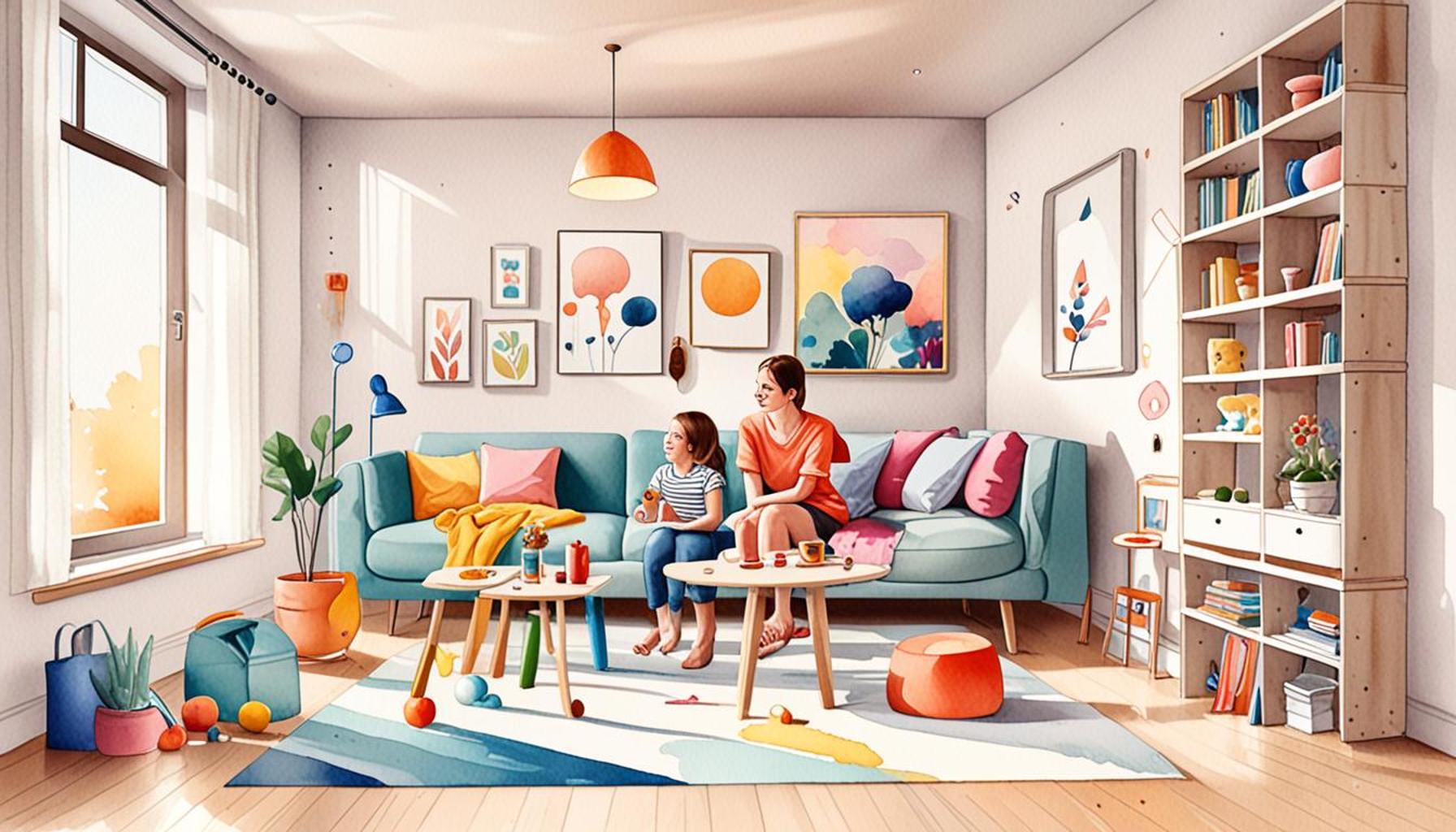
One notable approach to intentional design is the concept of zoning. This technique involves defining specific areas within a larger space dedicated to particular functions. For instance, a living room can be divided into zones for relaxing, working, and entertaining, each equipped with tailored storage solutions that cater to its purpose. By doing so, one can effectively manage the items associated with each activity, thus reducing visual clutter and dissatisfaction that stems from disorganization. Incorporating decorative storage elements, such as stylish baskets or chic storage boxes, not only provides practical solutions but also enhances the overall aesthetic of the room.
An extension of zoning is the integration of colors and materials that reinforce minimalist ideals. Neutral palettes are prevalent in minimalist design, as they create an airy and spacious feel which simultaneously highlights functional storage. For example, a kitchen adorned with soft whites or muted pastels can create a tranquil atmosphere while maximizing storage capabilities through sleek cabinetry. This blend of beauty and function allows for streamlined space that reflects personal style without overwhelming the senses.
The Digital Dimension of Minimalism
The digital age has ushered in a new paradigm for storage solutions, expanding the minimalist approach beyond physical items. Virtual decluttering has become equally important, as excessive digital clutter can weigh heavy on mental well-being and productivity. By utilizing tools such as cloud storage, individuals can minimize the accumulation of hardware and free up physical space in their homes. Digital organization methods, like folder hierarchies and systematic tagging, provide clarity akin to their physical counterparts. This digital minimalism mirrors the principles of spatial design; just as a clutter-free environment allows for fluid movement and functionality, an organized digital space cultivates increased efficiency and mental clarity.
Moreover, the emergence of smart home technology introduces an additional layer to minimalist spatial design. With the ability to control lighting, temperature, and even appliances via smartphone applications, homeowners can tailor their environments to optimize both comfort and storage. For instance, smart storage solutions such as automated shelving can adjust to accommodate different items, promoting a more dynamic approach to living spaces. This technology not only enhances usability but also encapsulates the essence of minimalism: a focus on simplicity and functionality in everyday living.
Ultimately, the ongoing exploration of the relationship between minimalism and spatial design highlights the importance of intentionality. As individuals continue to navigate the complexities of modern life, adapting to minimalist principles provides an invaluable framework for optimizing storage spaces while nurturing a more harmonious environment. The intersection of functionality, aesthetics, and technology creates opportunities for innovative design, inviting a future that celebrates simplicity and purpose in the spaces we inhabit.
DISCOVER MORE: Click here for essential tips
Conclusion: Embracing Simplicity for Efficient Living
In today’s fast-paced world, the relationship between minimalism and spatial design emerges as a crucial avenue for transforming our living spaces into havens of efficiency and calm. As we delve deeper into the importance of intentional design, it becomes evident that decluttering our environments—both physical and digital—can significantly enhance not only our storage solutions but also our overall well-being. Through strategies such as zoning, the incorporation of neutral colors and materials, and the adoption of smart technology, we pave the way for homes that are both functional and stylish, reflecting our personal aesthetics while minimizing chaos.
Moreover, the role of digital minimalism cannot be overstated, as it complements physical organizational efforts, ensuring that our digital lives mirror the order we seek in our living spaces. With the rising integration of smart home features, the opportunities for innovative design principles expand, promising a future where simplicity reigns supreme. As we embrace these minimalist practices, we enhance not only our storage capacities but also the quality of our day-to-day experiences, creating environments that elicit feelings of peace and functionality.
Ultimately, the journey of optimizing storage through minimalism and spatial design invites us to reconsider what we truly need in our spaces. It is an exploration that challenges us to prioritize clarity and utility, allowing us to navigate our lives with greater ease and intention. As we move forward, let us remain open to the possibilities that minimalism presents in reshaping our physical and digital environments, inspiring a collective aim for a more organized, peaceful existence.