Menu

Exploring the Relationship between Minimalism and Spatial Design in Optimizing Storage Spaces

The shift towards minimalism emphasizes simplicity and intentionality in spatial design, optimizing storage solutions. By decluttering and utilizing multifunctional furniture, individuals can create serene environments that enhance both functionality and aesthetics. This approach encourages a mindful relationship with belongings, fostering tranquility and efficiency in modern living spaces.

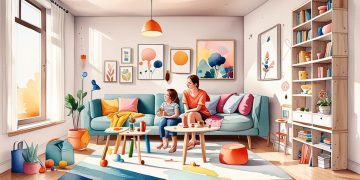
Minimalist Spatial Design for Families: How to Efficiently Organize Shared Spaces

This article explores how minimalist spatial design transforms shared family spaces by emphasizing organization, decluttering, and multifunctional furniture. It highlights the benefits of defined zones, smart storage solutions, and incorporating nature to enhance family interactions and well-being, creating inviting and efficient environments that foster connection and comfort.

Minimalism and Spatial Design: The Art of Creating Multifunctional Environments in Small Homes

As urban spaces shrink, embracing minimalism and spatial design emerges as essential for creating multifunctional environments in small homes. By prioritizing functionality, decluttering, and innovative layouts, homeowners can enhance livability while maintaining style, ultimately transforming compact living into peaceful, efficient sanctuaries.

The Influence of Minimalist Spatial Design on Personal Organization in Work Environments

Minimalist spatial design significantly enhances personal organization and productivity in work environments. By promoting simplicity and order, it reduces distractions and fosters collaboration. This design approach not only cultivates a calming atmosphere but also improves employee focus, creativity, and overall well-being, making it vital for modern workspaces.

The Importance of Spatial Design in Creating Concentration Zones at Home

Effective spatial design is essential for creating concentration zones at home, enhancing productivity and focus. By optimizing lighting, furniture arrangement, and sensory elements, individuals can cultivate environments that minimize distractions and support mental clarity, ultimately leading to greater success in remote work and online learning.

The Role of Minimalist Spatial Design in Creating Effective and Inspiring Study Environments

Minimalist spatial design significantly enhances study environments by promoting focus, creativity, and collaboration. By eliminating clutter and utilizing natural light, functional furniture, and eco-friendly materials, these thoughtfully designed spaces foster emotional well-being and efficient learning, transforming educational experiences into inspiring journeys.

Maximize Minimalist Design The Power of Negative Space for Functional Spaces

Embrace minimalist design to enhance personal organization by leveraging negative space, which encourages clarity and focus. Prioritize essentials to simplify your environment and boost functionality. This approach not only reduces clutter but also fosters a serene atmosphere, enabling you to concentrate on what truly matters in your life.

Maximize Productivity Space Design Strategies for Minimalist Environments

Explore how minimalist design enhances productivity by reducing clutter, promoting personal organization, and creating calming environments. Discover how streamlined spaces encourage focus and efficiency, allowing you to prioritize tasks effectively and maintain a clear mind. Embrace minimalism to elevate productivity in both personal and professional settings.

The importance of minimalist spatial design in creating organized and functional environments

Minimalist spatial design prioritizes simplicity and functionality, creating organized environments that enhance productivity and psychological well-being. By reducing clutter and promoting versatility, this design philosophy fosters tranquility, facilitates social interactions, and supports adaptability, ultimately leading to more fulfilling and efficient living spaces. Embrace minimalism for a harmonious lifestyle.

How Minimalism Influences the Arrangement and Choice of Furniture in Small Spaces

Explore how minimalism shapes furniture arrangement and selection for small spaces, emphasizing functionality, multi-functionality, and open-concept living. By prioritizing quality materials and a neutral color palette, urban dwellers can create stylish, efficient environments that enhance tranquility and usability, transforming compact areas into harmonious sanctuaries.