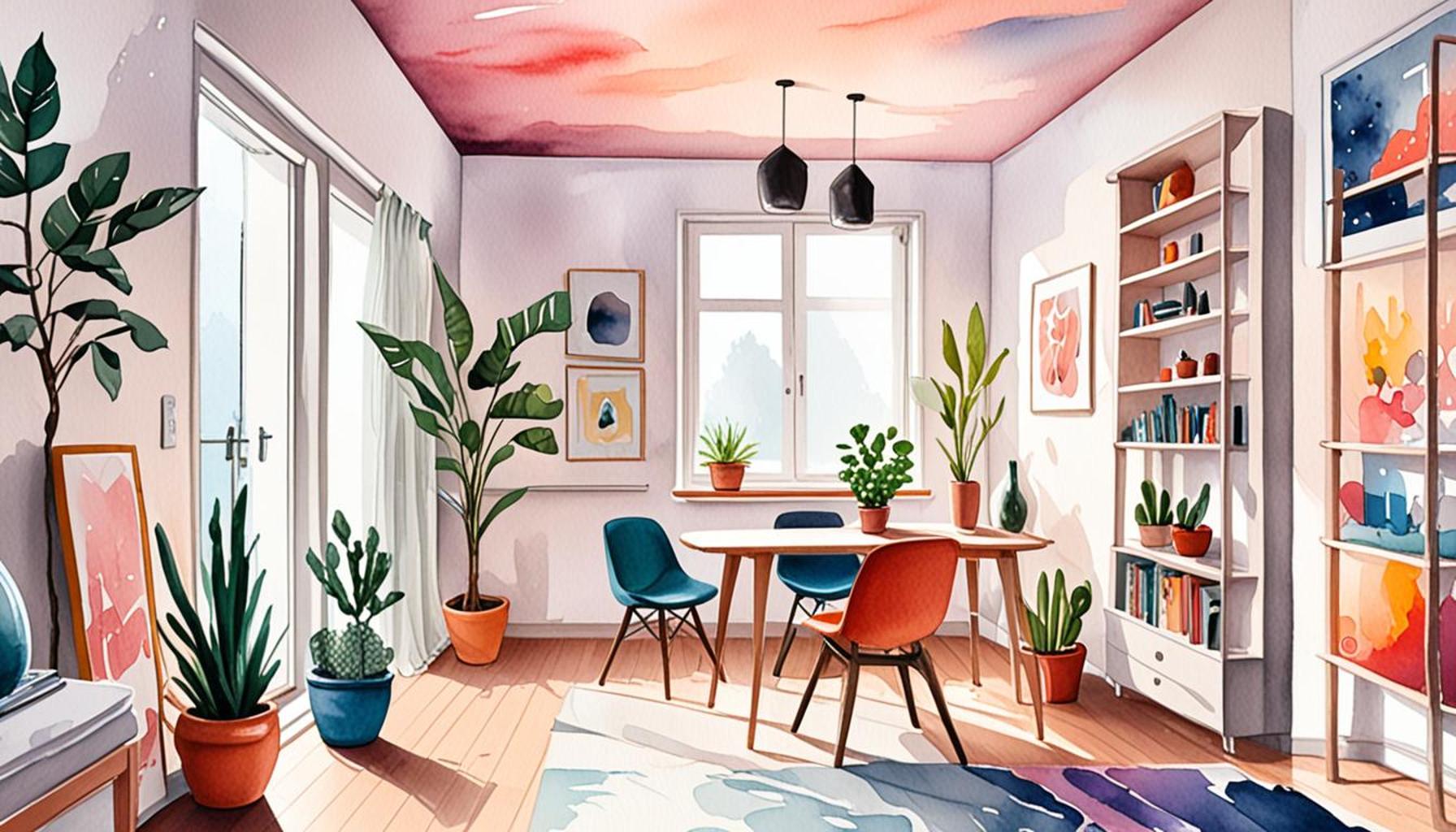
Maximize Productivity Space Design Strategies for Minimalist Environments

Transforming Spaces for Optimal Efficiency
In an age where distractions abound, the quest for increased productivity often leads individuals to embrace minimalism. This approach is not merely a design choice but a lifestyle that promotes simplicity and organization, aiming to streamline both physical and mental clutter.
Minimalist environments prioritize functionality and aesthetic appeal, making them ideal for fostering creativity and focus. Understanding how to design these spaces effectively can be a game changer for anyone looking to enhance their productivity.
Why Space Design Matters
- Enhanced Focus: A clean space minimizes distractions.
- Improved Mood: Well-designed environments can boost morale.
- Efficient Use of Resources: Smart layouts conserve energy and time.
In this article, we will explore the Top 5 strategies for designing spaces that not only reflect minimalist principles but also aim to maximize productivity. Get ready to discover how a few thoughtful changes can make a significant impact on your work life.
Top 5 Strategies for Space Design to Maximize Productivity in Minimalist Environments
In today’s bustling world, where the cacophony of daily life often feels like an energy-draining clutter, minimalism emerges as a soothing antidote. This design ideology, centered around simplicity and the intentional omission of excess, has transcended into various realms of personal organization and spatial planning. The following top 5 strategies elucidate how meticulous design can not only promote a minimalist aesthetic but also substantially enhance productivity. Let’s explore these strategies and discover how to craft spaces that embody both simplicity and efficiency.
5. Incorporate Smart Storage Solutions
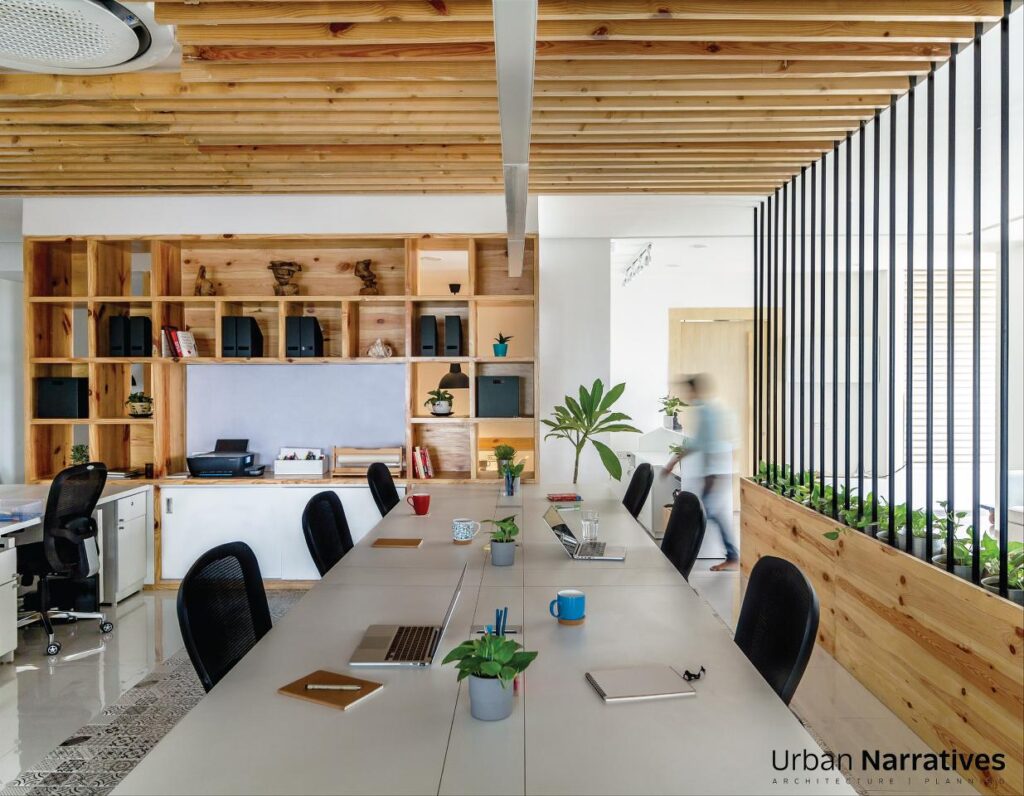
A quintessential element of minimalist design is effective storage. By embracing smart storage solutions, it’s possible to declutter and organize a workspace efficiently. This involves more than just using storage; it’s about ensuring every item has a purpose and a designated space. For instance, multi-functional furniture, such as desks with built-in drawers or storage ottomans that double as seating, can be revolutionary.
- Use vertical space: Installing shelves high on walls is an excellent way to store books or decorative elements, liberating valuable floor area typically burdened by cumbersome cabinets.
- Invest in modular storage: Modular organizers allow customization and reconfiguration, tailoring space organization to individual needs and allowing for flexibility as those needs evolve.
- Implement hidden storage: Furniture pieces with concealed storage compartments can maintain the sleek, clean lines desired in a minimalist environment while discreetly hiding necessary items.
Such storage solutions not only reduce visual clutter but also foster an environment where distractions are minimized, enhancing one’s ability to maintain a sharp focus on tasks.
4. Emphasize Natural Light
Natural light is a mighty influencer of mood and productivity. Research consistently highlights its role in enhancing well-being and efficiency. As such, maximizing natural light is vital in any minimalist environment.
- Position workspaces near windows: Ensuring that desks and work areas are close to windows can significantly reduce the dependence on artificial lighting, creating a more comfortable and sustainable workspace.
- Keep window treatments minimal: Sheer curtains or blinds that allow light into spaces while preserving privacy can be highly effective.
- Use reflective surfaces: Mirrors and glass elements can help distribute light, making small spaces feel more expansive and inviting.
This infusion of natural light doesn’t merely enhance the visual dimensions of space but actively contributes to a vibrant atmosphere conducive to creativity and deeper concentration.
3. Maintain a Neutral Color Palette
The art of choosing a neutral color palette in minimalist design cannot be overstated. Such palettes create a serene, non-distracting environment that is both calming and conducive to focus. Whites, grays, and soft beiges serve as the backbone of minimalist design, forming a cohesive and tranquil setting.
- Use monochromatic schemes: Employing varying shades of a single color can give a unified and sophisticated look.
- Add subtle texture: Introducing diverse materials like wood, metal, and fabric can maintain interest without overwhelming the senses.
- Introduce occasional pops of color: Art pieces or decor items can refresh the space and add individuality to a neutral backdrop when used sparingly.
This approach not only enhances the visual appeal but cultivates an environment that promotes tranquility and focus, essential ingredients for productivity.
2. Define Zones for Distinct Activities
In minimalist environments, defining zones for distinct activities fosters an organized workflow. By allocating different areas for work, relaxation, or creative endeavors, one can enhance focus and efficiency within each zone.
- Use rugs or furniture to visually separate areas: Creating physical boundaries helps discern different functionalities within an open space.
- Tailor furniture to purpose: Selecting pieces that align with a zone’s purpose, such as a standing desk for work or a low sofa for relaxation, can reinforce the activity intended for the space.
- Keep activities consistent: Ensure furnishings in each zone support the intended activities, avoiding confusion and promoting efficiency.
Clearly defined zones allow for a seamless transition between tasks and activities, thus optimizing productivity by meriting each area with its dedicated focus and purpose.
1. Foster a Distraction-Free Environment
At the pinnacle of enhancing productivity in minimalist spaces is the need to foster a distraction-free environment. This involves consciously reducing noise, visual distractions, and unnecessary clutter, creating a sanctuary of concentration.
- Soundproof the space: Incorporating elements like carpets, acoustic panels, or soft fabrics can effectively absorb ambient noise.
- Minimize visual clutter: Employing strategic storage solutions ensures surfaces remain clean and free from distracting items.
- Use digital tools for organization: Leveraging apps and digital frameworks to track tasks can minimize the physical clutter of lists and reminders.
A distraction-free environment encourages deep thought, leading to improved productivity and allowing individuals to fully immerse themselves in their work.
In essence, these five strategies are a guiding compass for transforming minimalist spaces into realms of productivity. With intentional design that prioritizes efficiency and simplicity, one can craft environments that not only look pristine but also harness potent creative and productive energies.
Frequently Asked Questions
What are some key principles of minimalist design that can enhance productivity?
Minimalist design focuses on simplicity and functionality, which can significantly enhance productivity by reducing distractions. Key principles include maintaining a clean and clutter-free environment, using furniture that serves multiple purposes, and selecting a neutral color palette that promotes calmness and concentration. The idea is to eliminate unnecessary items and create a space that allows for clear thinking and efficiency.
How can lighting impact productivity in a minimalist workspace?
Lighting plays a crucial role in a minimalist workspace by influencing mood and productivity levels. Incorporating natural light is ideal as it has been shown to boost mood and alertness, which contributes to higher productivity. When natural light is not an option, using soft, adjustable artificial lighting that minimizes glare can ensure the workspace remains comfortable and conducive to work.
Are there specific furniture choices that support productivity in a minimalist design?
Choosing the right furniture is essential in a minimalist design. Opt for pieces that are simple yet versatile, such as a desk with integrated storage to keep the surface area clear. Ergonomic chairs that provide proper support and comfort are also critical for maintaining focus and preventing fatigue during long working hours. The goal is to prioritize furniture that complements the space without adding unnecessary complexity.
How does organization play a role in achieving a minimalist and productive environment?
Organization is at the heart of minimalist design and is vital for fostering productivity. Implementing a thoughtful storage system helps keep essential items accessible while ensuring the space remains tidy. Consider using labeled containers, digital storage solutions, and cable management systems to maintain order. Regularly reviewing and decluttering the workspace is also important to prevent the accumulation of items that could disrupt the minimalist aesthetic.
Can technology be integrated into a minimalist space without compromising its principles?
Indeed, technology can coexist with minimalist principles when thoughtfully integrated. The key is to utilize technology that supports productivity while keeping it unobtrusive. For instance, wireless devices reduce cable clutter, and dual-monitor setups can maximize workspace efficiency for tasks that require multiple windows. Furthermore, hidden storage solutions can conceal devices when not in use, maintaining the clean lines integral to minimalist design.
Conclusion: Optimizing Productivity Through Minimalist Space Design
The principles of minimalist design have far-reaching implications, especially when it comes to enhancing productivity through intentional space organization. By focusing on removing clutter and unnecessary distractions, individuals can create environments that are conducive to concentration and efficiency. Throughout the article, we explored key strategies that reinforce the symbiotic relationship between minimalism and productivity.
First and foremost, prioritizing functionality is critical. By selecting furniture and decor that serve a purpose, every element in a minimalist space contributes to the overall utility and productivity. This is complemented by the thoughtful use of natural light and neutral color schemes, which not only enhance mood but also increase mental clarity and focus.
Moreover, the strategic incorporation of essential technological tools plays a pivotal role. By utilizing streamlined and efficient devices, productivity can be maximized without the distractions of excessive gadgets. Equally important is the regular practice of decluttering, ensuring that the environment remains organized and free from unnecessary items that can hinder workflow.
Additionally, the implementation of personalized yet simplistic design touches creates a balance that resonates with the individual’s preferences while maintaining the core tenets of minimalism. Personalization in design reinforces comfort and motivation, ultimately leading to enhanced productivity.
In summary, applying these design strategies effectively demonstrates that a minimalist approach can drastically influence and improve productivity. As the demand for more intentional and efficient living environments grows, there is ample opportunity for individuals to delve deeper into minimalist principles and adapt their spaces accordingly. Embracing these ideas not only aligns with contemporary trends but also cultivates a harmonious balance between simplicity and productivity.