Minimalism and Spatial Design: The Art of Creating Multifunctional Environments in Small Homes
Understanding Minimalism in Modern Spaces
As urban living spaces shrink, the demand for intelligent architecture is growing. Minimalism and spatial design emerge as powerful allies in the quest for functional yet stylish small homes. These concepts not only enhance aesthetics but also elevate the livability of compact spaces.
The Core Principles of Minimalism
The essence of minimalism lies in its sleek simplicity, focusing on a few fundamental principles that aim to create a more peaceful and harmonious living environment. Key elements of minimalism include:
- Decluttering: One of the first steps in embracing minimalism is eliminating non-essential items. This process helps create a serene atmosphere and reduces distractions.
- Functional furnishings: In a minimalist setting, every furniture piece should serve a dual or even multiple purposes, such as a sofa that converts into a bed or a coffee table with built-in storage.
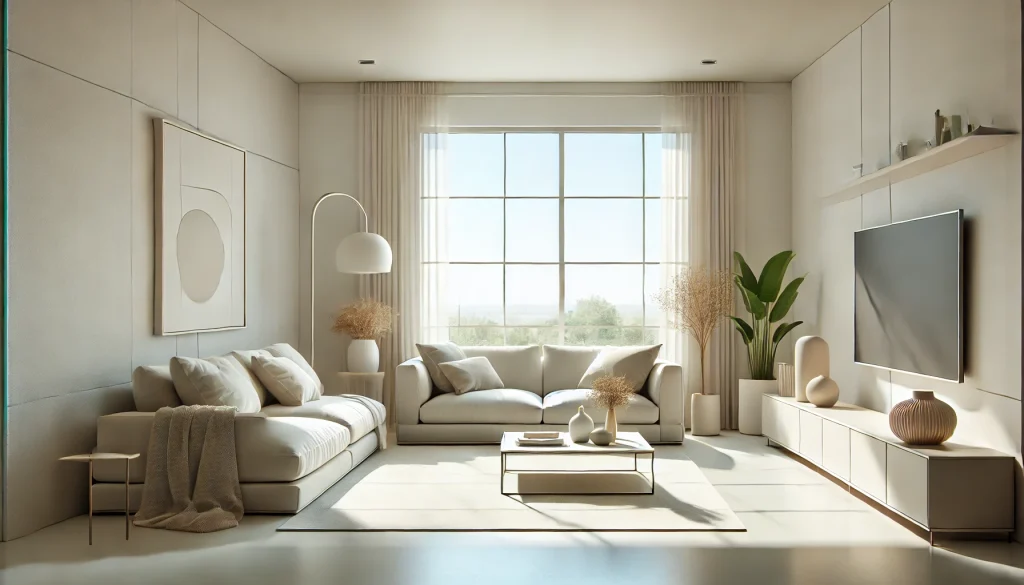
- Natural light: Integrating large windows or glass doors in a design can maximize natural light, which creates an illusion of spaciousness and helps connect the interior with the outside world.
Spatial Design: Flow and Functionality
While minimalism focuses on reducing clutter and maximizing function, spatial design is essential in determining how various areas of a home interact and flow together. Some critical aspects of spatial design include:
- Open layouts: These designs facilitate movement and interaction, allowing spaces to feel larger and more integrated. Think about a combined kitchen and living area that encourages socializing.
- Smart storage solutions: Innovative designs such as under-bed drawers, wall-mounted shelves, and built-in cabinetry maintain a clean look while ensuring that personal belongings are easily accessible yet discreetly stored.
- Visual connectivity: Employing a cohesive color palette and consistent materials throughout different areas of the home can forge a sense of unity, making the entire space feel more expansive.
Transforming Spaces: Practical Applications
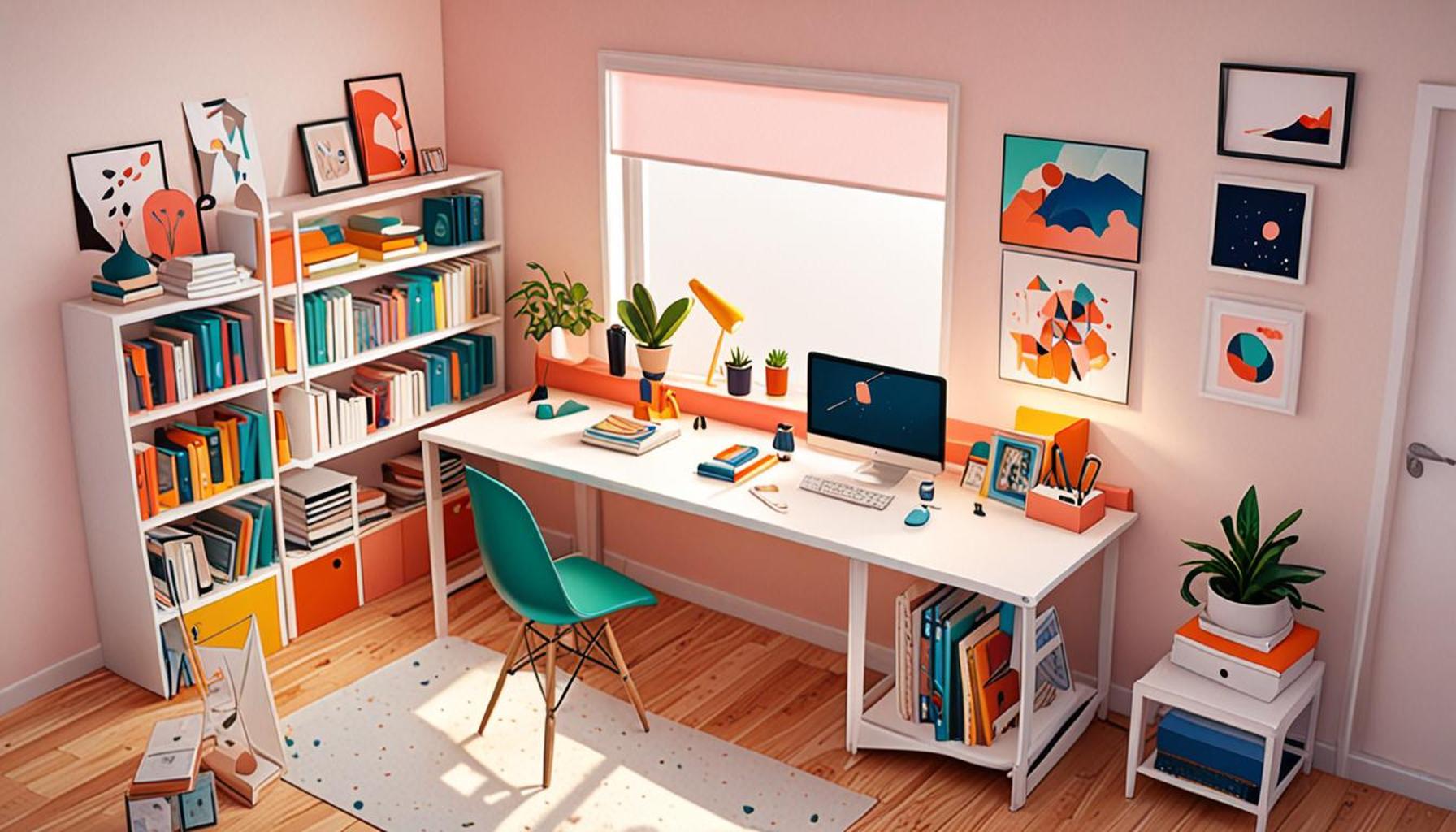
Incorporating these principles allows homeowners to transform cramped quarters into inviting sanctuaries. For example, consider a studio apartment where designated areas for sleeping, working, and relaxing can be efficiently created using multifunctional furniture and strategic spatial arrangement. Utilizing light-colored walls and mirrored accents can further enhance the perception of space.
Ultimately, innovating and adapting the principles of minimalism and spatial design to fit one’s lifestyle can significantly improve how we live within our homes. The journey to creating a multifunctional environment begins with an understanding and embrace of these concepts. As the trend toward smaller living continues, exploring minimalism and thoughtful spatial design remains crucial for creating stylish, practical, and peaceful environments in the United States and beyond.
DIVE DEEPER: Click here to discover effective decluttering strategies
Embracing Minimalism for Space Optimization
The rise of minimalism in interior design comes as a response to our increasingly cluttered lives. In the United States, where consumerism often dictates our lifestyles, embracing minimalism can significantly enhance the functionality of small homes. By understanding and implementing the tenets of minimalism, homeowners can create spaces that are not only beautiful but also highly efficient. This approach leads to a profound transformation, allowing cramped environments to breathe more freely.
Smart Design Choices That Liberate Space
Choosing the right design elements is essential for maximizing functionality in small spaces. Here are some smart design choices that reflect minimalist principles while optimizing space:
- Multi-use Furniture: Furniture pieces that serve more than one purpose can be a game changer in small homes. For instance, a fold-out dining table can double as a workspace, while ottomans with hidden storage capabilities can serve as seating as well as a place to stash away magazines or blankets.
- Vertical Solutions: When floor space is limited, going vertical with storage can be remarkably effective. Wall-mounted shelves and pegboards allow homeowners to utilize their walls efficiently while maintaining an organized, uncluttered appearance.
- Mobile Accessories: Using movable accessories—such as rolling carts for kitchen supplies—provides additional flexibility in space usage. These can be tucked away when not needed, freeing up valuable room in cramped areas.
- Translucent Materials: Incorporating materials like glass or acrylic in furniture and decor can create an illusion of spaciousness. Such elements allow light to pass through, minimizing visual obstruction and promoting a more open feel.
Spatial Design Techniques for Cohesion
In addition to furniture, it’s vital to consider spatial design techniques that encourage cohesion within small homes. This development can foster a harmonious atmosphere where areas serve multiple functions without feeling disjointed. Here are several spatial design techniques to consider:
- Defined Zones: Even in a small home, creating distinct areas for living, working, and sleeping can make day-to-day life more manageable. Use rugs or lighting to delineate these spaces, lending each a sense of purpose while still maintaining an overall cohesive look.
- Open Concept Living: An open floor plan can make small spaces feel larger by removing physical barriers. By merging different functional areas, such as the kitchen, dining, and living spaces, a seamless flow is created that is both inviting and efficient for various activities.
- Interactive Layouts: Paying attention to how one moves through a space—ensuring a smooth flow—can drastically improve usability. For instance, placing furnishings to encourage conversation can transform a small living area into an engaging social setting.
Ultimately, the strategic adoption of minimalism and spatial design principles empowers homeowners to cultivate multifunctional environments within their small homes. Such environments not only reflect individual style but also cater to diverse lifestyles, reminding us that less can indeed be more.
Exploring Minimalism and Its Impact on Small Home Design
Minimalism is not merely a design trend; it’s a transformative lifestyle choice that resonates deeply with those navigating the constraints of small homes. This philosophy encourages homeowners to strip away excess, focusing instead on functionality and simplicity. In small spaces, every inch counts, and minimalism ensures that each element serves a purpose, enhancing the overall flow and harmony of the environment.The essence of minimalism lies in its ability to create a sense of calm and order. Walls painted in neutral tones and strategically placed furniture can open up space, making it feel larger and more inviting. Natural light plays a crucial role here—utilizing elements like large windows or reflective surfaces allows sunlight to permeate and create an illusion of expansiveness.
Spatial Design Techniques For Multifunctionality
Spatial design takes minimalism further by ensuring that environments are not just aesthetically pleasing but also practical. Multi-use furniture emerges as an essential component; for instance, a coffee table that converts into a dining table or a bed that doubles as a storage unit helps to maximize utility in confined spaces. Innovative storage solutions—such as under-bed drawers and built-in cabinets—can effectively declutter the area while keeping essential items easily accessible.Moreover, the interplay between open and closed spaces is another pivotal aspect of spatial design. Open-plan living areas can foster a sense of community, while sliding partitions allow for privacy when needed. The careful arrangement of zones within a small home facilitates navigation without sacrificing comfort.
Embracing Nature for Enhanced Well-Being
Integrating nature into small homes is also a hallmark of minimalist and spatial design. Indoor plants not only purify the air but also bring vitality and warmth to a space. By incorporating biophilic design principles—where natural elements are mimicked—the home transforms into a serene oasis, further emphasizing the connection between the environment and personal well-being.Within this practice of creating multifunctional environments, homeowners are often inspired to rethink their relationship with belongings. As they evaluate what they truly need, many find a renewed appreciation for quality over quantity, leading to more thoughtful living. In essence, embracing minimalism and space design is a journey toward a more intentional and fulfilling lifestyle, especially within the confines of a small home.
DISCOVER MORE: Click here to learn how to enhance your spaces
Finding Balance Between Style and Function
While the principles of minimalism and spatial design lay the foundation for creating multifunctional environments, striking a balance between style and practicality is essential. Homeowners need to consider how their spaces can reflect personal aesthetics while also accommodating daily routines. Here, we delve into how to harmonize these elements effectively.
Color Palettes that Open Up Spaces
Color plays a crucial role in shaping the perception of space in small homes. Utilizing a cohesive color palette can significantly enhance the feeling of openness. Light, neutral tones—such as whites, soft grays, and pastels—tend to reflect more light and create a sense of tranquility. According to experts in the field of interior design, incorporating accent colors within these palettes can provide depth without overwhelming the senses. This approach not only maintains a minimalist vibe but also gives homeowners the flexibility to inject personality into their spaces.
Layering Textures for Visual Interest
Minimalism does not mean a sterile environment devoid of character. To enhance small spaces, consider layering different textures to create visual interest. Fabrics like linen, wool, or even a silk throw can add warmth and comfort to an otherwise sleek setting. Strategically placed rugs or throws can serve to delineate space zones and contribute to the overall aesthetic without introducing clutter. The play between smooth finishes and natural materials elevates the environment, promoting both relaxation and engagement.
The Role of Lighting in Spatial Design
Lighting is another vital element that can dramatically influence the sense of space. Incorporating a mix of ambient, task, and accent lighting is crucial in enhancing multifunctional areas. For example, pendant lights can add sophistication above a dining table, while adjustable floor lamps can provide necessary task lighting for workspaces. Additionally, natural light should be maximized; using sheer curtains or opting for large windows can alleviate the boxed-in feeling often associated with small homes. A well-illuminated space not only looks larger but also invites a more positive ambiance.
Smart Technology for Enhanced Efficiency
In today’s tech-driven era, integrating smart home technology into minimalist spatial designs can significantly increase functionality. Smart devices, such as programmable thermostats, lighting controls, and multifunctional media centers, allow residents to customize their environments based on daily needs. For instance, automatic blinds can let in more light during the day while maintaining privacy at night, seamlessly transitioning a space from work to relaxation mode. These technological integrations streamline daily routines, further solidifying the idea that minimalism can coexist beautifully with modern conveniences.
With a focus on strategic choices regarding color, texture, lighting, and technology, homeowners can create aesthetically pleasing and functional sanctuaries. Such spaces resonate with the minimalist philosophy by allowing individuals to live out their lives in environments that are not only stylish but also tailored to their unique needs.
DIVE DEEPER: Click here to uncover mindful consumption strategies
Embracing Minimalism for Multifunctional Living
In conclusion, the integration of minimalism and spatial design plays a vital role in redefining how we perceive and utilize small spaces. As urban living continues to evolve, the need for multifunctional environments becomes increasingly apparent, unlocking the potential for homeowners to live comfortably while maximizing every square foot. By focusing on key elements such as color palettes, textural layering, effective lighting, and the incorporation of smart technology, individuals can craft spaces that are both aesthetically pleasing and purposeful.
Moreover, the journey towards a minimalist lifestyle encourages a mindful approach to possessions, allowing for a more intentional way of living. It emphasizes the significance of quality over quantity, fostering an environment that promotes well-being and reduces the burdens of clutter. As you embark on your own journey to create a multifunctional haven, consider how each decision—down to the smallest detail—can transform your living space into a sanctuary of efficiency and style. This exploration of minimalism offers not just practical solutions but also a fresh perspective on lifestyle choices, appealing to those ready to reshape their living experience in the face of growing space constraints. Therefore, let the art of minimalism guide you toward a harmonious balance of life and space, where functionality meets personal expression, and every area serves a purpose.