Minimalist Spatial Design for Families: How to Efficiently Organize Shared Spaces
Transforming Shared Spaces Through Minimalist Design
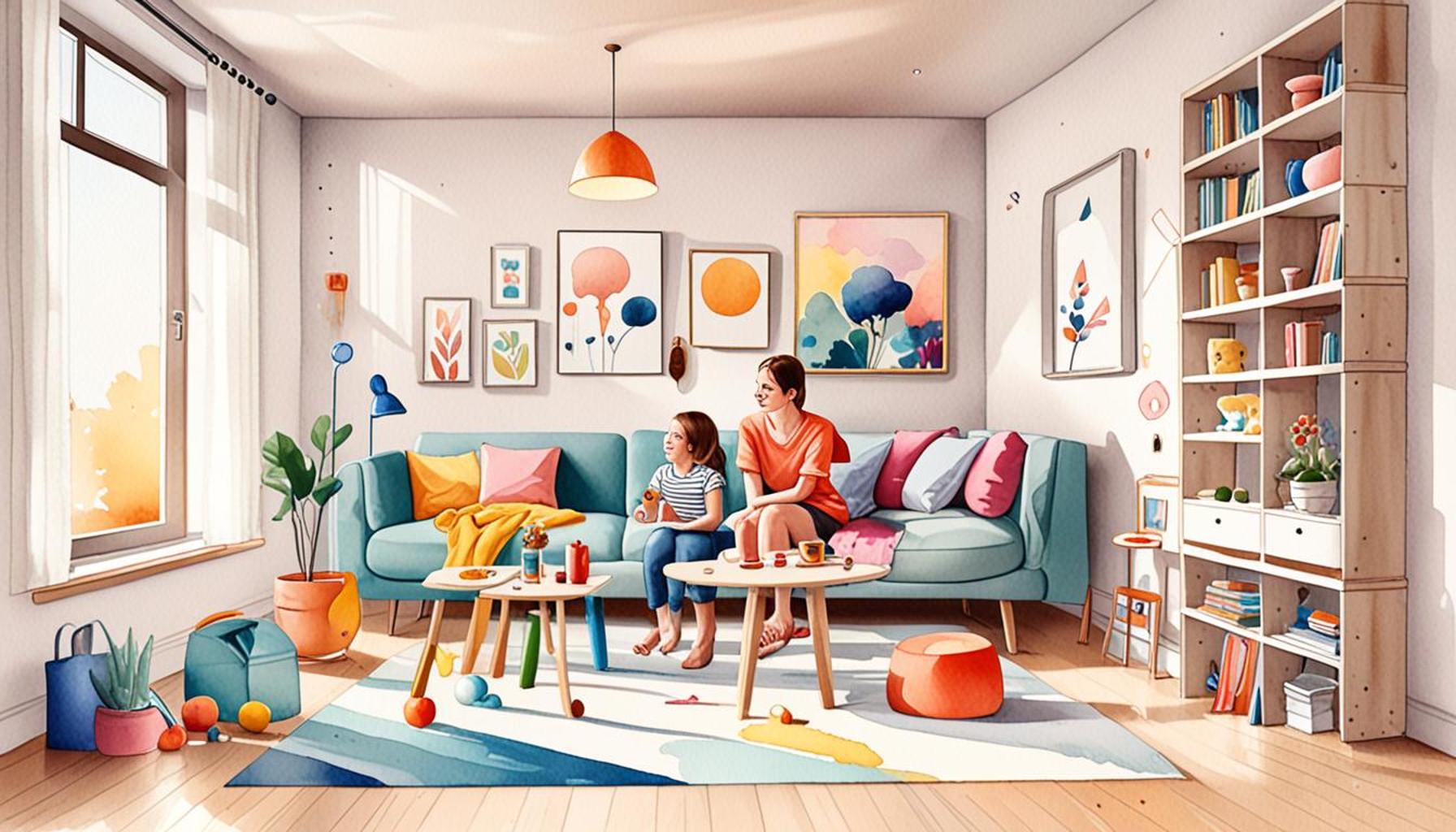
Managing shared spaces within a family can often feel overwhelming, especially when personal items and clutter accumulate in everyday life. However, by applying the principles of minimalist spatial design, families can create environments that are not only conducive to organization but also to a more harmonious lifestyle. This approach emphasizes the significance of simplicity to enhance both the aesthetic and functional aspects of a home.
Clutter Reduction
One of the most effective strategies in minimalist design is clutter reduction. A streamlined environment significantly reduces the mental load for family members. For instance, implementing a “one in, one out” rule can help manage incoming items, ensuring that every new possession has a designated place, thus preventing chaos. An example of this can be found in small family kitchens, where a decluttered countertop allows for easier meal preparation and encourages family interaction. Additionally, research shows that less clutter can lead to decreased anxiety and stress levels, creating a more peaceful atmosphere for all family members.
Multi-functional Furniture
Investing in multi-functional furniture can vastly improve the usability of limited space. A coffee table that doubles as a storage unit or a daybed that can serve as both a couch and a bed can help families maximize their available square footage. Such designs allow shared spaces, like living rooms, to adapt to varying activities, from hosting guests to engaging in family game nights. For example, a foldable dining table that can be expanded during meals but tucked away when not in use can transform a dining area, making it feel more spacious and inviting.
Defined Zones
Creating defined zones within shared spaces is another key element in minimalist design. By establishing specific areas for different activities—such as a reading nook, a homework zone, or a relaxation corner—families can streamline their daily routines and better allocate their time. This method ensures that each family member can enjoy their individual interests without the space feeling cluttered or chaotic. For instance, within a single living room, a cozy corner can be designated for reading, equipped with soft lighting and comfortable seating, while another part can serve as a tech zone for gaming or studying.
Embracing Organization for Well-being
The transformative potential of implementing these minimalist strategies in shared family spaces is profound. Not only do they lead to enhanced functional living environments, but they also contribute to improved emotional well-being. Families who embrace organization often find that their interactions become more positive, as chaos is minimized and peace is prioritized. Furthermore, involving children in the organization process can instill valuable lessons regarding responsibility and the benefits of maintaining a tidy environment.
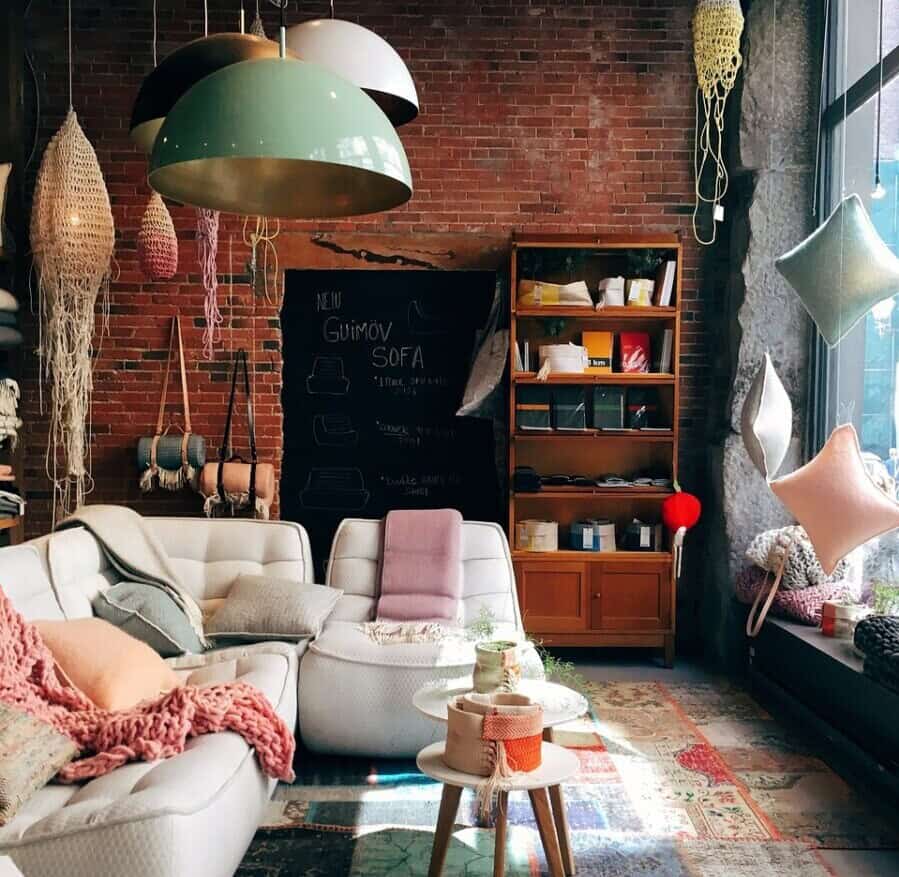
As we explore these strategies further, it becomes evident that a focus on minimalist design can lead families to develop inviting and efficient shared spaces that cater to their dynamic needs. Engaging with these design principles doesn’t just create a visually appealing home; it fosters a lifestyle of balance, functionality, and relaxation, paving the way for an enriched family life.
DISCOVER MORE: Click here to learn about conscious consumption
Practical Tips for Achieving Minimalist Design
Transitioning to minimalist spatial design can feel daunting, especially for families used to the hustle and bustle of life filled with toys, gadgets, and miscellaneous belongings. However, simplicity and organization can be achieved through practical tips that focus on efficiency and functionality. By fostering a communal approach to shared spaces, families can create environments that not only minimize clutter but also enhance daily interactions.
Establishing a Decluttering Routine
A key step in embracing minimalist design is to establish a regular decluttering routine. This involves scheduled times—perhaps monthly or seasonally—where family members come together to sort through belongings, including clothes, toys, and household items. The process can be made enjoyable through family involvement, turning it into a fun activity rather than a chore. Here’s a simple method to follow:
- Assess Each Item: Encourage family members to ask questions like, “Do I use this?” or “Does this bring me joy?”
- Sort Items: Create designated boxes for items to keep, donate, or throw away. This clear categorization helps in visualizing what truly matters.
- Find a Home: Ensure each item has a designated space in the home. Items without a home should be reconsidered for retention.
By integrating this routine, families can foster a sense of ownership and responsibility for their living spaces, while regularly reevaluating the necessity of their belongings.
Smart Storage Solutions
In a minimalist family space, smart storage solutions are crucial for maintaining order. Utilizing vertical space through shelves and wall-mounted organizers can significantly enhance storage without occupying valuable floor space. Here are some innovative strategies to consider:
- Under-Bed Storage: Utilize the often-overlooked space beneath beds for storage bins. This is perfect for seasonal clothing, extra linens, or rarely used toys.
- Multi-functional Containers: Opt for storage that doubles as decor. Decorative baskets can hold children’s toys while contributing to the overall style of the room.
- Labeling Systems: Implement clear labeling for storage boxes, ensuring that everyone knows where items belong, thus making tidying up faster and more efficient.
Smart storage solutions not only maximize the utility of shared spaces but also make it easier for family members to keep the environment organized.
Creating a Family Calendar
In shared spaces, keeping track of each family member’s schedules can be a logistical challenge. Thus, implementing a family calendar can simplify this process drastically. Consider creating a communal calendar, either digital or physical, that everyone can access. It should include:
- Family activities
- Individual commitments (sports, lessons, etc.)
- Household responsibilities (cleaning days, grocery shopping)
By centralizing schedules and responsibilities, families can foster transparency and accountability, which ultimately leads to a more organized and peaceful home life.
As families begin to employ these minimalist strategies, the path to a more organized and serene living environment becomes clearer. Addressing clutter, implementing smart storage, and synchronizing schedules can lay a solid foundation for a balanced and functional family life.
Exploring Minimalist Spatial Design for Families
In today’s fast-paced environment, minimalist spatial design has emerged as a transformative approach for families seeking to optimize their shared spaces. By adopting a simplistic aesthetic that harmonizes function and form, families can find innovative solutions to manage clutter and foster a sense of serenity in their homes. This design philosophy emphasizes the importance of only keeping what adds value to everyday life, enabling families to thrive in well-organized environments.To delve deeper into how minimalist design can benefit families, it is essential to consider its core principles. Firstly, the idea of reducing physical possessions plays a significant role. By decluttering and evaluating which items are truly necessary, families can create more room for interaction and connection. Additionally, minimalist design promotes the use of multipurpose furniture, allowing spaces to serve various functions—be it a play area, workspace, or gathering spot. For instance, a sofa bed or storage ottoman can maximize utility while minimizing visual clutter.Moreover, colors and textures within minimalist design can enhance the emotional well-being of family members. Soft, neutral palettes encourage tranquility, while strategically placed textures invite warmth into shared spaces. By carefully selecting materials, families can create a cohesive atmosphere that resonates deeply with all members. Each element should contribute to a shared sense of belonging and comfort, making the space both functional and inviting.Ultimately, embracing minimalist spatial design fosters not just organizational efficiency but also emotional clarity within family dynamics. As shared spaces become more intentional, family interactions can grow deeper, enhancing connections and understanding. To explore these ideas further, consider how each principle can be applied within your household, and witness the positive impact it can have on everyday life.
| Category | Details |
|---|---|
| Space Optimization | Creates multifunctional areas that cater to diverse family needs. |
| Emotional Well-being | Promotes tranquility and connection through design choices. |
This approach not only focuses on aesthetics but also aims to enrich family relationships by cultivating an environment where everyone feels at ease and engaged. As we continue to explore the elements of minimalist design, families can implement practical strategies to transform their home into a haven of harmony and efficiency.
DISCOVER MORE: Click here to enhance your productivity
Fostering Interaction with Thoughtful Design
While decluttering and organization form the backbone of minimalist spatial design, an equally important aspect is how these choices impact family interactions and daily life. Thoughtful design can harmoniously integrate functionality and family bonding, creating spaces that encourage connection without overwhelming clutter.
Designing Multifunctional Spaces
In homes where space may be limited, multifunctional spaces are essential. These areas serve various purposes, allowing families to utilize their environments efficiently. Consider the following implementation techniques:
- Flexible Furniture: Invest in furniture pieces that can be easily rearranged or transformed. For example, a dining table that expands or collapses can accommodate family dinners or game nights without being a permanent hindrance.
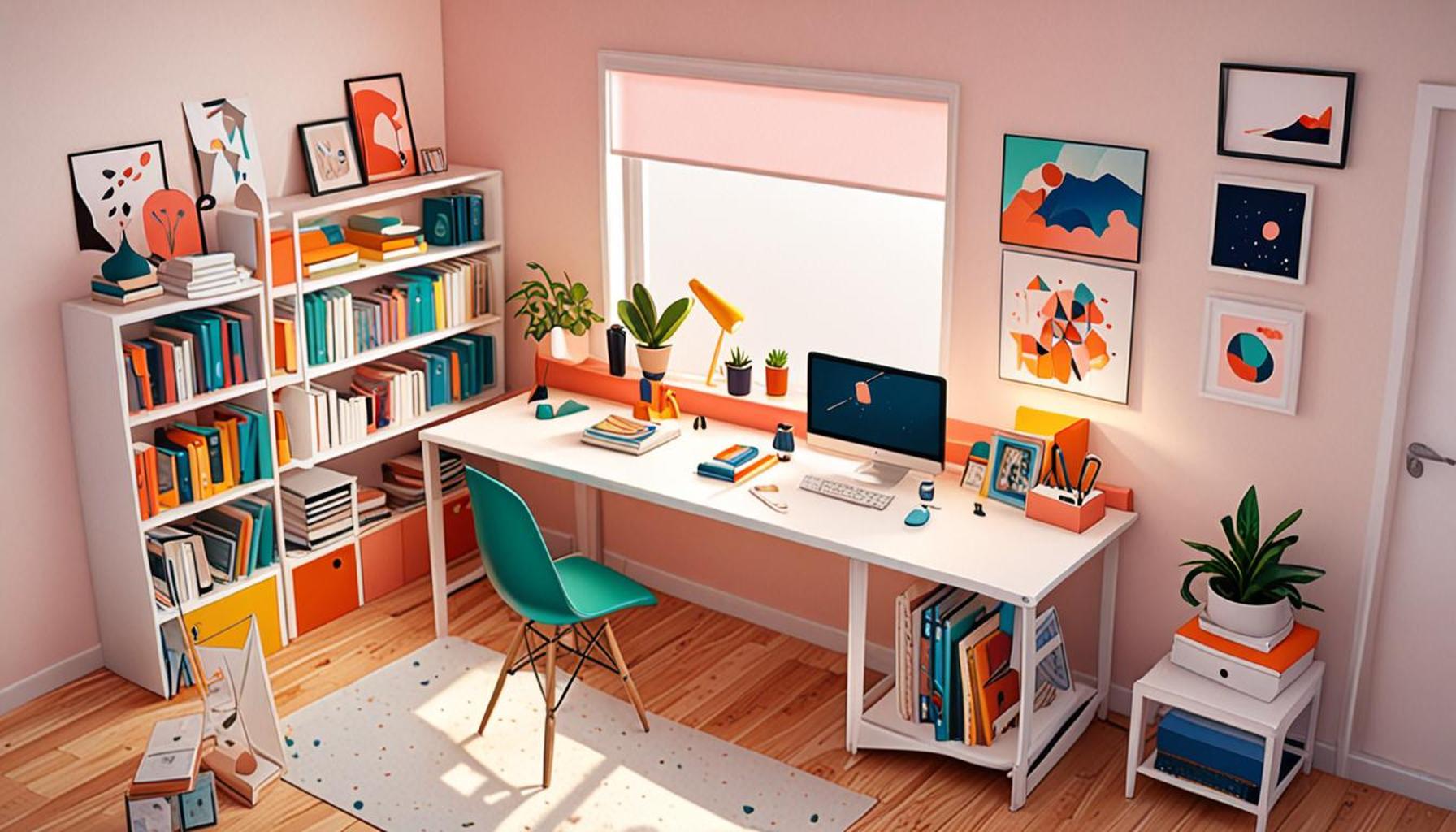
- Convertible Workspaces: Create workstations that can serve both study and craft purposes. A sturdy desk with storage can transition from homework hub to an arts-and-crafts area with ease.
- Open Space Planning: Emphasize open layouts that encourage movement and interaction. A layout where living, dining, and kitchen areas flow together fosters togetherness while ensuring individual activities align harmoniously.
By designing multifunctional spaces, families can adapt their spaces to their evolving needs, assuring that no area feels neglected or overcrowded.
Incorporating Nature for Well-Being
Minimalist spatial design prioritizes serenity and peace, and incorporating elements of nature can significantly enhance the atmosphere. Biophilic design—the practice of connecting people with nature—helps create a calming environment that is particularly beneficial for families. Consider the following elements:
- Natural Light: Maximize natural light by using sheer curtains or strategically placing mirrors. Studies show that natural light can improve mood and productivity, creating a happier environment for family interactions.
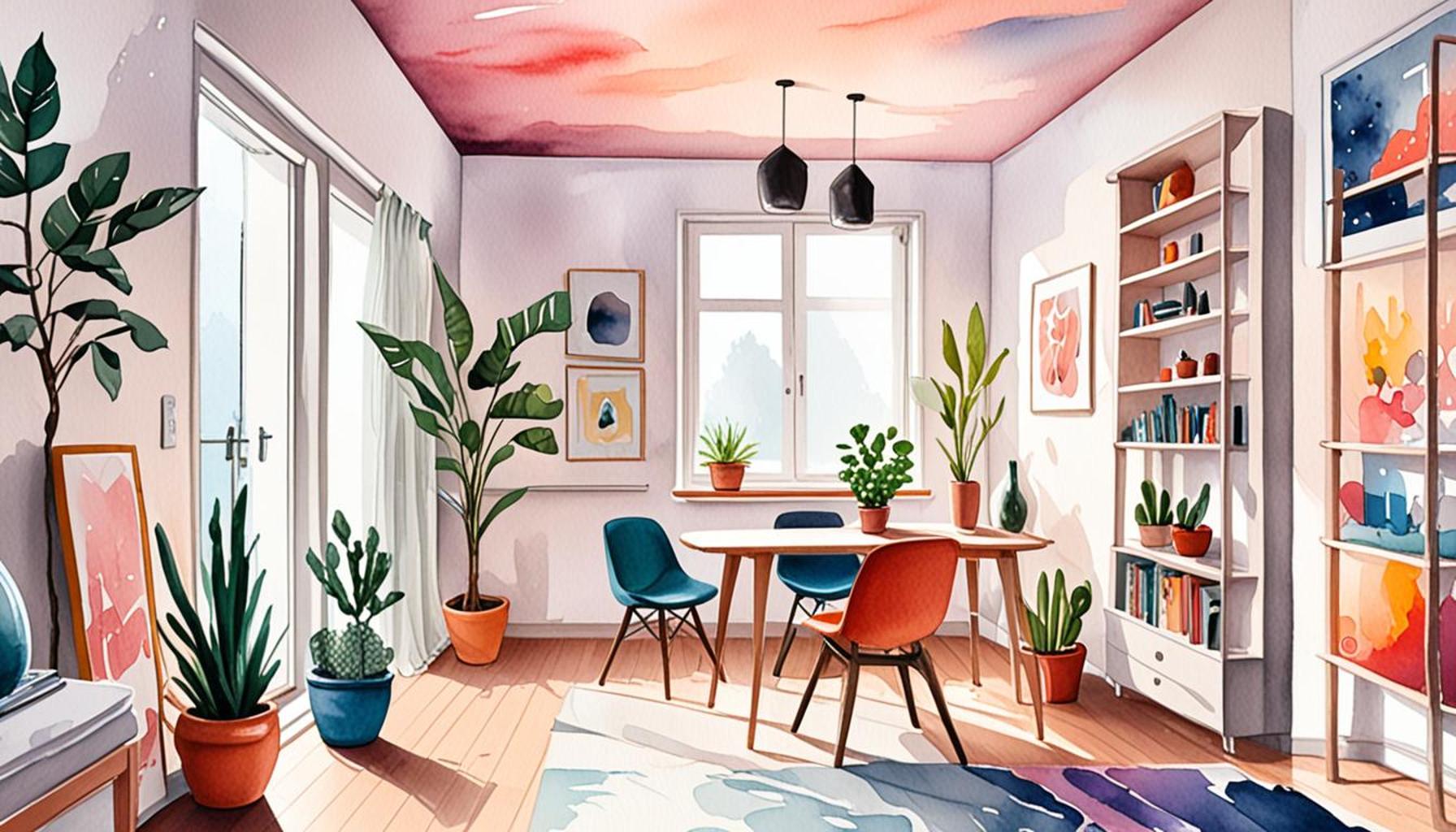
- Indoor Plants: Integrate easy-to-care-for houseplants, such as succulents or snake plants. These can enhance air quality while adding a touch of greenery to communal spaces.
- Natural Materials: Use wood, stone, and other natural materials in your decor. A wooden dining table can evoke warmth and tranquility, encouraging family members to gather around it.
By introducing nature into shared spaces, families can promote well-being and relaxation, which are essential for fostering healthy relationships.
Engaging Family Members in Design Choices
Another critical aspect of minimalist spatial design is involving every family member in the design process. When children and adults alike participate in decision-making, they are more likely to feel a sense of ownership over their shared spaces. Here are a few approaches to engage everyone:
- Family Design Meetings: Organize monthly discussions where everyone can share ideas on room layouts, decor, and organization techniques. This inclusion fosters collaboration and can lead to innovative solutions.
- Personalized Spaces: Allow family members to customize certain areas with their personal touches. A child’s corner can reflect their interests, while adults might prefer a chic reading nook.
- Collaborative Projects: Encourage family DIY projects, such as building shelves or crafting wall art. This adds a sense of pride and accomplishment to the space.
By democratizing the design process, families are likely to create a home that reflects their collective identity while ensuring that each member feels valued and understood.
The synergy of multifunctional spaces, the integration of nature, and family involvement can transform shared areas from mere living quarters into a harmonious environment that enhances the quality of family life. Embracing minimalist spatial design is not just about reducing clutter; it’s about cultivating an atmosphere where connection and shared experiences can flourish.
DISCOVER MORE: Click here to learn about the impact of negative space
Conclusion: Embracing Minimalist Spatial Design for Family Harmony
In an age where lifestyle choices increasingly prioritize well-being, minimalist spatial design emerges as a powerful strategy for families seeking to create more harmonious living environments. By focusing on decluttering and thoughtful organization, families can transform shared spaces into functional zones that promote positive interactions and memorable experiences.
At the core of effective minimalist design lies the concept of multifunctional spaces. By incorporating flexible furniture and open layouts, families can adapt their environments to better meet their evolving needs. This adaptability not only makes efficient use of space but also encourages spontaneous moments of connection, reinforcing the family bond.
Adding elements of nature through biophilic design enhances the atmosphere, fostering tranquility and a sense of peace that is essential for daily interactions. The benefits of natural light and greenery positively influence mood and well-being, allowing family members to thrive in their shared spaces.
Furthermore, engaging all family members in the design process instills a sense of togetherness and ownership over their shared environment. By encouraging collaborative projects and fostering dialogue, families can craft a home that captures their collective identity and nurtures every individual’s preferences.
In conclusion, embracing minimalist spatial design offers families the opportunity to efficiently organize their shared spaces, creating an inviting sanctuary that inspires connections, creativity, and comfort. As families embark on this journey of transformation, they may find that the simplicity and intention behind their design choices bring about deeper relationships and greater fulfillment in their everyday lives.