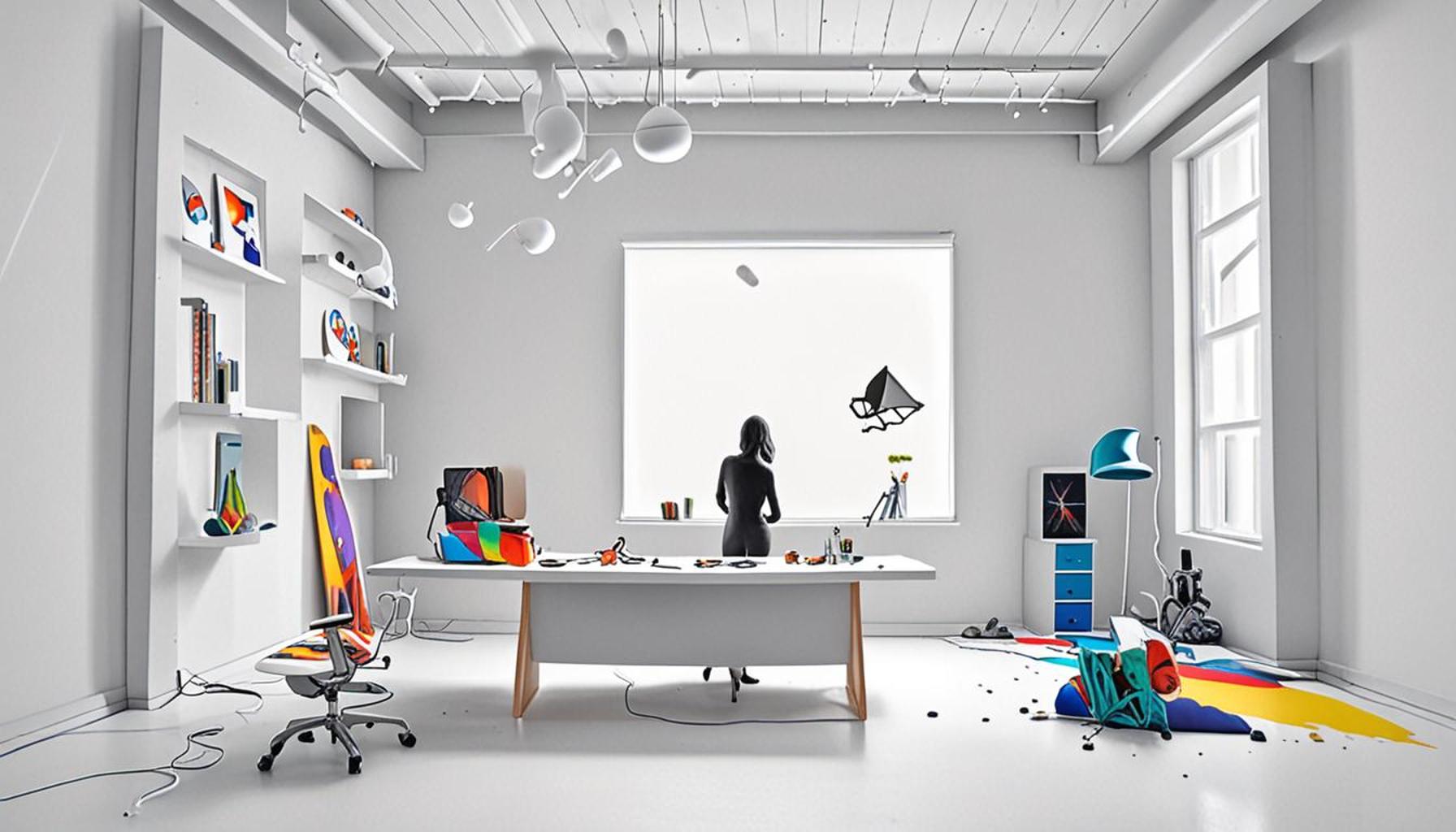
The Art of Letting Go: How Minimalism Increases Your Personal Efficiency

Embracing Minimalism for Enhanced Productivity
In today’s fast-paced world, we often find ourselves overwhelmed by the sheer volume of possessions, commitments, and distractions. This chaotic lifestyle can lead to increased stress and decreased productivity. The shift towards minimalism presents a refreshing approach to regaining control over our lives, allowing for a clearer focus on what truly matters.
Adopting a minimalist lifestyle transcends simply decluttering physical space; it involves a holistic re-evaluation of priorities and streamlining our daily routines for maximum efficiency. Here are some key aspects of minimalism that can significantly boost personal efficiency:
- Focus on Quality Over Quantity: Minimalism encourages individuals to purchase and maintain only what truly matters to them. For instance, instead of owning multiple pairs of shoes, one might invest in a few high-quality pairs that can be worn in diverse situations. This not only reduces decision fatigue but also enhances satisfaction with one’s possessions.
- Reduction of Distractions: A clutter-free environment fosters better concentration and task management. Research shows that physical clutter can distract the brain, making it harder to focus. By simplifying surroundings, such as creating a clean workspace with only the essential tools, individuals can improve their concentration levels dramatically.
- Enhanced Decision-Making: Fewer choices lead to quicker and more effective decisions. A study published in the Journal of Consumer Research indicates that individuals faced with excessive options often experience decision paralysis. By curating a more minimalist approach, individuals can sharpen their decision-making skills, allowing them to respond more decisively in both personal and professional arenas.
Moreover, research consistently indicates that individuals who embrace minimalism report higher levels of happiness and productivity. The act of decluttering—whether it’s physically arranging a living space or digitally organizing files—can contribute to improved mental clarity. By shifting our focus from accumulation to experience, we create room for memories and relationships that genuinely enrich our lives.
The journey towards minimalism is indeed personal and varies from person to person. For some, this may mean creating a capsule wardrobe focused on versatile clothing; for others, it may involve digital decluttering, reducing screen time, and limiting social media engagement. The transformative art of letting go allows individuals to focus more on what they love and what drives their passions. Through this lens, minimalism not only enhances productivity but can also lead to a significantly more fulfilling life.
Ultimately, as we embrace minimalism, we start to uncover the benefits of simplicity in our already complex society, allowing for clearer mindsets and a renewed sense of purpose. With persistent effort and commitment to this lifestyle, one can move towards a more focused, productive, and meaningful existence.
DON’T MISS: Click here to discover effective strategies
Clear the Clutter, Clear the Mind
As we navigate through life, the accumulation of possessions—whether they are tangible items or intangible commitments—can feel insurmountable. This buildup inevitably creates mental clutter, leading to feelings of overwhelm and disorganization. The art of letting go, a cornerstone of minimalism, is essential to reclaiming our mental space and enhancing personal efficiency.
The first step in this process is understanding the psychological impact of clutter. A study by Princeton University Neuroscience Institute reveals that physical clutter competes for our attention and can lower productivity. In practical terms, this means that a crowded desk or an overflowing closet doesn’t just signal disorganization; it may actually impede our ability to focus and manage tasks effectively. By decluttering our immediate environments, we eliminate distractions and create a conducive atmosphere for heightened productivity.
The Benefits of a Minimalist Mindset
Embracing a minimalist mindset involves identifying priorities and aligning our time and resources with those priorities. Here are some benefits highlighted through various studies and anecdotal evidence:
- Increased Focus: With fewer distractions vying for your attention, it becomes easier to concentrate on the task at hand. Research from the University of California, Irvine, found that it takes an average of 23 minutes and 15 seconds to regain focus after interruptions. Minimalism can help you avoid those interruptions altogether.
- Improved Time Management: A streamlined lifestyle means less time spent maintaining and organizing possessions. Minimalists often find that they can allocate more time to pursuits that genuinely matter, leading to enhanced personal growth and satisfaction.
- Stress Reduction: The act of decluttering has been associated with decreased levels of cortisol, the stress hormone. Studies suggest that when individuals have fewer things to worry about, they experience a greater sense of well-being and tranquility.
Moreover, the emotional aspects of letting go cannot be overlooked. Each item we choose to keep ties us to memories, feelings, and sometimes even guilt. Minimalism encourages us to re-evaluate these connections. Instead of holding onto things out of obligation, we learn to appreciate the value of experiences and relationships over material possessions. This shift in perspective not only enhances our emotional well-being but also contributes positively to our personal efficiency.
In the context of modern life, where demands and distractions are abundant, a focus on simplicity can feel revolutionary. By intentionally deciding what stays and what goes, individuals are empowered to shape their environments, consequently optimizing their productivity and focus.
As we dive deeper into the art of letting go, it becomes evident that minimalism isn’t just a trend—it is a transformative practice that has the potential to ignite profound changes in how we live and work. Embracing this philosophy is an invitation to break free from the constraints of excess and step into a life that values clarity and purpose.
The Art of Letting Go: How Minimalism Increases Your Personal Efficiency
Minimalism transcends mere aesthetic; it’s a transformative approach that can enhance personal efficiency in profound ways. By stripping away the clutter—both physical and mental—you create a streamlined environment that fosters focus and clarity. Within this framework, the importance of intentionality emerges as a vital component of minimalist living.
When you consciously choose to eliminate distractions, you provide yourself with the cognitive space required for deep work. This method not only increases efficiency but also cultivates a sense of calm and purpose. Evidence suggests that organizations and individuals adopting minimalist principles report higher productivity rates and greater overall satisfaction in their professional and personal endeavors.
Moreover, minimalism encourages a lifestyle that prioritizes essentialism, where every decision—be it about tasks or possessions—is weighed against its usefulness and value. This refines the decision-making process, allowing individuals to prioritize what truly matters. In a world inundated with choices, the ability to focus on fewer, more important tasks leads to enhanced performance and reduced stress levels.
Incorporating minimalism may also lead to improved time management skills. With fewer obligations and a clearer focus, individuals often find themselves more capable of sustaining attention and completing tasks efficiently. This shift emphasizes quality over quantity, allowing for deeper engagement in projects and relationships.
Ultimately, the commitment to minimizing excess can significantly impact one’s productivity and well-being. Many practitioners of minimalism note that, as they let go of physical possessions and limiting beliefs, they make room for creativity and personal growth. This cultivates an ongoing cycle of improvement, leading to not only achieving efficiency but also paving the way for a more fulfilling life.
| Advantage | Description |
|---|---|
| Increased Focus | Minimalism helps reduce distractions, thus enhancing focus on important tasks. |
| Enhanced Decision-Making | A minimalist approach allows for prioritization of what truly matters, improving decision-making quality. |
DISCOVER MORE: Click here to enhance your space
Mindful Consumption: The Key to Sustainable Minimalism
To truly harness the benefits of minimalism and enhance personal efficiency, it’s essential to incorporate mindfulness into our consumption habits. Rather than impulsively acquiring new items, a mindful approach encourages individuals to consider the purpose and necessity of what they bring into their lives. This technique not only prevents unnecessary clutter but also fosters a greater appreciation for resources.
By adopting a mindful consumption strategy, individuals can redefine their relationship with material possessions. According to a survey conducted by the American Psychological Association, approximately 70% of individuals report feeling increased anxiety when they own too many things. This feeling of being overwhelmed signals the need for a carefully curated selection of items that truly add value to our lives. Embracing this approach means asking critical questions before making purchases: “Is this item essential?” and “Will it enhance my quality of life?”
Digital Minimalism: Decluttering the Virtual Space
Hyper-connected living has resulted in a different type of clutter—digital clutter. Our devices are often overflowing with apps, files, and notifications, which can be just as distracting as physical possessions. Transitioning to digital minimalism involves streamlining our online activities and reducing screen time. A recent study by the Pew Research Center found that 46% of American adults feel overwhelmed by the constant need to check their devices. By limiting notifications and uninstalling unnecessary applications, individuals can significantly improve their focus and productivity.
- Unsubscribing: Start by cleaning out your email inbox. Unsubscribe from newsletters and notifications that no longer provide value. This simple act can free up mental space and help you focus on more pressing matters.
- Organizing Files: Just as we declutter our physical spaces, it’s important to organize digital files. A well-structured folder system minimizes time spent searching for important documents.
- Mindful Social Media Usage: Consider limiting your time on social media platforms. Set specific times for engagement, ensuring that the time spent online is purposeful and not mindless scrolling.
The practice of digital minimalism not only streamlines your virtual workspace but also promotes mental clarity. Recognizing that time is a finite resource empowers you to reclaim hours that may have otherwise been lost to distractions. A study from the University of Massachusetts revealed that people who practiced digital minimalism reported a significant reduction in stress levels, allowing for improved efficiency across various aspects of their personal and professional lives.
The Impact on Relationships and Collaborations
The philosophy of letting go extends beyond physical and digital spaces; it also revolves around nurturing meaningful relationships. Minimalism challenges the misconception that quantity equates to quality. By prioritizing connections that truly matter, individuals can forge deeper relationships while letting go of toxic or unfulfilling ones. This intentional approach to relationships can enhance collaboration, both personally and professionally. According to a Gallup poll, organizations that encourage a minimalist culture of collaboration and genuine connection among teams witness a 21% increase in overall productivity.
As we navigate the complexities of modern living, the essence of a minimalist lifestyle lies in making conscious choices that resonate with our values. Personal efficiency is not only affected by the physical world around us; it’s equally influenced by our digital footprints and interpersonal connections. Embracing minimalism allows us to streamline various facets of our lives, driving us closer to a more productive and fulfilling existence.
DISCOVER MORE: Click here for effective strategies
Conclusion: Embracing Minimalism for a More Efficient Life
In the chaotic landscape of modern living, mastering the art of letting go emerges as a powerful strategy for enhancing personal efficiency. By adopting a minimalist mindset, individuals can clear physical, digital, and emotional clutter that hampers productivity. As explored in this article, embracing mindfulness in consumption allows us to make intentional choices, ensuring that the possessions we keep serve a purpose in our lives. This not only alleviates the stress that accompanies excess but also fosters a deeper appreciation for the resources at our disposal.
Furthermore, the concept of digital minimalism holds transformative potential in our hyper-connected world. By reducing distractions from our devices, we can reclaim valuable time that can be redirected towards meaningful activities, ultimately limiting the sense of overwhelm that often accompanies constant connectivity.
Equally important is the recognition that minimalism extends to our relationships. By fostering authentic connections and relinquishing those that detract from our well-being, we not only improve personal satisfaction but also enhance collaboration and productivity within our professional circles.
Ultimately, minimalism is not merely a lifestyle choice—it’s a comprehensive philosophy that promotes mental clarity and intentional living. By committing to this transformative journey, individuals position themselves for both personal growth and heightened efficiency. In a world that often glorifies accumulation, embracing the principles of minimalism allows us to focus on what truly matters, leading us towards a more fulfilling existence.