
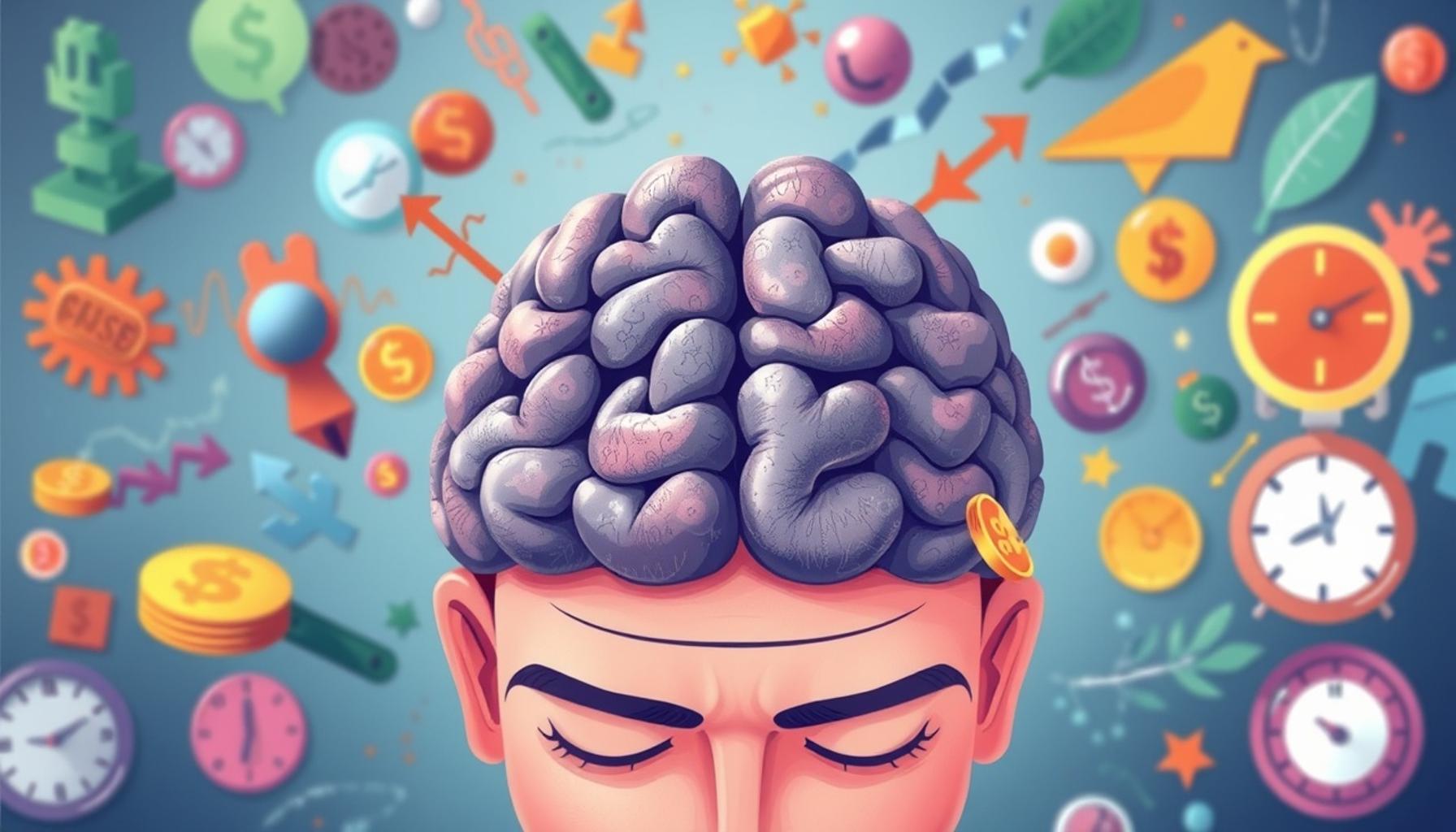
Understanding the Link Between Stress and Scalp Health
In today’s fast-paced world, stress has become an omnipresent issue affecting millions across the United States. As we juggle work, family, and personal demands, many people overlook the hidden impact it can have on our scalp health. Stress doesn’t just take a toll on our mental state; it manifests in ways that can lead to concerning scalp conditions, which may ultimately affect our overall emotional well-being and self-esteem.
Research shows that stress can trigger various scalp issues, including:
- Hair Loss: Conditions like telogen effluvium can cause sudden shedding of hair, resulting in noticeable thinning or patches. This condition occurs when stress pushes hair follicles into a resting phase, leading to increased hair fall several months later. A highly stressful event or prolonged anxiety can lead to such changes, impacting individuals of all ages.
- Scalp Irritation: Anxiety often leads to itchiness and inflammation on the scalp. In extreme cases, constant scratching can exacerbate the irritation, potentially causing infections or more severe dermatological issues.
- Dandruff: Stress can worsen flakiness and overall scalp dryness. The hormonal imbalances caused by stress can lead to an overproduction of oil on the scalp, which can aggravate dandruff when combined with dryness and flaking skin.
These conditions, while they seem physical, are often tied to psychological strain and can create a cycle of stress. For example, experiencing visible hair loss can lead to anxiety about one’s appearance, further exacerbating stress levels. Understanding this connection helps underline the importance of addressing both mental health and scalp care in a holistic manner.
While we can’t entirely eliminate stress from our lives, understanding its effects on our scalp can pave the way for effective management techniques. Practices like mindfulness, yoga, and regular exercise can not only alleviate stress but also promote blood circulation to the scalp, enhancing hair growth and overall scalp health. Furthermore, engaging in healthy eating, particularly diets rich in antioxidants and omega-3 fatty acids, can also support hair and skin health.
In this article, we will explore various strategies to manage stress and enhance scalp health. By learning to identify the signs of stress and its repercussions on your scalp, you can take proactive steps to improve both your mental well-being and the condition of your scalp. Emphasizing self-care routines and consulting with healthcare professionals when needed can lead to a more balanced and fulfilling lifestyle, promoting not just a healthy scalp but a healthier you.
DISCOVER MORE: Click here for healthy hair styling tips
Recognizing the Effects of Stress on Scalp Health
Understanding how stress influences our physical well-being is a crucial first step in tackling the often overlooked consequences on scalp health. Stress affects the body in complex ways, leading to both hormonal shifts and inflammatory responses that can significantly impact the skin on our scalp. When we experience stress, our bodies release cortisol, a hormone that, in excessive amounts, can disrupt our overall homeostasis. This hormonal imbalance not only affects our mood but also how our skin, including our scalp, operates.
It’s essential to recognize the particular ways in which stress can manifest on the scalp. Here are some common stress-related scalp issues that many may encounter:
- Increased Oil Production: Stress can stimulate the sebaceous glands to produce more oil, leading to a greasy scalp. This excess oil can trap dirt and dead skin cells, creating an environment conducive to conditions like dandruff or seborrheic dermatitis.
- Altered Hair Growth Cycles: The stress response can disrupt the normal hair growth cycle, causing more hair to enter the shedding phase than usual, which may result in noticeable thinning or bald patches.
- Skin Sensitivity: Those under prolonged stress may find that their scalp becomes increasingly sensitive. This heightened sensitivity can lead to discomfort, heightened reactions to hair products, and trapped sensations that worsen as stress levels rise.
This relationship between stress and our scalp health creates a feedback loop: not only can stress lead to visible issues with the scalp, but those very issues can, in turn, increase stress levels. For example, individuals facing hair loss may become self-conscious about their appearance, further intensifying their anxiety. This cycle underlines the importance of taking a proactive approach to both managing stress levels and caring for our scalps.
Moreover, it is vital to understand the role of lifestyle choices in influencing both stress levels and scalp condition. Implementing simple yet effective daily routines can significantly enhance scalp health while reducing stress. Techniques such as regular exercise, which not only benefits physical health but also boosts endorphins to improve mood, can promote healthy circulation in the scalp, potentially aiding in hair growth. Mindfulness practices like meditation and yoga can also quiet the mind, leading to lower stress levels, which can result in a healthier scalp.
Recognizing these connections is the first step towards a more comprehensive strategy aimed at fostering both mental peace and scalp wellness. As we delve deeper into effective management techniques, it’s clear that achieving balance in these areas can promote a holistic sense of well-being.
Stress has become an integral part of our daily lives, significantly impacting our overall well-being and, remarkably, our scalp health. When we undergo prolonged periods of stress, our body responds by overproducing cortisol, a hormone that, in excess, can lead to inflammation and a variety of skin and scalp issues. Understanding this connection is crucial for anyone looking to manage or improve their scalp health effectively.Several studies indicate that high levels of stress can contribute to conditions such as seborrheic dermatitis, which appears as flaky, greasy patches on the scalp. Additionally, stress has been linked to telogen effluvium, a condition where hair falls out more rapidly than normal. Managing stress effectively is, therefore, essential—not just for mental health, but also for maintaining a healthy scalp and promoting hair growth.To combat stress, techniques such as mindfulness and meditation can be incredibly beneficial. Engaging in regular physical activity or yoga helps to release built-up tension, improve blood circulation, and consequently nourish the scalp. Additionally, scalp massages can directly address tension by increasing blood flow to hair follicles, allowing for a healthy scalp environment.On the nutritional front, incorporating foods rich in omega-3 fatty acids, antioxidants, and vitamins can enhance scalp health. Avoiding processed foods high in sugar can also reduce inflammation, contributing to a healthier scalp. Understanding and implementing these strategies allow individuals not only to tackle the symptoms of stress on their scalp but also to build resilience against future stressors.Furthermore, seeking professional help, such as therapy or counseling, can be an effective way to manage underlying stress and its impacts on health. Various dermatological treatments, including medicated shampoos and topical treatments, can be explored to address scalp conditions exacerbated by stress.As you delve deeper into the connection between stress and scalp health, consider exploring how lifestyle adjustments can lead to a balanced approach in managing both effectively. The importance of addressing stress holistically opens a pathway to better scalp conditions, showcasing that mental and physical health are intricately linked.
LEARN MORE: Click here for more information
Effective Strategies for Managing Stress and Scalp Health
Understanding the intricate link between stress and scalp health opens the door to innovative management strategies that can lead to significant improvements. By employing a multi-faceted approach that addresses both mental well-being and scalp care, individuals can experience a profound transformation in their overall health.
1. Nutrition Matters
The foundation of both scalp health and stress management lies in proper nutrition. A diet rich in omega-3 fatty acids, antioxidants, and vitamins can nourish the scalp from within. Foods such as salmon, walnuts, and leafy greens not only support hair growth but also combat oxidative stress in the body. Furthermore, incorporating probiotics through yogurt or fermented foods can foster gut health, which is intricately linked to mood and skin conditions. Research suggests that a balanced diet can reduce anxiety, which in turn can alleviate scalp-related issues.
2. Scalp Massage: A Natural Stress Reliever
Integrating scalp massages into one’s self-care routine can serve dual purposes: enhancing blood circulation to the scalp while simultaneously promoting relaxation. Studies have shown that scalp massage can increase hair thickness and reduce tension, making it a simple yet effective technique for improving both hair health and emotional well-being. Using essential oils like lavender or peppermint during a massage can further elevate the experience, as these oils are renowned for their calming effects.
3. Mindfulness and Breathing Techniques
Mindfulness practices such as deep breathing or progressive muscle relaxation can effectively lower cortisol levels. Taking just a few minutes each day to focus on your breathing can create a calming effect on the mind, subsequently impacting the health of your scalp. Breathing exercises that activate the parasympathetic nervous system can foster a sense of peace, allowing for better management of stress-induced scalp conditions.
4. Quality Hair Care Products
It is equally important to choose hair care products wisely, as these can greatly affect scalp health. Opting for gentle, sulfate-free shampoos and conditioners can prevent further irritation, especially for those with sensitive scalps. Ingredients like aloe vera, tea tree oil, and chamomile are known for their soothing properties and can be beneficial in alleviating stress-related scalp conditions. Regular exfoliation of the scalp can also help remove any buildup caused by stress-related oil production.
5. Seeking Professional Guidance
For individuals experiencing severe scalp issues or stress-related disorders, seeking guidance from professionals can make a substantial difference. Dermatologists and licensed therapists can offer tailored approaches, from topical treatments to cognitive behavioral therapy, supporting individuals in navigating their unique challenges. Clinics specializing in hair and scalp health can also provide treatments such as laser therapy or topical medications that target specific concerns.
By acknowledging the intricate connection between stress and scalp health, individuals can embrace a holistic approach to wellness. Fostering an understanding of these interconnected aspects empowers individuals to take actionable steps towards enhancing their physical appearance while strengthening their mental resilience.
DISCOVER MORE: Click here to enhance your hair care routine
Conclusion: Taking Control of Stress and Scalp Health
In conclusion, the relationship between stress and scalp health is profound and complex, highlighting the importance of a holistic approach to well-being. By recognizing that stress not only affects mental health but also manifests physically through scalp conditions, individuals can proactively manage both aspects more effectively. Utilizing strategies such as nutritious diets rich in omega-3s and antioxidants, engaging in regular scalp massages, and practicing mindfulness techniques allows for a comprehensive treatment plan tailored to individual needs.
Moreover, the conscious selection of gentle hair care products, combined with professional guidance when necessary, serves to optimize scalp health further while addressing underlying stress. As awareness grows about the interplay between emotional and physical health, it becomes increasingly clear that finding balance is key. Taking small steps toward improving nutrition, incorporating relaxation techniques, and seeking appropriate treatments can lead to significant improvements, not only in hair and scalp conditions but also in overall quality of life.
As you navigate through the challenges of modern living, remember that investing in both your mental and scalp health is essential. The journey toward holistic wellness is not merely about appearance; it is a reflection of self-care and self-respect. So take the time to explore these strategies further; your scalp—and your mind—will thank you.