The Influence of Minimalist Spatial Design on Personal Organization in Work Environments
Redefining Workspaces
In today’s fast-paced world, the design of our work environments is increasingly recognized as a critical element influencing both productivity and personal organization. This has led to a growing inclination towards minimalist spatial design, a trend that highlights the need to cut through the clutter, promoting not only physical simplicity but also mental clarity. The adoption of minimalism in workplace design reflects a fundamental shift in how we approach our professional setups, often transforming entire office cultures.
Key Elements of Minimalist Design
- Clean Lines: Minimalism emphasizes simple shapes and structures that create a sense of order and tranquility. For instance, office furniture with straight geometrical lines helps eliminate visual noise, contributing to a more serene work environment.
- Neutral Color Palettes: Soft and muted colors are favored in minimalist design since they foster calmness and reduce distractions. Shades like soft grays, whites, and earthy tones can create a soothing atmosphere that encourages focus and creativity.
- Functional Furniture: Multi-purpose furniture is a hallmark of minimalist design. Desks that can be easily reconfigured for collaborative work, or storage solutions that maintain tidiness while holding essential supplies, optimize space and simplify organization in the workplace.
The transition towards this aesthetic is not merely about visual appeal; it signifies a deeper understanding of how environments affect employee behavior. Many organizations that have embraced minimalist designs have reported notable shifts in employee productivity and morale. The emphasis on decluttered environments leads to enhanced focus and efficiency. By providing spaces that encourage prioritization, minimalism allows individuals to hone in on what truly matters in their workspaces.
Impact on Personal Organization
Embracing a minimalist approach can significantly enhance one’s ability to manage tasks effectively. Research indicates several benefits tied to such designs:
- Reduce stress levels: A less cluttered environment has been shown to lower cortisol levels—hormones associated with stress—allowing employees to work more comfortably.
- Improve time management: A well-organized workspace empowers individuals to allocate their time efficiently, minimizing chaos and confusion that often accompany a cluttered desk.
- Encourage better communication among team members: Open and airy workspaces foster collaboration by reducing barriers, promoting an atmosphere where sharing ideas becomes effortless.
Delving deeper into the implications of minimalist design reveals an intriguing relationship between minimalism and personal effectiveness. As organizations continue to explore these concepts, they may uncover transformative strategies that reshape work life and enhance overall performance. For professionals aiming to thrive in such environments, understanding and embracing these minimalist principles could be the key to unlocking their full potential.
DISCOVER MORE: Click here to enhance your workspace
Enhancing Focus and Clarity
The integration of minimalist spatial design within professional settings has proven to do more than just create aesthetically pleasing workplaces; it fundamentally alters the way individuals perceive and manage their tasks. The correlation between a clutter-free environment and heightened organizational capabilities cannot be understated. Studies have suggested that surroundings characterized by simplicity and order can lead to improvements in concentration and a reduction in mental fatigue, allowing employees to engage fully with their work.
The Psychology Behind Minimalism
Central to the effectiveness of minimalist design is its psychological impact. A cluttered workspace can be detrimental to cognitive processing, frequently overwhelming employees with sensory overload. In contrast, a minimalist aesthetic promotes a sense of peace, which has been shown to activate a more productive state of mind. According to researchers, employees working in environments that feature minimalist design principles tend to experience greater mental clarity, which directly correlates with improved decision-making and creativity.
- Visual Hierarchy: Minimalist spaces often create a clear visual hierarchy, helping individuals prioritize tasks by focusing their attention on key elements. This organization assists in navigating complex workflows without feeling distracted by excess visual stimuli.
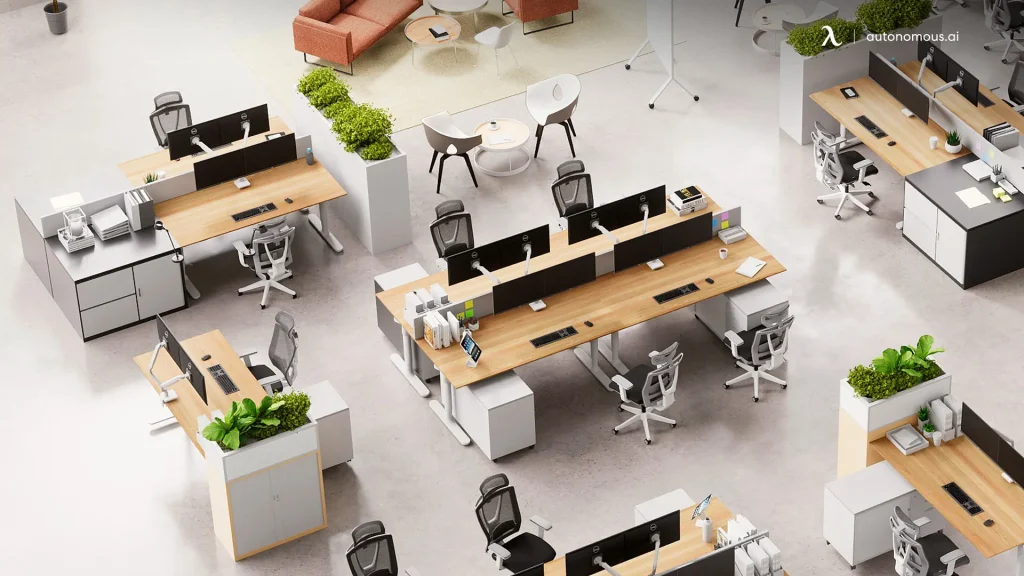
- Intentional Layout: Thoughtfully arranged furniture and equipment reduce the time spent searching for essential tools, facilitating smoother transitions between tasks. Open spaces allow for fluid movements, which in turn promote positive interactions and collaboration among team members.
- Personalized Organization: With fewer physical distractions, employees are encouraged to create personalized organizational systems that align with their work styles. This approach fosters a sense of ownership and accountability over the workspace, enhancing both motivation and efficiency.
Organizations that have adopted these design principles not only witness changes in employee productivity but can also observe a shift in overall workplace culture. Encouraging flexibility in task execution fosters an atmosphere where creativity thrives and innovation is celebrated. Such dynamics can prompt long-lasting shifts in how teams collaborate and communicate, ultimately leading to greater achievements.
Case Studies and Real-World Examples
Several companies in the United States have embraced minimalist spatial design with impressive results. For instance, tech giants like Apple and Google have designed their offices with open spaces and minimal clutter, prioritizing natural light and simple furnishings. These organizations report increased collaboration, with employees feeling more satisfied and less stressed in their work environments.
In conclusion, the embrace of minimalist spatial design is not just an aesthetic choice but a strategic decision that can refine personal organization within work environments. The psychological benefits derived from such designs can empower employees to focus, innovate, and ultimately transform their professional lives. As businesses continue to recognize the profound influence of these spaces, they pave the way for a more organized and efficient work culture.
The Role of Minimalist Design in Enhancing Focus and Productivity
The minimalist spatial design is more than just a trend; it’s a pivotal approach that profoundly impacts personal organization in work environments. By eliminating unnecessary clutter, employees can enjoy a clearer visual landscape that promotes enhanced focus and cognitive function. This can be particularly beneficial in high-pressure scenarios where concentration is paramount. Research indicates that a streamlined workspace not only decreases distractions but also improves overall morale, as individuals feel more in control of their environment.
Spatial Arrangement and Workflow Efficiency
When spatial design adheres to minimalist principles, the arrangement of workstations and collaborative areas allows for smoother transitions between tasks. A well-planned layout reduces the time spent searching for materials and promotes efficient workflows. Studies show that environments optimized for minimalist design facilitate quicker decision-making processes, enabling teams to respond swiftly to challenges and make significant progress toward their goals. By intentionally structuring spaces, organizations can cultivate an atmosphere that encourages creativity while maintaining structure—a balance crucial in today’s fast-paced work culture.
Psychological Benefits of Minimalism in Workspaces
A minimalist workspace often translates to mental clarity. The psychological benefits of decluttered spaces manifest in reduced anxiety and improved emotional wellbeing. Employees report feeling less overwhelmed when surrounded by a simple design, allowing them to allocate their energy toward productive tasks. Moreover, integrating elements such as natural light and plants, common in minimalist designs, has shown to elevate mood and creativity, further enhancing personal organization. The connection between mental health and workspace design opens avenues for organizations to prioritize employee wellbeing through thoughtful environmental choices.
Adaptive Minimalism for Diverse Work Styles
The principles of minimalist spatial design adapt effectively to various work styles. Open spaces can foster collaboration, while designated quiet areas provide solitude for focused work. This duality allows organizations to cater to the distinct preferences of their workforce. By adopting minimalist elements tailored for both teamwork and individual tasks, companies can ensure heightened satisfaction and productivity across diverse roles. Emphasizing adaptability in design empowers employees to optimize their environment according to their personal organizational strategies, leading to increased engagement and loyalty.
| Advantages | Description |
|---|---|
| Enhanced Focus | Minimalism reduces distractions helping employees concentrate more effectively. |
| Increased Workflow Efficiency | Streamlined designs facilitate smoother transitions and quicker decision-making. |
| Improved Mental Wellbeing | Decluttered spaces promote emotional wellness, reducing anxiety. |
| Adaptable for Diverse Roles | Designs cater to both collaboration and individual focus needs. |
DIVE DEEPER: Click here for effective strategies to declutter your workspace
Fostering Collaboration and Communication
In addition to enhancing focus and personal organization, minimalist spatial design significantly impacts collaboration and communication within teams. By stripping away unnecessary elements and creating open environments, companies can facilitate better interactions among team members. This openness does not only encourage spontaneous discussions but also promotes a culture of teamwork and community, critical components of success in modern work environments.
The Role of Open Spaces
Open spaces are one hallmark of minimalist design that can transform workplace dynamics. Unlike traditional cubicle setups, which often isolate employees, open offices create a transparent atmosphere where communication flows freely. This layout allows for quick exchanges of ideas, resulting in a more agile response to projects and tasks. For example, companies that have embraced open office concepts, like Salesforce and Adobe, have noted a marked increase in both team collaboration and project outcomes.
- Break Down Silos: With fewer physical barriers between departments, teams can collaborate more effectively. This breakdown of silos facilitates knowledge sharing and encourages a holistic approach to problem-solving.
- Flexible Workstations: The introduction of unassigned seating or collaborative pods allows employees to choose their workspace according to their current task. This adaptability can lead to improved morale and greater innovation as individuals have the freedom to interact in different ways.
- Natural Integration of Technology: Minimalist spaces often incorporate technology seamlessly into the work environment. Smart boards, video conferencing equipment, and integrated communication tools are designed to be accessible, enabling teams to collaborate more efficiently, regardless of where they are physically located.
Moreover, the minimalistic environment minimizes distractions, enabling employees to engage in meaningful conversations without the interruptions characteristic of cluttered spaces. This design philosophy also aligns with the increasingly mobile nature of work, where employees are often required to communicate across various platforms and locations. Companies such as WeWork have thrived with this approach, illustrating how environments that emphasize simplicity can also enhance connectivity and communication.
The Influence of Nature in Minimalism
Another critical aspect of minimalist spatial design that influences personal organization is the incorporation of natural elements. The concept of biophilic design, which integrates organic materials and natural light into minimalist spaces, has gained traction in recent years. Research indicates that exposure to nature can boost productivity, creativity, and overall well-being, fostering an atmosphere conducive to both focus and collaboration. This dual functionality of minimalist design is what makes it especially effective in modern workplaces.
- Sustainable Design: Many companies are investing in sustainable practices that not only enhance their aesthetic but also improve employee experience. Natural materials, greenery, and even water features can create a calming ambience that reduces stress and fosters a sense of belonging.
- Light and Space: Large windows and open layouts that allow ample natural light can dramatically impact mood and energy levels. Workers in such environments often report feeling more alert and engaged, leading to better organizational skills and efficiency.
- Balance of Space Utilization: Minimalist designs promote a careful balance between shared spaces for collaboration and private areas for focused work. This consideration of employee needs ensures that there are options for everyone, encouraging both interaction and quiet reflection.
As businesses pay closer attention to how their physical spaces can shape behaviors and attitudes, the focus on minimalism is likely to remain at the forefront of workplace design. Organizations that prioritize minimalist spatial design not only enhance personal organization and productivity but also cultivate an environment rich in collaboration, ensuring that employees can thrive in their professional roles.
DISCOVER MORE: Click here
Conclusion
In summary, minimalist spatial design has emerged as a pivotal element influencing personal organization and overall productivity in work environments. By channeling simplicity and functionality, this design philosophy not only enhances focus but also cultivates a collaborative atmosphere essential for modern workplaces. The integration of open spaces, flexible workstations, and seamless technology fosters better communication, breaking down silos among teams and encouraging the free flow of ideas.
Moreover, the incorporation of natural elements in minimalist spaces—like biophilic design—adds an extra layer of sophistication that cannot be overlooked. The calming effects of greenery, natural light, and sustainable materials contribute to improved mood and enhanced creativity, directly impacting how individuals organize tasks and manage their time. Companies like Salesforce and WeWork exemplify the benefits of this approach, highlighting its relevance in today’s fast-paced professional landscape.
As organizations increasingly recognize the importance of creating environments that promote well-being, collaboration, and efficiency, a strong commitment to minimalist spatial design will likely become a foundational strategy. Embracing this trend enables businesses to not only boost personal organization among employees but also to foster a culture of innovation and community. The evolution of workspace design towards minimalism is not merely about aesthetics; it represents a holistic approach to maximizing human potential in the workplace.