The Power of White Space: How Reducing Visual Stimuli Can Increase Concentration and Efficiency
The Importance of Clarity in Design
In a world inundated with visual information, individuals often find themselves overwhelmed by the sheer amount of data bombarding them daily. From the incessant alerts of social media notifications to the information-heavy websites we browse, visual stimuli saturate our lives. This bombardment can lead to distractions that hinder not only our focus but also our overall efficiency and productivity.
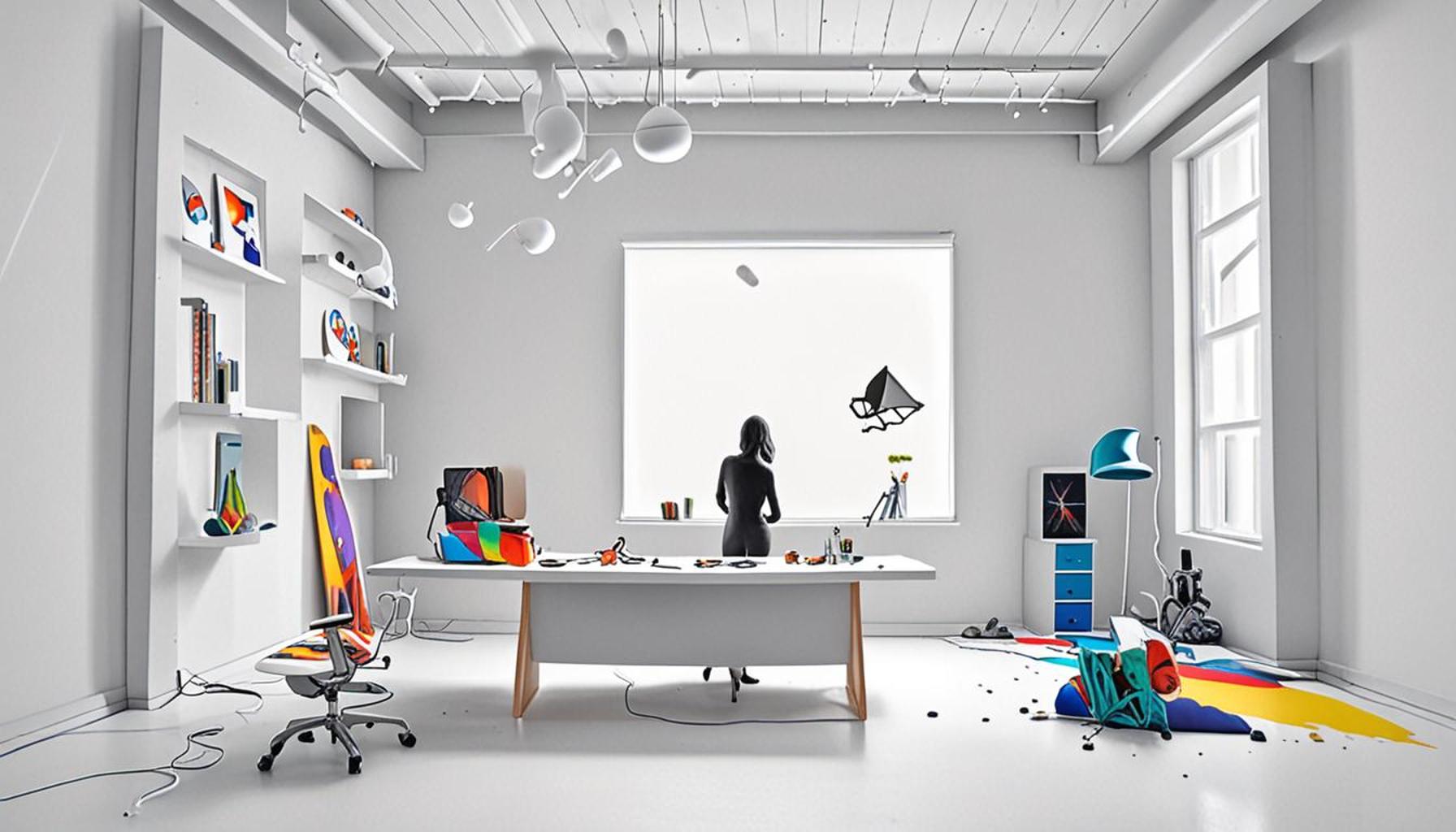
One powerful remedy to this challenge is the intentional use of white space in design. White space, often referred to as negative space, is the area of a page left unmarked: it’s the breathing room that allows content to breathe, engage, and be more effective. By stripping away unnecessary visual elements, we can cultivate environments that enhance clarity and streamline our mental processes.
Key Benefits of Utilizing White Space
Understanding how to leverage white space can unlock various advantages, including:
- Increased Focus: A clutter-free environment fosters a deeper concentration on tasks. For instance, a minimalistic layout in a project management tool enables users to focus on the task at hand without the distraction of extraneous items vying for attention.
- Enhanced Readability: Adequate white space around text and images improves comprehension. Consider popular blogging platforms; they effectively utilize margins and line spacing to guide readers through lengthy articles, markedly enhancing the overall reader experience.
- Improved Aesthetics: Clean, well-structured designs often carry impressions of professionalism and sophistication. Look at leading brands like Apple or Google; their commitment to simplicity and elegance demonstrates how design choices can influence consumer perceptions dramatically.
Analyzing the layout of successful websites and applications reveals a common thread of white space integration. This background space not only leads the user’s eyes but also serves as a guide for their interactions within the digital landscape. It’s not merely an aesthetic choice; it’s a fundamental design principle that significantly enhances user experiences.
Practical Applications of White Space
As we further explore the power of white space, it becomes clear that reducing visual clutter can dramatically heighten concentration and optimize efficiency. For instance, in office spaces, incorporating ample white space through organized layouts can lead to better employee productivity. Desk arrangements with room to breathe allow for a more thoughtful approach to tasks, minimizing the anxiety that can accompany overcrowded environments.
Understanding the implications of white space could reshape how you perceive your workspace or digital environments. Consider evaluating your social media feeds, the apps on your phone, or even the physical office where you work. Do they utilize white space effectively? Making small adjustments, such as segmenting information into clearer blocks or minimizing unnecessary visual noise, could lead to remarkable improvements in clarity and productivity.
In conclusion, the emphasis on white space in design is not just a fleeting trend—it’s a transformative approach that encourages focus, enhances readability, and promotes a professional aesthetic. Embracing this principle can lead to an enriched experience, whether in online browsing, content creation, or office layouts.
DISCOVER MORE: Click here to dive deeper
The Impact of White Space on Productivity
The connection between white space and productivity is becoming increasingly evident in both physical and digital workplaces. As companies re-evaluate their environments to adapt to the demands of remote work and hybrid models, the design of spaces and tools takes center stage. White space, in this context, does not merely evoke aesthetic appeal; it serves as a critical component in fostering a conducive work atmosphere.
Consider the visual landscape of a busy office. Desks crammed with paperwork, gadgets, and visual distractions can quickly overwhelm employees, leading to cognitive overload. A study published in the Journal of Environmental Psychology highlighted that employees in cluttered environments exhibited higher stress levels and lower productivity compared to those working in spaces characterized by the strategic use of white space. This discovery underlines the notion that a well-organized workspace can lead to a calmer mind, enabling employees to tackle their tasks with renewed focus.
Transformative Workplace Strategies
Implementing white space in your work environment can take various forms, each tailored to maximize both comfort and efficiency. Here are some transformative strategies that leverages the power of white space:
- Decluttered Desks: Encourage employees to maintain clear desks by reducing physical clutter. This practice can include providing adequate storage solutions and promoting the use of digital documents to minimize paper usage.
- Open Layouts: Embrace open office concepts that allow for unimpeded movement and communication while still incorporating areas with white space where employees can escape for focused work or brainstorming sessions.
- Strategic Use of Color: When designing office spaces, integrate colors that complement the white space rather than detract from it. Subtle, calming hues next to white walls can instill a sense of tranquility, further enhancing concentration.
Exploring how these strategies materialize can lead to enhanced employee engagement. Companies like Dropbox and HubSpot exemplify the importance of blending open areas with tranquility, effectively utilizing white space to create environments that foster innovation and collaboration. Such design decisions do not just improve aesthetics—they cultivate a culture of productivity.
The conversation around white space also extends into the digital realm. For instance, when designing websites or applications, employing ample white space can guide user interactions seamlessly. A well-spaced layout on e-commerce platforms can direct potential customers’ attention to essential products or options, resulting in lower bounce rates and increased conversions. This principle is supported by a study from Google Research, which found that users are more likely to engage with content that is easy to navigate, thanks to adequate spacing.
Recognizing the multifaceted benefits of white space—from physical spaces to digital interfaces—urges creators and designers to rethink their approaches. Not only does this practice enhance user engagement, but it also contributes to a healthier, more productive environment—whether in a bustling office or a quiet home workspace.
| Advantage | Details |
|---|---|
| Enhanced Focus | Utilizing white space in design directs attention to key elements, eliminating distractions. |
| Increased Efficiency | By minimizing visual clutter, individuals can process information faster and make more effective decisions. |
| Improved Mental Clarity | A clean layout promotes calmness, allowing users to think more creatively and critically. |
| Better User Engagement | Reducing visual stimuli enhances user experience, ensuring content is prioritized and easily remembered. |
Incorporating the principles of white space is not merely an aesthetic choice; it fundamentally influences cognitive processes. For instance, businesses see higher conversion rates when their websites employ ample white space, resulting in visually appealing and engaging user interfaces. Furthermore, workplace environments that embrace white space can lead to higher employee satisfaction and productivity, as individuals feel less overwhelmed and more in control of their tasks. Research indicates that a clutter-free design aids in memory retention, allowing for better recall of information and ideas. Ultimately, applying these concepts can transform environments—both digital and physical—into spaces that foster profound levels of concentration and efficiency.
DISCOVER MORE: Click here to enhance your efficiency
The Psychological Effects of White Space
The role of white space extends beyond physical layout and design; it also has significant psychological implications for those interacting with environments and materials where it is employed. Research from the American Psychological Association indicates that environments with sufficient white space can create a calming ambiance, which directly relates to decreased anxiety and increased cognitive function. This is particularly crucial as mental well-being is heavily linked to productivity levels in today’s fast-paced world.
For instance, environments that incorporate white space help to reduce sensory overload, allowing individuals to process information more effectively. In a study published in the Journal of Consumer Research, participants exposed to designs with ample white space reported a greater understanding and retention of information compared to those engaged with cluttered layouts. These findings highlight that consumers and employees alike are more likely to engage with and remember well-structured content, further emphasizing the significance of minimalism in design.
Enhancing Learning through White Space
The educational sector is starting to embrace the advantages of white space to foster better learning conditions. Classrooms designed with appropriate amounts of white space have been linked to improved focus among students. Less visual clutter allows students to better absorb lecture content and activates their creative thinking, as supported by a study conducted by the University of Illinois. This study found that students learning in environments with strategic white space demonstrated higher retention rates in subjects requiring critical thinking skills.
Notably, interactive digital learning platforms are increasingly employing white space to create engaging user experiences. The effective use of white space on education websites not only encourages exploration but also allows learners to navigate materials without feeling overwhelmed. Educational leaders are beginning to realize that reducing visual stimuli can play a fundamental role in facilitating more engaging and successful educational outcomes.
Corporate Wellness Programs with a Focus on White Space
Organizations are beginning to revise their corporate wellness programs, incorporating principles of white space not just in office design, but within their overall approach to employee well-being. Companies like Google have established wellbeing initiatives that prioritize mental health, integrating quiet rooms or relaxation areas—spaces rich in white space—to promote mindfulness and reduce stress. In such settings, employees can take breaks to decompress or engage in light reflection, ultimately enhancing their focus upon returning to work tasks.
The return on investment for implementing these white-space-centered strategies can be substantial. According to a report from the Harvard Business Review, organizations investing in employee wellness programs that consider environmental factors like white space see an average increase of 12% in productivity. This underscores the argument that creating spaces that prioritize comfort and mental clarity can lead to tangible benefits for both employees and the company at large.
In conclusion, the evidence suggests that the power of white space is multifaceted. By focused application across various contexts—from physical offices to educational institutions—and understanding the psychological benefits, organizations can not only improve productivity but also enhance overall satisfaction and engagement among their teams. As more research emerges, the importance of embracing this design principle is set to become an integral part of effective planning and management strategies.
DISCOVER MORE: Click here to delve deeper
Conclusion
As we’ve explored throughout this article, the significance of white space in design extends far beyond aesthetic appeal; it operates as a powerful catalyst for enhancing concentration and efficiency. The ability to create environments—both physical and digital—that prioritize minimalism not only helps to reduce sensory overload but also fosters improved mental clarity and emotional well-being. By incorporating strategic white space into offices, classrooms, and learning platforms, organizations can facilitate environments that support focus, encourage creativity, and ultimately stimulate productivity.
The implications of these findings are profound. With corporations and educational institutions recognizing the need for environments that nurture mental health, investing in white space becomes not just an innovative design choice but a necessary element of operational success. As supported by research from credible sources, companies that actively embrace these principles witness tangible benefits, such as increased productivity and employee satisfaction.
Moving forward, it becomes critical to acknowledge the scientific and psychological underpinnings that advocate for white space in various design methodologies. The evolving landscape of workplace wellness and education demonstrates the necessity of creating spaces that don’t overwhelm the senses but rather invite clarity and focus. As we continue to navigate an increasingly cluttered world, the power of white space serves as a timely reminder that sometimes less truly is more—an approach that may redefine our conception of productivity in the years to come.