The Psychology of Clutter: Understanding Our Relationships with Objects and the Impact on Organization
Understanding Clutter’s Psychological Impact
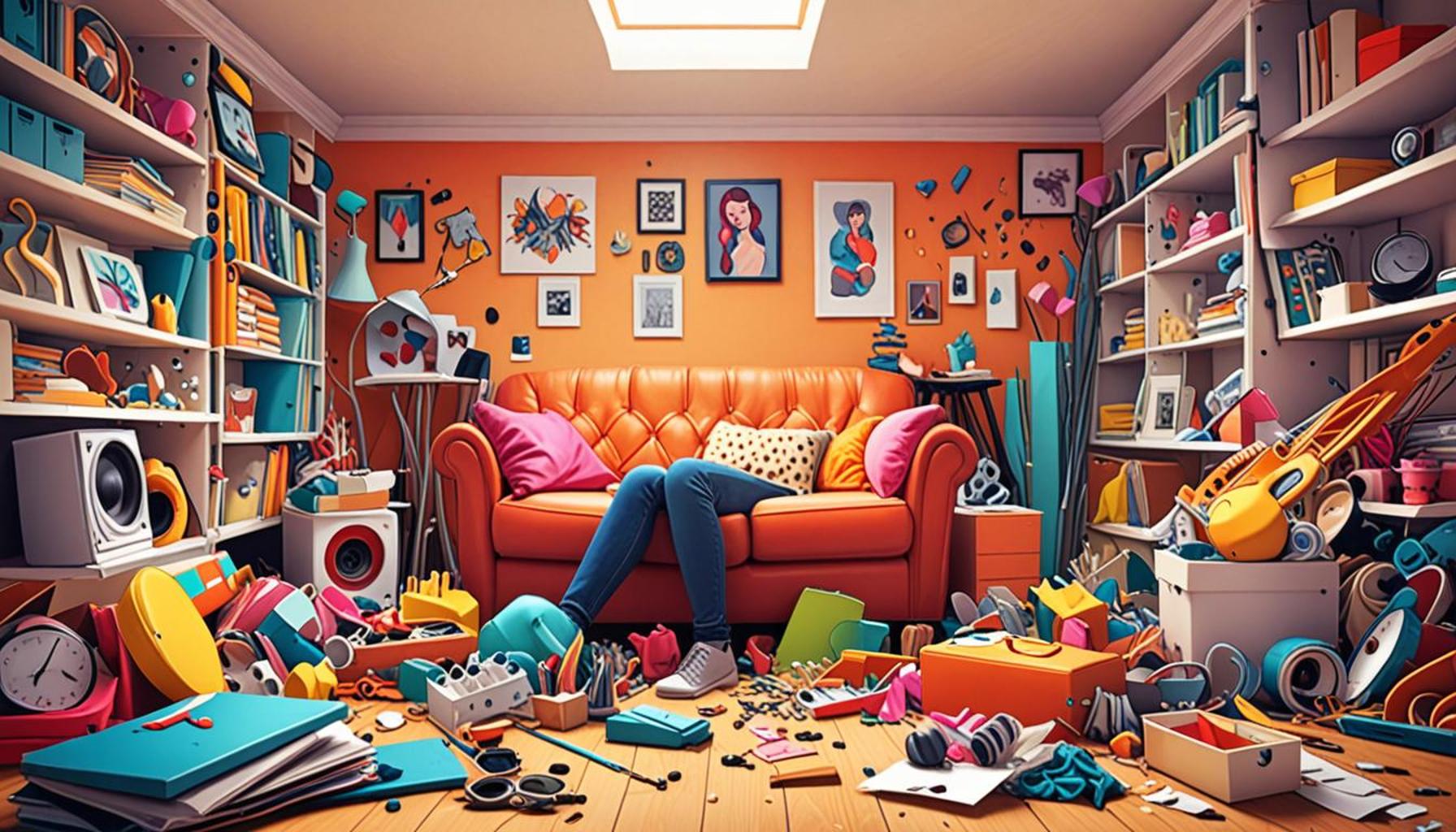
Clutter isn’t just a physical phenomenon; it holds a psychological weight that shapes our everyday lives. Our belongings often reflect more than just personal taste; they embody memories, emotions, and identity. For many, every item in their home tells a story—be it a family heirloom, a trinket from a vacation, or even the twice-baked casserole dish that hasn’t seen the oven in years. The deeper we delve into the psychology of our attachments to these objects, the clearer it becomes how they influence our behavior and mindset.
The impact of clutter can manifest in various ways, including:
- Stress and Anxiety: A chaotic environment can lead to feelings of overwhelm. According to a study conducted by the Princeton University Neuroscience Institute, an excess of visual stimuli can distract us, leading to increased stress levels.
- Decision Fatigue: Too many items can make even simple choices feel daunting. Having to wade through clutter to find what you need can drain your mental energy, leaving you fatigued before bigger decisions even come into play.
- Attachment Issues: Sentimental objects can create a reluctance to declutter. Objects that remind us of loved ones or pivotal moments can carry emotional weight that makes it hard to part with them, causing an accumulation of items that no longer serve a practical purpose.
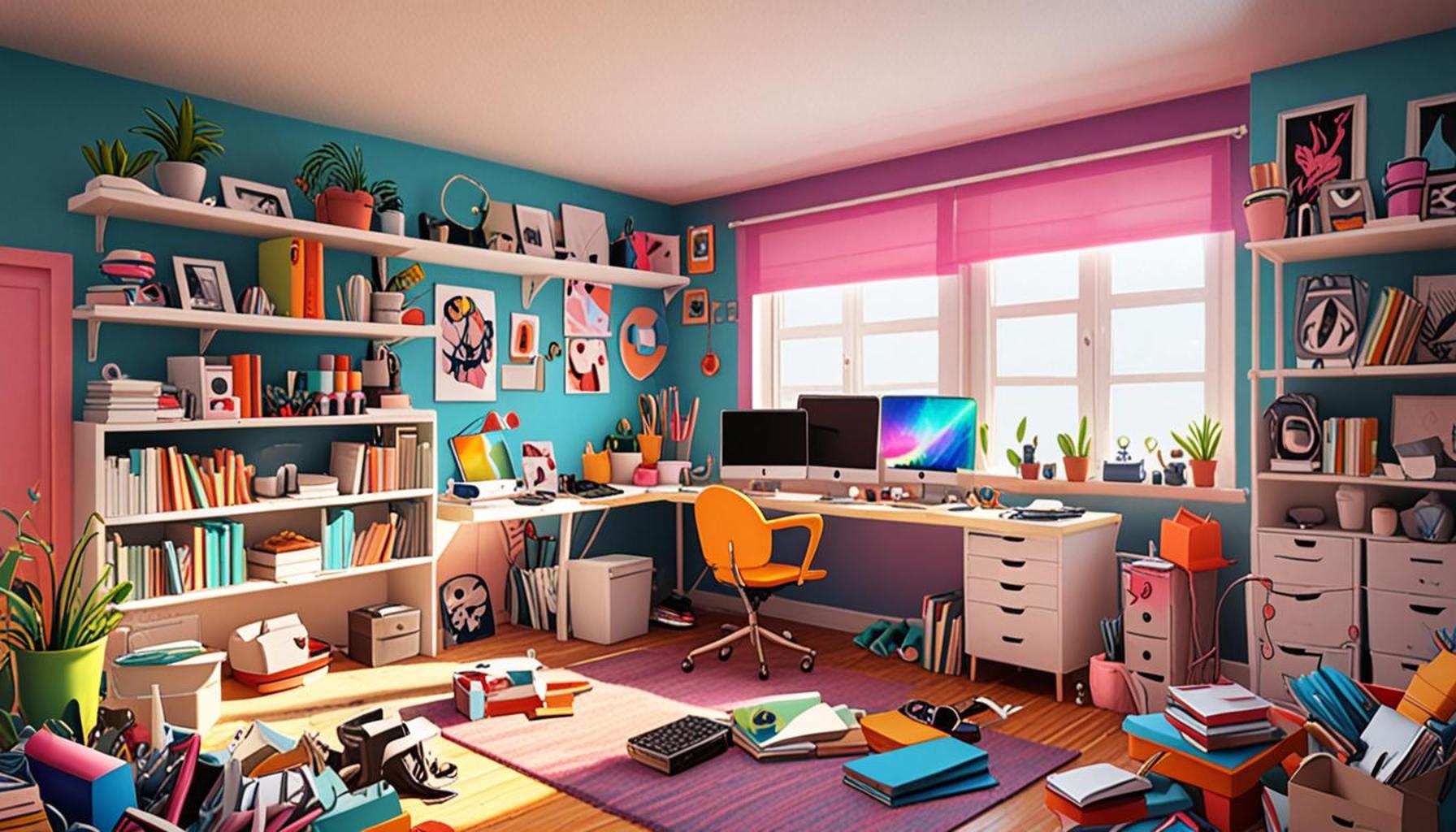
Psychologists suggest that our connections to objects not only influence our emotional well-being but also our productivity and motivation. For instance, the state of our living or working spaces can affect our concentration levels. A clean, organized workspace can enhance focus and creativity, while a cluttered desk can inadvertently lead to procrastination and distraction.
Recognizing the emotional underpinnings of clutter can help us develop more effective organization strategies. Techniques such as the KonMari Method, which encourages individuals to only keep items that “spark joy,” and implementing minimalist principles can create a more harmonious living environment. By simply re-evaluating the significance of our possessions, we can better align our spaces with our values and desired lifestyles.
As we explore the psychology behind clutter, we will uncover how this understanding can lead to healthier relationships with our possessions and enhancements in our living spaces. The organizational philosophy of many Americans has shifted toward sustainability and mindfulness. For example, embracing secondhand shopping or minimalist living can foster a greater appreciation for our fewer belongings.
Prepare to delve into the complexities of how our environment shapes our minds and discover practical solutions to reclaim order in our lives. Consider asking yourself: What do your possessions say about you? And how might a more thoughtful approach to organization change not just your home, but your overall outlook on life?
LEARN MORE: Click here to discover the key to a clutter-free home
The Emotional Attachment to Our Belongings
Our relationship with material possessions often intertwines with our sense of self and identity. Many individuals might not realize the profound emotional connections they develop with their belongings. From collectibles that evoke nostalgia to furniture inherited from family members, our items can represent significant emotional milestones. Knowing this, we must consider how these attachments shape our interactions with the clutter around us.
For instance, a study by the University of California revealed that individuals tend to view sentimental objects as extensions of themselves, which can lead to difficulty in letting go. This phenomenon is often termed the “endowment effect,” where people attribute more value to things simply because they own them. Consequently, decluttering becomes a psychological struggle, as parting with an object can feel akin to severing a connection with a part of one’s identity.
Moreover, the sentimentality surrounding objects significantly contributes to a cluttered environment. Common causes of such emotional accumulation include:
- Guilt: Items given by loved ones may carry the burden of obligation. Many feel compelled to keep these possessions out of fear of disappointing the giver, even if the item holds little personal value.
- Fear of Forgetting: Objects tied to memories or important life events can amplify the fear of losing touch with the past. As a result, individuals hold onto items not for their utility but for emotional security.
- Identity Representation: Possessions can serve as badges of identity, reflecting personal beliefs, hobbies, or milestones. Avid book collectors might retain every book acquired, not only for enjoyment but also as a testament to their passion for literature.
These emotional ties make the act of decluttering a profound challenge. The psychological landscape of our homes can have direct implications on our mental clarity and productivity. When overwhelmed by clutter, it becomes harder to focus, as the visual distractions vie for our attention. A study published in the Journal of Environmental Psychology indicated that individuals working in disordered environments report lower levels of satisfaction and higher levels of stress, underscoring the impact of clutter on mental health.
To combat this emotional attachment and cultivate a healthier relationship with our belongings, it is essential to undertake a mindful approach to decluttering and organization. Techniques that promote self-reflection can facilitate this process. For instance, ask yourself: Does this item bring me joy? Am I keeping it out of obligation or genuine appreciation? Embracing these questions can shine a light on what is truly valuable to us.
By understanding the psychology behind our attachments, we can adjust our strategies for decluttering, paving the way for more insightful relationships with our spaces and our possessions.
The Psychology of Clutter: Understanding Our Relationships with Objects and the Impact on Organization
As we delve deeper into the psychology of clutter, it becomes evident that our relationships with objects extend beyond mere functionality. The process of accumulating, organizing, and sometimes hoarding items often reflects deeper emotional and psychological factors. Understanding these relationships can significantly affect our approach to organization.
Many individuals develop attachments to objects due to nostalgia, memories, or perceived value. For instance, items left from childhood or gifts from loved ones may represent significant emotional ties. This emotional baggage often leads to a reluctance to part with items that do not serve a practical purpose in our lives. Research indicates that sentimental clutter can weigh heavily on mental health, causing anxiety and stress.
Moreover, clutter can also serve as a coping mechanism for various psychological issues. In some cases, individuals may accumulate excessive belongings as a way to fill emotional voids or to exert control over their surroundings. This is particularly prevalent in conditions such as hoarding disorder, where the inability to discard items can hinder one’s quality of life.
In contrast, embracing minimalism has emerged as a powerful approach for many seeking a clearer state of mind and a more organized living space. By purposefully curating their belongings, individuals can foster mental clarity and create environments that promote productivity and peace.
The impact of clutter extends beyond personal spaces; it shapes our social interactions and perceptions. Cluttered environments can create barriers in relationships, as guests may feel uncomfortable in disorganized spaces. Understanding this dynamic can encourage individuals to reassess their surroundings, leading to improved personal and social well-being.
Ultimately, examining the psychology behind our attachments to objects can shed light on the challenges we face in maintaining order. By recognizing the emotional ties and psychological motivations, individuals can work towards creating a more organized and fulfilling environment, paving the way for emotional freedom and enhanced productivity.
| Category | Advantages |
|---|---|
| Emotional Clarity | Reduces anxiety linked to clutter and promotes mental health. |
| Increased Productivity | A streamlined environment aids in better focus and efficiency. |
Through this exploration, it becomes clear that addressing clutter is not merely about organization—it is an integral part of understanding ourselves and enhancing our lives. By navigating our relationships with objects, we can unlock a path to greater emotional freedom and efficiency.
DISCOVER MORE: Click here to enhance your space
The Psychological Roots of Clutter Accumulation
Understanding the emotional attachment to our belongings provides valuable insight, but delving deeper into the psychological roots of clutter accumulation reveals even more about why we cling to these objects. Our behavioral patterns regarding possessions stem from a complex interplay of psychological factors that can often dictate our ability to maintain an organized environment.
One prominent factor is the fear of loss. This fear manifests in various ways, such as the anxiety of discarding items with the potential for future regret. Cognitive-behavioral studies suggest that people may end up accumulating clutter because they are convinced that the items, however trivial, may have some utility down the line. This hoarding mentality, classified as a recognized psychological condition, illustrates the struggle many face between the value of space and the perceived value of objects.
The need for control in an unpredictable world also plays a vital role in clutter accumulation. For many, holding onto possessions offers a false sense of stability amid life’s uncertainties. By curating an extensive collection of items, swept up in thoughts of “just in case,” individuals attempt to gain control over their environment. As a consequence, the accumulation of these items can create an overwhelming sense of chaos, often leading to the very disorder they wished to avoid.
Additionally, societal and cultural influences contribute significantly to our relationship with clutter. In contemporary American society, consumerism is deeply ingrained in the collective consciousness. Marketing messages encourage the accumulation of goods, promising happiness and fulfillment through possessions. This narrative leads many to equate worth with material goods, where clutter transforms into a symbol of prosperity. According to a survey by the International Journal of Consumer Studies, over 70% of Americans feel pressured to keep up with trends, fostering a cycle of accumulation that feeds disorganization.
Moreover, another interesting psychological aspect is our propensity to fill voids in our lives. According to psychologists, we often surround ourselves with objects as a way to fill emotional gaps—be it loneliness, loss, or a lack of purpose. When people feel unanchored, the collection of objects can become a form of self-soothing, giving them an illusion of connection and comfort.
Personality traits also play an essential role in how people interact with their belongings. Research indicates that individuals identified as “highly conscientious” tend to fare better in maintaining organization than their “low conscientious” counterparts. Recognizing this variation in personality can pave the way for tailored organizational strategies. For instance, while a meticulous planner may thrive on rigid structures, a more spontaneous individual might benefit from creative and flexible approaches to organization.
Addressing the psychology behind clutter accumulation allows us to approach organization from a fresh perspective. We are not merely dealing with a physical space but engaging with a complex emotional interplay that defines how and why we let possessions take up space in our lives. Recognizing these intricacies can empower individuals to tackle their unique challenges with clutter effectively, ultimately leading to a healthier living environment.
DIVE DEEPER: Click here to discover how simplicity can boost your productivity
Conclusion: Embracing the Complexity of Clutter
In today’s fast-paced world, understanding the psychology of clutter is paramount to unraveling the complex relationship we have with our belongings. By unpacking the emotional connections, fears, and societal pressures that drive clutter accumulation, we gain valuable insights into the underlying motivations for retaining unnecessary items. This awareness not only illuminates our personal struggles but also encourages a thoughtful approach to organization and decluttering.
As we explored, factors such as the fear of loss, a desire for control, and the influence of consumerism shape our behaviors toward possessions. The understanding that our surroundings can reflect deeper psychological states—be it a desire for stability or a response to emotional voids—opens doors to new strategies for managing clutter. This multifaceted view invites us to reassess our commitments to material goods and prioritize our mental well-being over mere accumulation.
Moreover, recognizing our unique personality traits allows for tailored organizational solutions that suit individual needs. What resonates with a highly conscientious person may differ vastly from what would benefit someone naturally inclined to spontaneity. By embracing this diversity in approaches, we can foster environments that not only support organization but also enhance our emotional health.
In conclusion, addressing clutter goes beyond mere tidiness; it is a profound journey into self-discovery and emotional resilience. By cultivating an intentional relationship with our possessions and comprehending their impact on our lives, we create not just organized spaces, but harmonious ones that promote clarity, peace, and overall well-being. As we navigate our cluttered landscapes, let us engage in thoughtful reflection and responsible decision-making that truly resonates with our values and aspirations.