The Role of Minimalist Spatial Design in Creating Effective and Inspiring Study Environments
The Impact of Minimalist Spatial Design on Learning
In an age where distractions are just a swipe or click away, the importance of thoughtful spatial design in study environments cannot be overstated. Minimalist spatial design not only enhances the aesthetic appeal of a room but significantly influences how effectively individuals can focus, learn, and retain information.
At the core of minimalist design is the principle of simplicity. By stripping away unnecessary clutter, these environments encourage users to concentrate on what truly matters: their studies. The incorporation of a neutral color palette plays a crucial role in setting a serene atmosphere. Soft hues like beige, light gray, and pastel shades can evoke a sense of calm and reduce visual noise, making it easier for learners to absorb information.
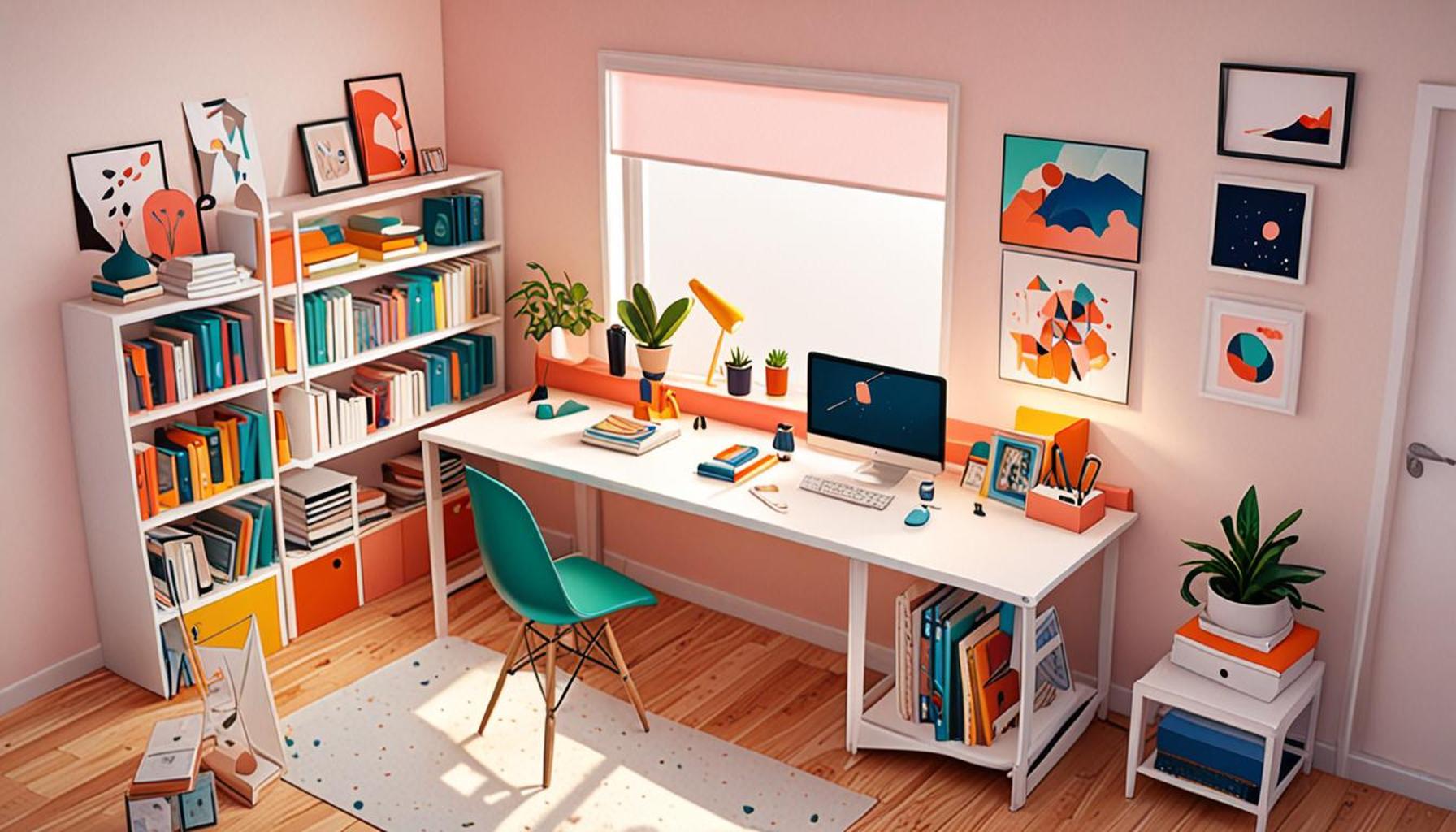
Additionally, the use of functional furniture is essential in minimalist spaces. For instance, using a desk that doubles as a storage unit can help keep materials organized while maintaining a clean workspace. Innovations like collapsible chairs or convertible desks allow for flexibility, catering to varied preferences and maximizing the usage of a limited area. This adaptable approach not only fosters a practical setup but also encourages a dynamic learning experience.
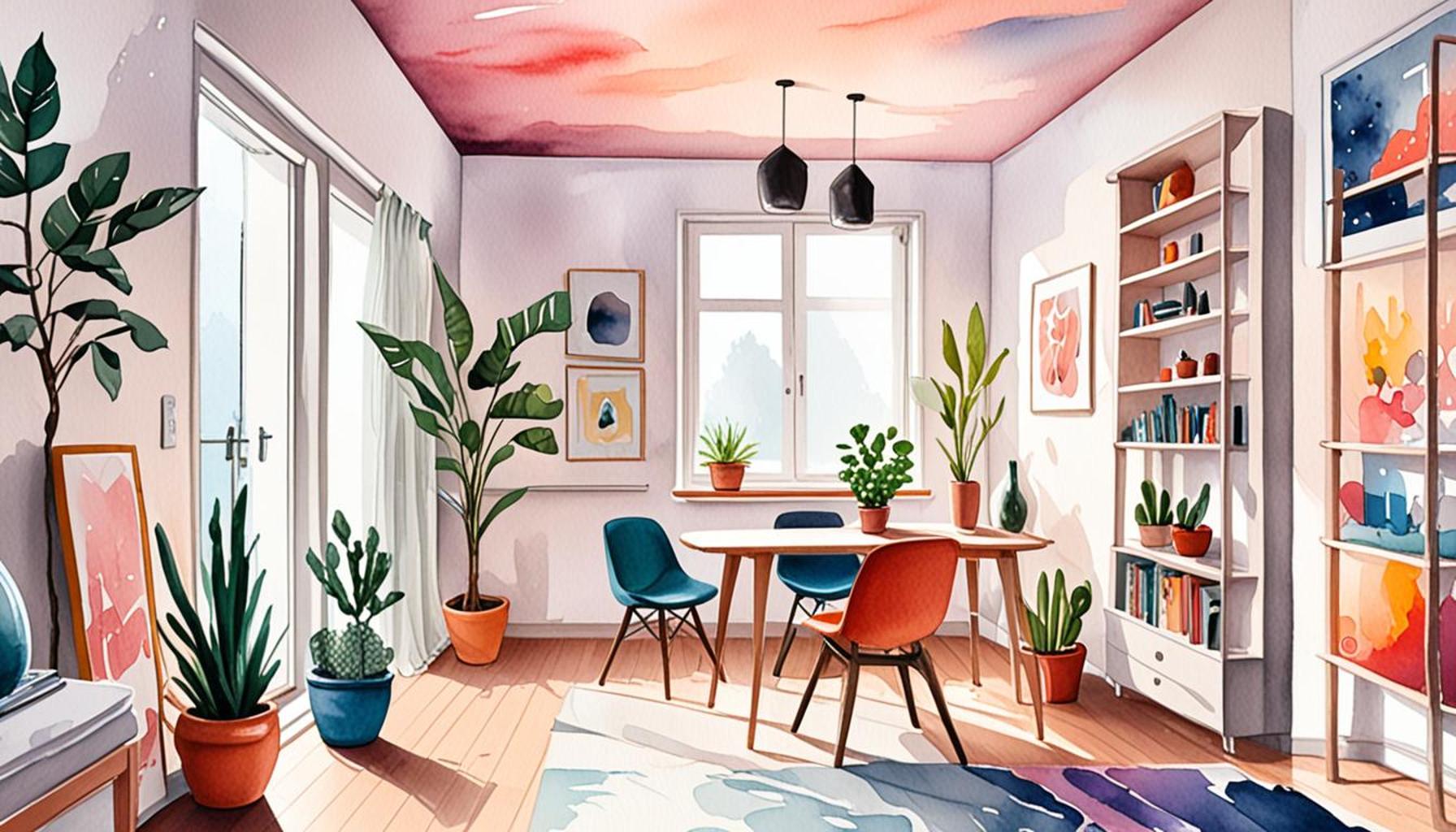
Natural lighting is another cornerstone of effective minimalist design. Research indicates that exposure to natural light can enhance mood and improve concentration. Windows that allow in sunlight not only create an inviting environment but also reduce the reliance on artificial lighting, which can often lead to eye strain. Incorporating plants into the design, leveraging their calming green tones and air-purifying qualities, can further harmonize the environment.
Scientific Backing: Benefits of a Clutter-Free Environment
Growing evidence suggests that a clutter-free environment leads to a multitude of cognitive benefits. Research has shown that individuals studying in organized spaces exhibit improved concentration and a greater capacity for retention. This is particularly crucial for students navigating complex subjects where focus is paramount.
Moreover, such environments can spark higher levels of creativity and inspiration. In a minimalist space, learners can think freely without the weight of excess baggage—both literally and metaphorically. This freedom of thought often translates into innovative ideas and solutions. Additionally, as stress levels decrease in such tranquil environments, individuals tend to engage more deeply with their work, making the study sessions much more productive.
As we delve deeper into understanding the role of minimalist design in study environments, the evidence becomes compelling: environments tailored for simplicity can reshape our educational landscape. By taking charge of our learning spaces, we can unlock new levels of focus, creativity, and overall well-being. With the knowledge of these benefits, individuals—from students to educators—are encouraged to reevaluate and transform their surroundings to promote better learning outcomes.
DISCOVER MORE: Click here to enhance your space and mindset
Enhancing Focus and Creativity Through Strategic Design
Minimalist spatial design is more than just a style; it is a transformative tool that can significantly influence the effectiveness and inspiration found within study environments. By prioritizing essential elements and eliminating unnecessary distractions, minimalist spaces help cultivate an atmosphere conducive to deep learning and creativity.
One of the foundational aspects of minimalist design is the intentional arrangement of space and layout. Open floor plans that allow for flexible movement can enhance the learning experience by providing ample room for thought and interaction. This allows learners to explore different study methods, whether that means using a desk for solitary work or gathering in groups for collaborative projects. When learners can engage with their environments more freely, creativity flourishes, leading to enhanced problem-solving abilities.
Incorporating technology within these minimal spaces can also play a vital role. Integrating tools such as smartboards or projectors allows for multi-dimensional learning without overwhelming the space. By selecting technology that aligns with the minimalist ethos—such as streamlined devices and wireless solutions—educators and students alike can focus on the task at hand instead of navigating cluttered setups.
Moreover, the choice of materials is critical in a minimalist study environment. Natural materials, such as wood and stone, evoke a sense of warmth and connection to nature, promoting tranquility. The juxtaposition of these materials against a backdrop of clean lines and simple shapes can further enhance focus. For example, a wooden desk with a smooth surface provides an inviting area to write or type, while sleek shelving systems can maintain organization without sacrificing design integrity.
- Reduced Stress: The simplicity of minimalist design helps to alleviate anxiety, allowing students to concentrate on their studies.
- Enhanced Clarity: Clear visual paths aid in understanding complex concepts better by minimizing distractions.
- Functional Aesthetics: Minimalist spaces often marry form and function, creating an environment that feels both modern and useful.
Light plays a crucial role in shaping the nature of a study environment. Natural light has been shown to improve mood and mental acuity. Large windows or skylights that flood a space with sunlight not only enhance motivation but also create a pleasant ambiance that supports sustained attention—which is essential for effective learning. This element of design not only brightens rooms but also promotes well-being among users, making study periods more enjoyable and productive.
As educators and students begin to understand the significance of minimalist spatial design, the implications for academic success become clear. By selecting environments that prioritize clarity, functionality, and aesthetics, scholars can enhance their cognitive performance and creativity, paving the way for a more inspired educational journey. The future of study environments lies in the commitment to creating spaces that truly serve their users, simplifying rather than complicating the learning process.
The Role of Minimalist Spatial Design in Creating Effective and Inspiring Study Environments
Minimalist spatial design holds a pivotal place in establishing study environments that enhance focus and creativity. By eliminating visual clutter, minimalist environments allow individuals to direct their attention toward learning tasks, reduce distractions, and foster greater cognitive engagement. The principles of simplicity and functionalism serve as guiding pillars, which can be observed in various educational settings—from libraries to personal study spaces.One of the prominent aspects of minimalist design is the strategic use of color. Neutral palettes, coupled with occasional splashes of inspiring tones, can create an inviting atmosphere conducive to study. For instance, shades of white or soft pastels can promote tranquility, while brighter colors can be utilized to stimulate creativity and motivation. The placement of natural light is another critical consideration; large windows and unobstructed views not only enhance aesthetic appeal but also improve mood and productivity levels. Furthermore, furniture selection reflects the minimalist ethos. Items such as sleek desks and ergonomic chairs minimize discomfort and enhance concentration without overwhelming the space. Accessories are minimized but carefully chosen, ensuring each piece serves a functional purpose, whether it’s a bookshelf organizing texts or a desk lamp providing adequate lighting. In essence, the thoughtful implementation of minimalist design principles can dramatically influence the effectiveness of study environments. It fosters not just better concentration and productivity, but also emotional well-being, making it an area ripe for further exploration and understanding.
| Category 1 | Category 2 |
|---|---|
| Focused Environment | Minimal distractions promote concentration. |
| Aesthetic Appeal | Visual simplicity enhances mood and inspiration. |
This understanding invites further discussion on how these design principles can be incorporated into both traditional and contemporary educational contexts. Embracing a minimalist approach is not merely a design choice; it reflects a profound respect for the learning process and the individual needs of students. With ongoing advancements in design and educational practices, there is a wealth of opportunities to explore in creating inspiring study environments.
DISCOVER MORE: Click here to learn how to streamline your workspace
Creating Spaces that Promote Well-Being and Collaboration
The role of minimalist spatial design extends beyond enhancing focus and creativity; it also plays a significant part in fostering well-being and collaboration among students and educators in study environments. A well-organized space that embraces simplicity can contribute to an overall sense of community, emphasizing interpersonal relationships and shared experiences.
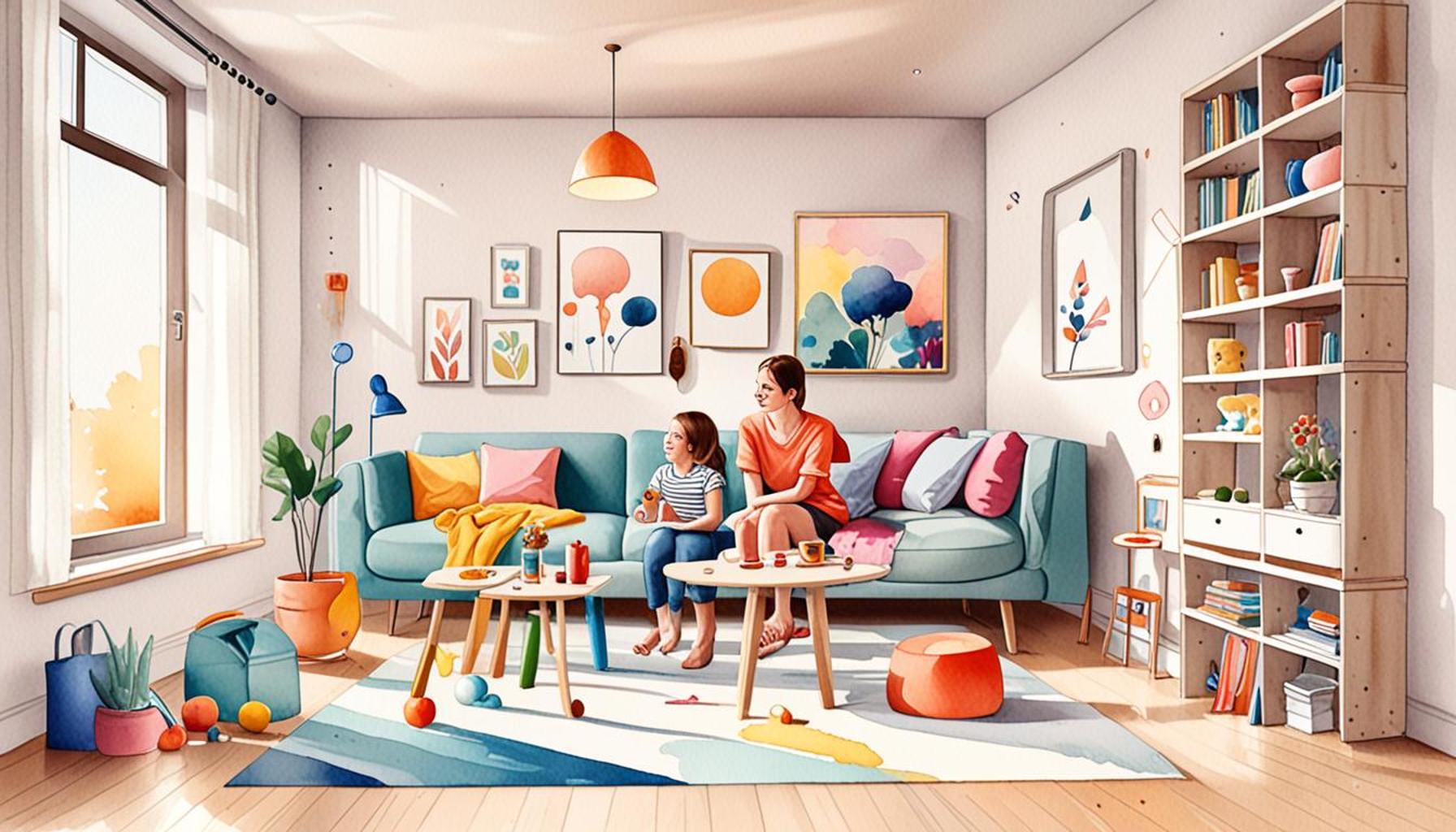
One of the key components to achieving this collaborative spirit is the flexibility of furniture. Lightweight and modular furniture options allow for easy reconfiguration of study areas. For instance, movable tables and stackable chairs can transform a quiet reading nook into a lively group workspace in an instant. Environments such as these encourage students to interact, discuss, and share ideas, leading to enhanced teamwork and the exchange of diverse perspectives. Research shows that collaborative learning environments significantly improve critical thinking and problem-solving skills, making the design choices pivotal for academic success.
The strategic incorporation of biophilic design elements, which emphasize connection to nature, can also be a game-changer in minimalist study areas. By integrating plants, green walls, or even natural elements like stones and water features, these designs not only beautify spaces but also improve air quality and increase feelings of tranquility. A recent study by the University of Melbourne found that incorporating elements of nature in design can enhance cognitive function and creativity. This implies that the very foundations of minimalist study environments can be fortified by tapping into our innate connection to nature.
Lighting, in addition to its functional role, can significantly influence both mood and energy levels. Ambient lighting, in combination with adjustable task lighting, ensures that students can tailor their environments based on their working preferences and energy requirements. Well-lit spaces encourage alertness, while softer lighting can create a relaxing atmosphere for reflection and mental breaks. Moreover, using programmable lighting solutions further heightens adaptability by enabling users to switch between different moods, all within a minimalist framework.
Sustainability is also increasingly becoming a priority for many educational institutions. Implementing eco-friendly materials and energy-efficient solutions as part of the minimalist design philosophy contributes to long-term environmental benefits. Utilizing reclaimed wood, recycled metals, and energy-efficient appliances not only reflect a commitment to sustainable practices but also create an emotionally fulfilling environment for students who are mindful of their ecological footprint. This approach does not merely serve aesthetic or functional purposes; it cultivates a sense of shared responsibility among learners.
- Promotes Healthy Relationships: Spaces designed for collaboration naturally encourage communication and connections amongst peers.
- Adaptive Spaces: Flexibility in design allows spaces to be tailored for various learning activities, enhancing user experience.
- Sustainability Matters: Incorporating eco-friendly materials adds value, resonating with socially conscious students.
As we delve deeper into the implications of minimalist spatial design, it becomes increasingly apparent that the choices made in creating study environments have profound effects. Through informed design practices, we can redefine educational spaces to improve not just academic performance but also emotional well-being and social relationships. By continuing to explore and implement these principles, institutions can strive to create environments that are not only functional but truly inspiring.
DISCOVER MORE: Click here to enhance your time management
Conclusion: A Transformative Approach to Learning Spaces
In conclusion, the role of minimalist spatial design in creating effective and inspiring study environments is undeniably transformative. By embracing simplicity and intentionality in design, educational institutions can cultivate spaces that foster concentration, creativity, and collaboration among students. The elements we discussed—from flexible furniture arrangements to the integration of biophilic design, effective lighting, and sustainable materials—demonstrate a clear commitment to enhancing both the physical and emotional well-being of learners.
As we consider the long-term implications of our educational environments, it becomes essential to prioritize design that not only meets functional needs but also resonates with students’ aspirations for community and ecological mindfulness. The adoption of eco-friendly materials, for instance, not only supports sustainability but also instills a sense of responsibility within students, encouraging them to be conscious of their impact on the planet.
Institutions that thoughtfully apply these principles are not merely constructing study areas; they are creating environments that inspire innovation, stimulate collaboration, and empower learners to engage deeply with their educational journeys. It’s clear that as we move forward, engaging in a holistic approach to minimalist spatial design will not only redefine study spaces but also influence broader educational outcomes. Therefore, educators, architects, and designers must continue to explore and innovate, balancing minimalism with functional and inspirational elements, paving the way for a new era in learning landscapes.